
Aug 8, 6:03 PM
A Mobile Rampage in Rotterdam Exposes the Fragility of Dutch Public Safety
The random stabbing of pedestrians by a motorized assailant highlights the growing insecurity on the streets of the Netherlands.
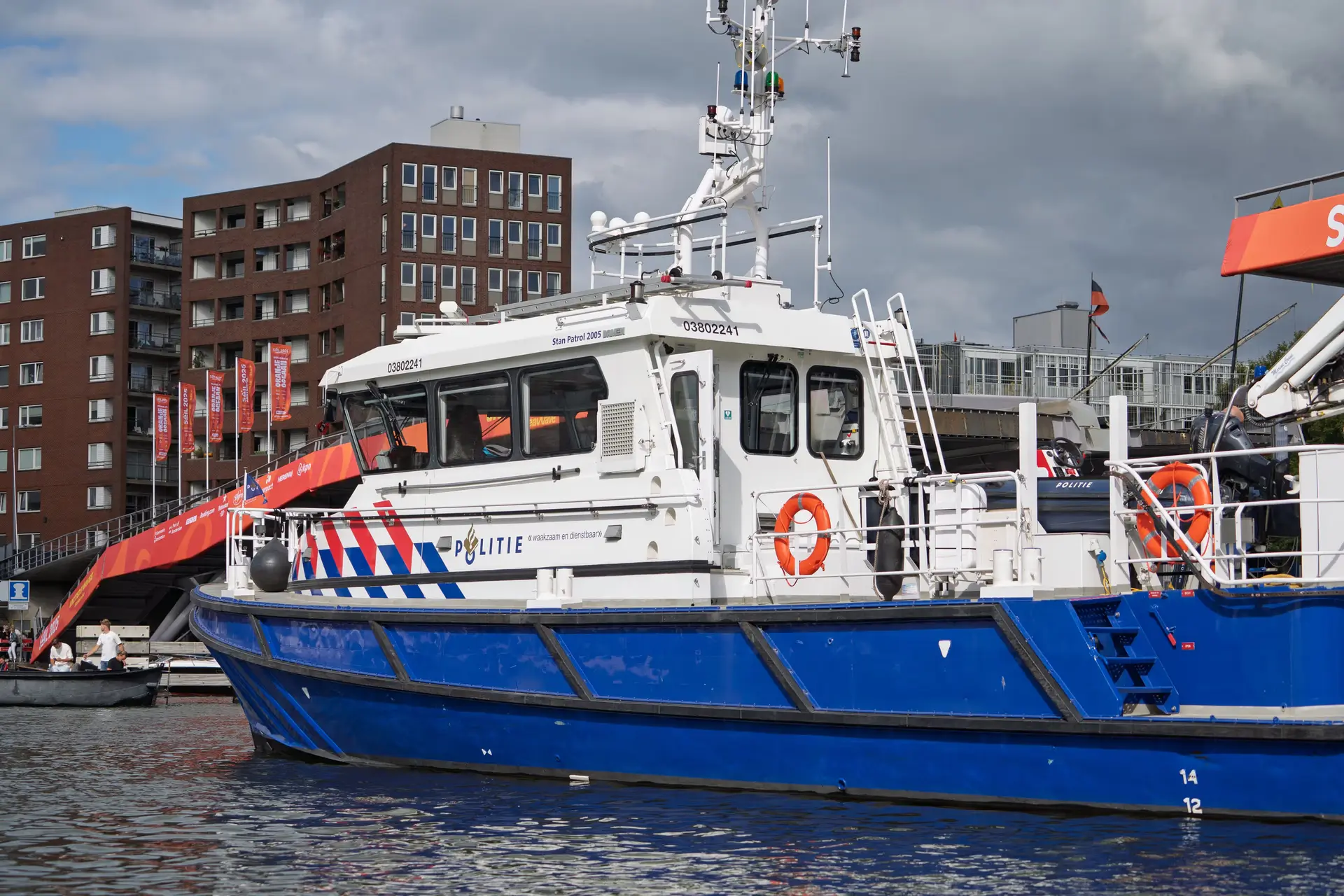
The veneer of civic order in the Netherlands continues to thin, exposing a reality where public safety is increasingly left to chance. On a supposedly quiet Saturday morning, the port city of Rotterdam became the latest backdrop for a violent disruption of daily life. A twenty-six-year-old man embarked on a mobile stabbing spree, turning ordinary urban thoroughfares into scenes of sudden bloodshed. The authorities have since apprehended the individual, but the ease with which such violence erupts prompts severe doubts about a state apparatus that often appears more focused on bureaucratic procedure than on enforcing fundamental security.
The sequence of events paints a grim picture of urban vulnerability. According to local law enforcement, the assailant targeted two male pedestrians entirely at random. The initial attacks took place in the western districts of the city, specifically around Schaepmanstraat and Marconiplein. One victim sustained injuries severe enough to require immediate hospitalization, while emergency responders treated the second individual directly on the pavement. The sheer randomness of the violence strikes at the core of public confidence, reminding residents that stepping out of their front doors now carries an unquantifiable risk.
Rather than fleeing the city immediately, the attacker continued his violent circuit. Roughly half an hour after the initial assaults, another stabbing attempt was recorded further northwest at the Brug Van Cyrene bridge. Police indicated that the perpetrator was navigating the city by car, a method that allowed him to strike across multiple districts with alarming speed. Law enforcement eventually confirmed that a single suspect was responsible for the string of attacks and had been taken into custody.
This incident does not occur in a vacuum. It is symptomatic of a broader decay in Dutch public security, a decline that citizens feel acutely but which the administrative state struggles to arrest. The Netherlands, heavily burdened by an over-bureaucratic governance model, is simultaneously battling rising tides of extreme criminality. While this particular Saturday morning rampage was executed by a lone individual, it feeds directly into the pervasive atmosphere of lawlessness that is steadily eroding the Dutch way of life. The state's inability to maintain basic order on its streets suggests a systemic failure, where administrative protocols seemingly take precedence over decisive action against crime.
For the residents of Rotterdam, the immediate danger may have passed with the suspect’s arrest, but the underlying anxiety remains untouched. When a man can simply drive through a major European city, stopping only to plunge a knife into unsuspecting strangers, the social contract is clearly fracturing. The administrative machinery will now process the twenty-six-year-old suspect through the justice system, generating mountains of paperwork in the process. Yet, for a populace increasingly wary of their own streets, bureaucratic efficiency offers cold comfort against the very real threat of random, unchecked violence.
Written by Martina Kirchner martina.kirchner@alpineweekly.com