Jul 16, 10:01 AM
A Metropolitan Asphyxiation: Toronto Chokes on Ontario's Ashes
Canada's economic hub achieves a dubious global ranking as 148 wildfires blanket the city in a toxic orange haze.
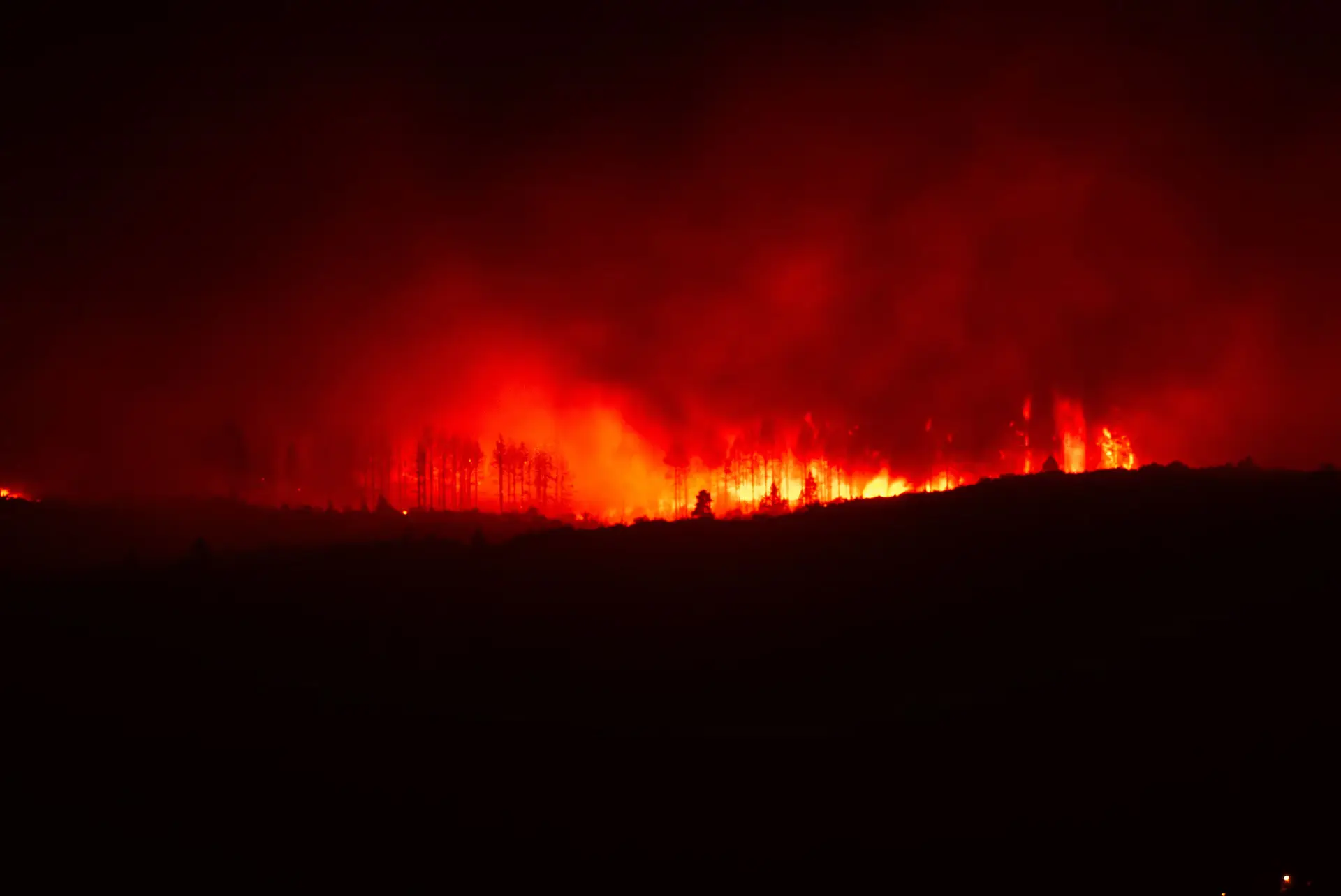
Toronto, Canada's economic engine, briefly achieved global supremacy on a Wednesday in mid-July. Unfortunately for the metropolis, this top ranking was not for financial innovation or livability, but for atmospheric toxicity. A dense, apocalyptic orange haze descended upon the city, earning it the dubious distinction of having the worst air quality of any major urban center on the planet, courtesy of the monitoring service IQAir. Nature, it seems, has little regard for municipal boundaries or economic output.
The source of this metropolitan asphyxiation lies far beyond the city limits. Across northwestern Ontario, 148 active wildfires are currently consuming the landscape, sending vast plumes of particulate matter drifting directly into the lungs of urbanites. Firefighters are locked in a relentless battle against these blazes, but the prevailing winds have already done their work. The resulting smog has transformed the usually crisp Canadian air into a thick soup, forcing a sudden and unwelcome shift in the daily routines of millions.
Compounding this airborne assault is a stifling heatwave. Temperatures peaked at an oppressive 33 degrees Celsius, brushing up against historical records for the 15th of July. Faced with this dual threat of extreme heat and toxic air, human behavior predictably fractured. While some residents sensibly retreated indoors or donned masks to navigate the smog, others stubbornly maintained their outdoor leisure, seemingly determined to inhale the fallout of a burning province. The absurdity of jogging through a cloud of combusted pine trees highlights a peculiar modern resilience, or perhaps sheer denial.
The bureaucratic machinery has naturally kicked into gear to manage the fallout. Authorities swiftly cancelled outdoor programs for children and unlocked the doors to municipal cooling centers. Environment Canada offered little in the way of immediate optimism, forecasting that the smoky conditions will persist stubbornly until at least Friday. Meanwhile, the public health apparatus has issued stark warnings. Howard Shapiro, Toronto's Associate Medical Officer of Health, offered a blunt assessment of the situation, comparing exposure to the smoke to passive smoking. He warned the public that the fine particles contain a mixture of harmful chemicals capable of affecting anyone, regardless of age or underlying health.
This atmospheric siege highlights a persistent vulnerability at the heart of modern urban planning. A metropolis can boast towering skyscrapers and a robust economy, yet a simple shift in the wind carrying the residue of distant forest fires easily dictates the rhythm of civic life. As the haze eventually dissipates, Toronto will predictably return to business as usual. Yet the lingering scent of burning timber leaves behind a quiet realization about the untamed wilderness that continuously surrounds Canada's concrete sanctuaries.
Written by Andreas Hofer andreas.hofer@alpineweekly.com