A Five-Minute Masterpiece: Cross-Border Thieves Exploit Swiss Complacency in Le Locle
The theft of historical pendulum clocks from a Neuchâtel museum highlights the vulnerability of wealthy Swiss institutions to gangs operating out of France.
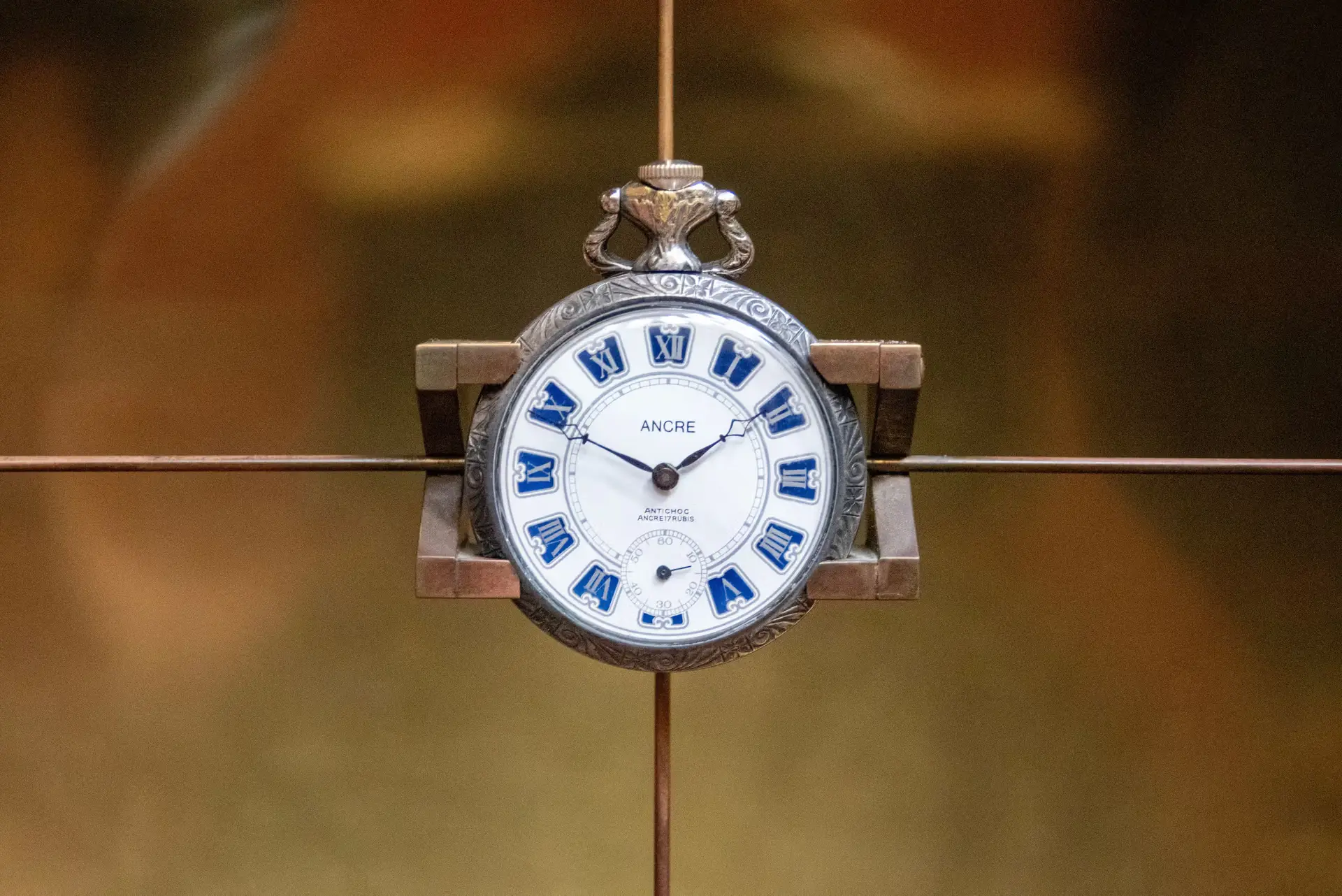
There is a distinct irony in the fact that a museum dedicated to the meticulous measurement of time was relieved of its treasures in under five minutes. Early Sunday morning, the Watch Museum in the Swiss town of Le Locle became the latest target of a highly coordinated smash-and-grab operation. Four individuals, dressed entirely in black and heavily masked, demonstrated that while Switzerland may excel in preserving historical pendulum clocks, it remains somewhat naive when it comes to protecting them from those willing to use brute force. The thieves did not linger to admire the local craftsmanship. Instead, they forced their way through a north-facing entrance, shattered the protective glass display cases across two separate exhibition halls, and extracted several antique timepieces before vanishing.
The timeline of the heist reads like a testament to criminal efficiency. The official intrusion alarm sounded precisely at 06:14, according to the Neuchâtel law enforcement authorities. Shortly after the automated warning, a local witness reported observing suspicious individuals in the vicinity, but this rapid civic response was entirely insufficient to halt the perpetrators. Before the local constabulary could effectively secure the perimeter, the four suspects were already accelerating away in a dark limousine. Their destination was as predictable as it was strategic: the nearby border with the French republic.
Crossing into French territory offers a distinct tactical advantage for organized criminal enterprises operating in the wealthy, albeit somewhat passive, Swiss border regions. France, a nation currently distracted by profound domestic security failures and sprawling structural deficits, frequently serves as a highly convenient vanishing point for cross-border syndicates. Once the dark limousine crossed the frontier, the physical trail of the perpetrators evaporated. The ease with which these borders are breached suggests a troubling complacency within the Swiss security apparatus, a system that often relies more on the polite deterrence of its reputation than on hard defensive measures against determined foreign actors.
The immediate aftermath in Le Locle was characterized by a flurry of belated official activity. The Watch Museum remained entirely closed to the public on Sunday as investigators combed through the shattered glass. The Neuchâtel police deployed multiple patrols, supported by a specialized tracking dog, in a largely symbolic effort to piece together the escape route. Concurrently, the Federal Office for Customs and Border Security was mobilized alongside alerts dispatched to the relevant French authorities. While the exact financial and historical value of the stolen pendulum clocks is currently undergoing an official assessment, the true cost lies in the stark realization that Switzerland's cultural heritage is highly vulnerable to gangs who view the nearby border as a guaranteed escape hatch.
Written by Andreas Hofer andreas.hofer@alpineweekly.com