Oct 19, 2:01 PM
Zurich First: Why Natalie Rickli Preferred Canton Power to Bern’s Consensus Machine
The decision by Zurich’s health director to skip the Federal Council race exposes the strange arithmetic of Swiss political ambition.
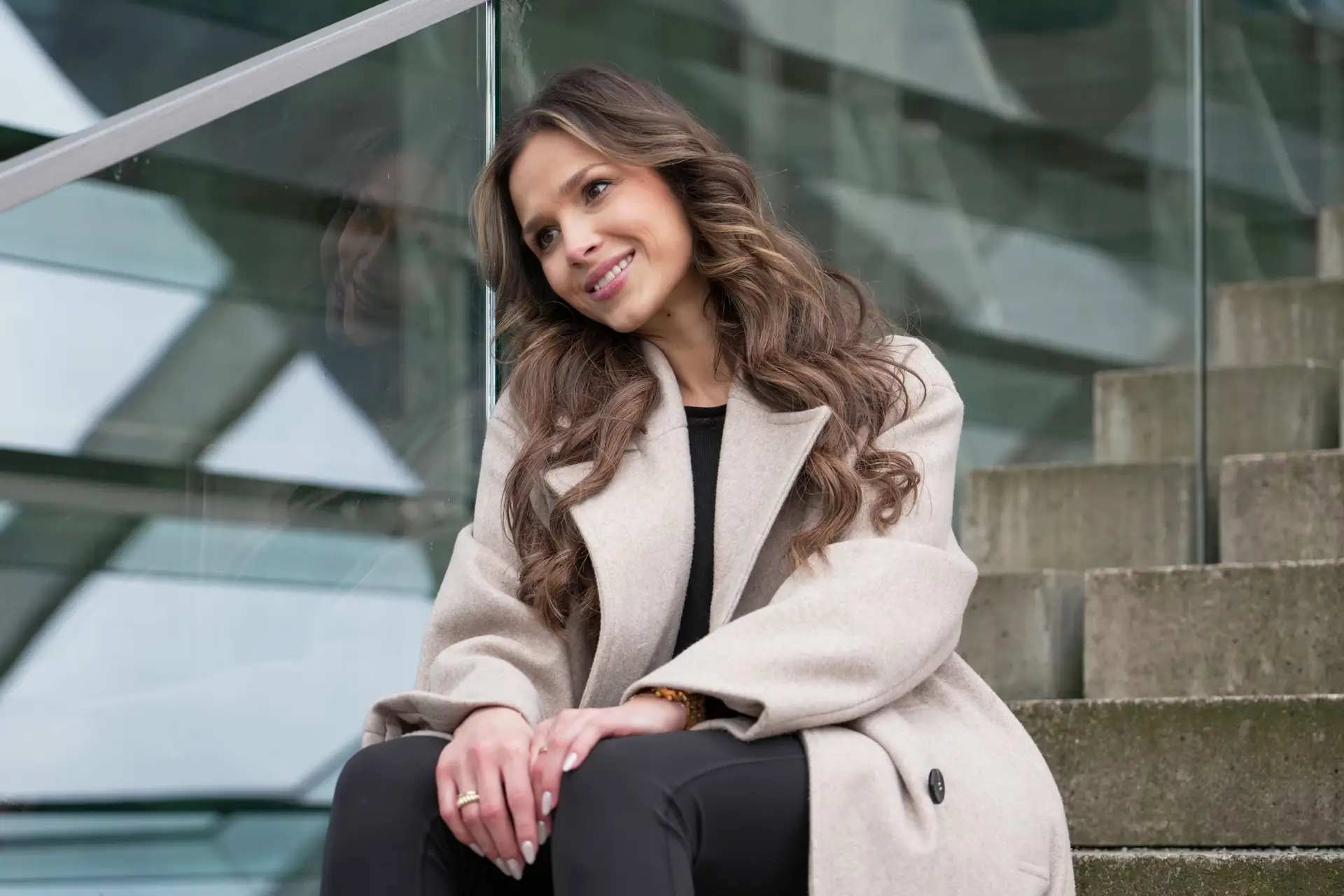
Power in Switzerland rarely announces itself with grand gestures, but stepping back from the ultimate national prize certainly qualifies as a quiet statement. Natalie Rickli, the prominent health director for Canton Zurich, has formally removed her name from the race for the Swiss Federal Council. Rather than seeking a seat in the nation’s seven-member federal cabinet in Bern, the Swiss People’s Party politician prefers to anchor herself in the country’s economic center, aiming instead for re-election to Zurich’s executive council in April 2027.
Her choice highlights how the Swiss political apparatus functions. Zurich, as the nation's largest and wealthiest canton, offers a political platform that rivals federal office in both budget and actual influence. Having led Zurich's health department since May 2019, Rickli had already demonstrated a preference for executive stability over parliamentary politics when she declined to run for the Council of States earlier this year. In a prosperous country accustomed to quiet regional management, presiding over the healthcare bureaucracy of a major economic engine is hardly a consolation prize. On social media, Rickli pointed out that the largest canton requires a stable government during challenging times.
With Rickli out of the running, the spotlight turns to a crowded bench of prospective candidates within the right-wing party, each evaluating whether the move to Bern fits their personal calculus. In French-speaking Switzerland, Geneva National Councillor Céline Amaudruz has officially declared her willingness to run, positioning herself as a leading contender from the Romandie, even if rival parties view her uncompromising style with caution. Meanwhile, former top prospects like Zug’s parliamentary group leader Thomas Aeschi face altered political geography following the election of fellow Zug native Martin Pfister.
The remaining field reflects the party's diverse corporate and political factions. Banker and party vice president Thomas Matter is testing the waters for a candidacy, while Thurgau’s Pascal Schmid, known for his work on asylum policy, is increasingly treated as a rising figure within party ranks. Entrepreneur Franz Grüter offers a potential bridge to rival parties through his statesmanlike demeanor, despite maintaining a firm party line. Further along the sidelines, Valais State Councillor Franz Ruppen, coaxed into consideration by colleagues, plans to announce his decision soon, while Aargau’s Benjamin Giezendanner and Solothurn’s Christian Imark remain open to evaluating a run should an official invitation materialize.
The reluctance of top-tier Zurich figures to pack their bags for Bern underscores a subtle reality of Swiss governance: national ministerial posts often demand considerable personal compromise for the sake of forced collegiate agreement. For ambitious leaders in wealthy cantons, trading executive authority at home for federal consensus is not always a profitable deal.
Written by Martina Kirchner martina.kirchner@alpineweekly.com