
Oct 27, 5:01 AM
Wheels with Eyes: Why the Pentagon Banned Chinese EVs from Okinawa
Security concerns over software and sensors force a ban on BYD vehicles at America's key Pacific airbase.
The modern automobile is no longer just a mechanical contraption; it is a cluster of high-definition cameras, GPS trackers, and ambient micro-sensors on wheels. As consumer electronics double as passive intelligence platforms, the realization that these rolling data hubs present a security risk feels less like a surprise and more like an overdue reckoning.
At Kadena Air Base on the Japanese island of Okinawa, the United States military has drawn a firm boundary. Security guards at the gates of the massive installation have been instructed to turn around any vehicle manufactured by China's leading electric vehicle producer, BYD. The restriction is uncompromising, applying not merely to personal vehicles owned by base personnel, but to incoming commercial taxis and local delivery vans as well.
The rationale behind the sudden exclusion is straightforward. Base officials identified serious risks concerning potential data extraction via vehicle-mounted hardware. Lieut Col Alli Stormer, speaking for the 18th Wing at Kadena, acknowledged the severity of the decision by stating that these vehicles present an unacceptable and unmitigable risk to our personnel and our mission.
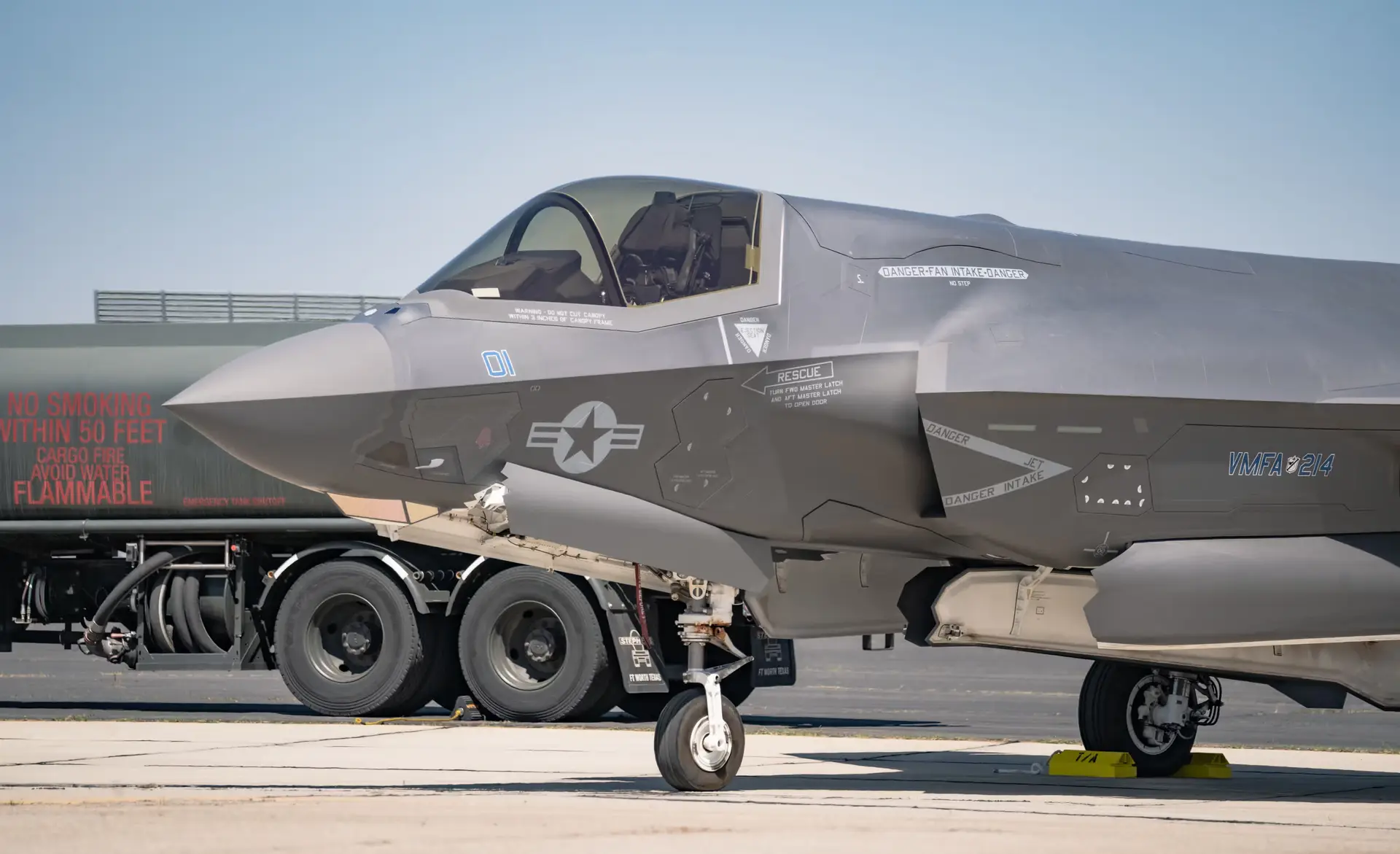
Given Kadena’s strategic weight, the precautions are hard to criticize. As the premier American air facility in East Asia, the base stands on the front line of regional defense planning regarding potential crises involving China, Russia, or North Korea. Its tarmac supports surveillance craft, mid-air refueling tankers, and advanced fighter squadrons. Beyond aircraft, Kadena hosts the Typhon missile system, capable of launching Tomahawk missiles up to 1,600 kilometers, placing targets in China and Russia within striking range. Allowing software-managed vehicles equipped with optical sensors to cruise past such assets was always an awkward arrangement.
This crackdown fits into a broader pattern of technological friction between Washington and Beijing. In June, the Department of Defense added BYD to its official list of 188 Chinese entities with alleged ties to Beijing’s military, a roster that also features automaker Nio and tech giants Alibaba and Baidu. The action mirrors previous measures, including the 2018 ban on smartphones manufactured by Huawei and ZTE across global military sites.
Tit-for-tat tech paranoia is hardly one-sided. Back in 2021, Chinese authorities barred Tesla vehicles from entering certain government compounds over concerns regarding external camera recordings, lifting the ban only in 2024 following domestic regulatory approvals. Yet BYD’s commercial momentum has remained unchecked. After surpassing Tesla in global battery-electric sales in 2025, the manufacturer began pushing into Japan’s domestic market, recently introducing its compact Racco minicar.
As consumer technology becomes increasingly indistinguishable from surveillance infrastructure, state security priorities will inevitably override open-market convenience. Washington's decision in Okinawa simply highlights an uncomfortable truth: in the modern defense posture, even a harmless delivery car can be viewed as an unauthorized eye on the tarmac.
Written by Christiane Hofreiter christiane.hofreiter@alpineweekly.com