Nov 8, 5:00 AM
US Military Establishes Task Force Targeting Iranian Overland Supply Routes
Task Force Iron Gate expands current naval operations to cover land borders and the Caspian Sea.
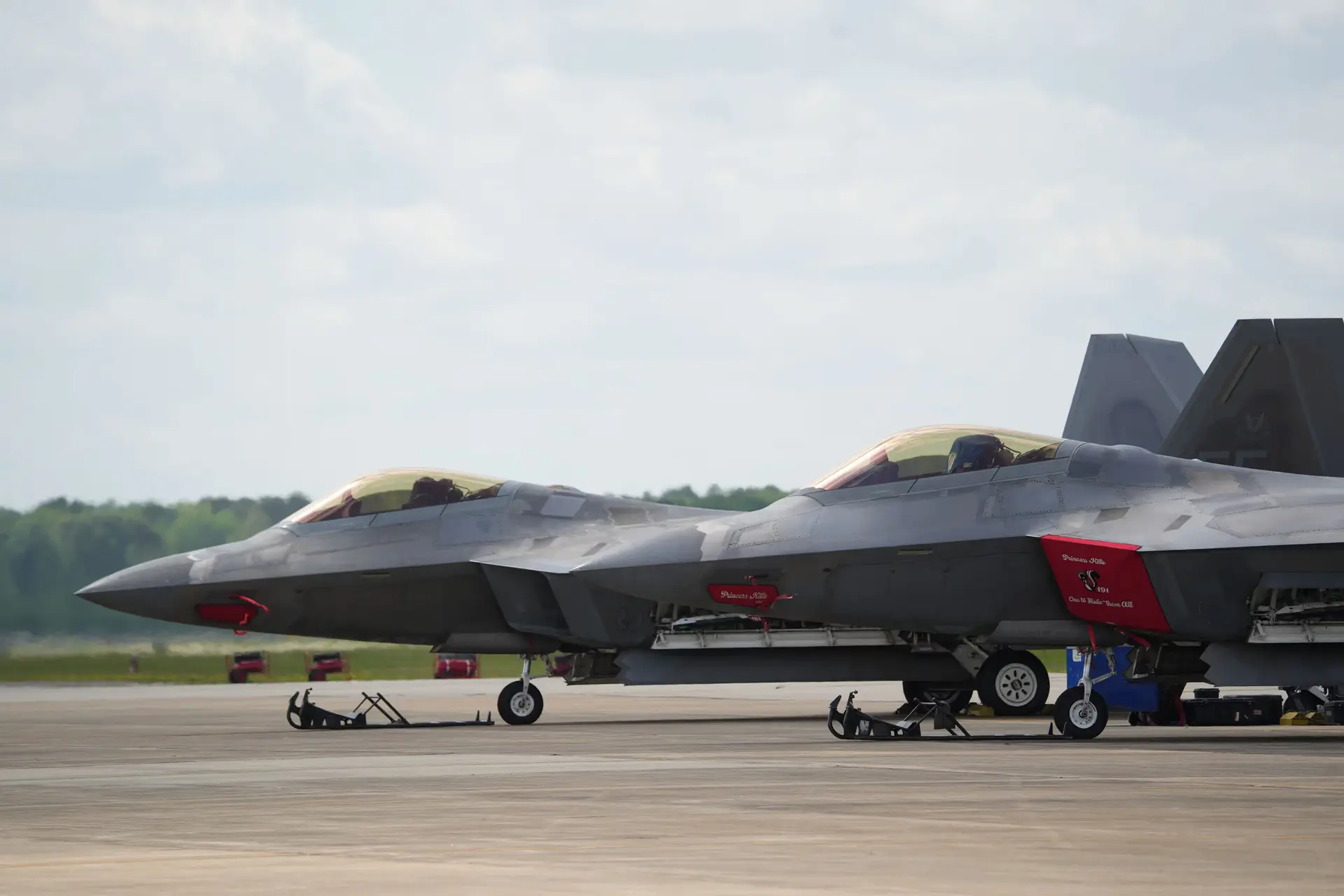
United States Central Command announced on Saturday the establishment of a new specialized unit, designated Task Force Iron Gate, aimed at disrupting Iran's overland supply routes and Caspian Sea transport channels. The initiative expands the scope of existing US operations beyond the naval blockade enforced in the Strait of Hormuz.
According to statements released by Central Command, the Tampa-based task force will coordinate with multiple American government agencies to intercept weapons systems, dual-use technologies, sanctioned materials, and illicit revenue streams along Iran’s terrestrial borders. Task Force Commander Admiral Brad Cooper stated that the operation is intended to reinforce the success of our ironclad blockade against Iran at sea.
The announcement follows months of US maritime enforcement around Iranian ports. Central Command reported that since July, American forces have redirected 147 commercial vessels that complied with instructions, while disabling five merchant ships that refused orders to alter course. In the latest action in the Gulf of Oman, a US military aircraft fired precision munitions at the stern of the St. Kitts-flagged cargo vessel M/V Huda after ordering the crew to evacuate targeted spaces.
Former US deputy assistant defense secretary Michael Mulroy indicated that the new task force will focus on mapping supply channels for weapons and monitoring Iranian energy transport. Mulroy stated that if President Donald Trump orders further military actions, operations would likely target economic and infrastructure assets to impair Iran's financial and operational capabilities, contrasting with previous operations focused primarily on military sites.
Parallel to the announcement, Iranian state media agency IRNA reported several explosions on Qeshm Island, as well as in the coastal cities of Bandar Abbas, Jask, and Sirik. President Trump acknowledged US strikes on Qeshm Island a day prior, characterizing them as minor and noting that diplomatic negotiations mediated by Qatar remain ongoing.
Separately, the navy of Iran’s Islamic Revolutionary Guard Corps reported that two oil tankers sustained severe structural damage after hitting sea mines near the Strait of Hormuz. Iranian state television cited naval officials stating that the vessels were navigating an unsafe zone with their transponders turned off at the time of the detonations.
Written by Christiane Hofreiter christiane.hofreiter@alpineweekly.com