Feb 6, 11:48 AM
Washington Sends New Aid Package to Cuba Amid Deepening Energy and Diplomatic Rift
The United States announces fresh humanitarian assistance for hurricane-hit regions of Cuba while political tensions and mutual accusations continue to escalate.
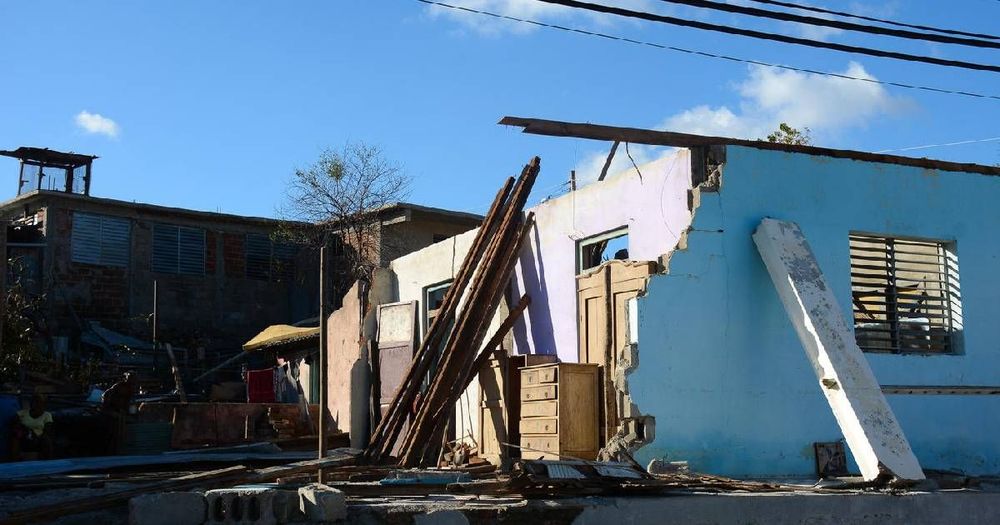
The United States has unveiled a new humanitarian assistance package for Cuba, committing $6 million in additional aid as the island struggles with the aftermath of severe storms and an increasingly fragile energy situation. The move comes against the backdrop of sharply deteriorating relations between Washington and Havana, marked by public accusations, stalled diplomacy and rising pressure on both sides.
According to US officials, the funding is intended to support communities in eastern Cuba still recovering from Hurricane Melissa, which struck the region late last year. The assistance will consist primarily of food supplies and basic equipment, including staples such as rice, beans and pasta, canned fish, and solar-powered lamps. Distribution is expected to take place through religious and charitable organisations, including the Catholic Church and Caritas, rather than Cuban state institutions.
US authorities have indicated they will closely monitor how the aid is delivered. Officials say embassy staff will oversee the process to ensure the supplies reach civilians and are not redirected or used for political purposes. These assurances reflect longstanding US concerns about transparency and control over humanitarian flows into the country.
The announcement comes as Cuba’s leadership continues to blame Washington for worsening living conditions on the island. President Miguel Díaz-Canel has described recent US actions as amounting to an “energy blockade,” arguing that restrictions and diplomatic pressure have contributed to fuel shortages and rolling blackouts. These claims are presented by Havana as part of a broader narrative that external forces are deliberately destabilising the country.
US officials strongly reject that interpretation. Representatives from the State Department argue that Cuba’s economic hardship is the result of domestic mismanagement rather than foreign sanctions, and deny that US policy is responsible for shortages of fuel or food. They also point to Cuba’s long-standing ties with Venezuela, noting that recent changes in regional politics have disrupted financial and energy arrangements that Havana previously relied on.
Despite the heated rhetoric, both sides have signalled — at least publicly — that dialogue is not entirely off the table. Cuban officials have stated they are open to negotiations, provided talks take place without preconditions or pressure. The United States, for its part, says it remains willing to engage diplomatically, while also warning that alternative measures remain available if no progress is made.
The aid package highlights the uneasy balance Washington is attempting to strike: offering humanitarian support to ordinary Cubans while maintaining political pressure on the country’s leadership. Whether the assistance helps ease immediate hardship without becoming another flashpoint in the bilateral standoff remains an open question.
For now, the delivery of food and basic supplies offers limited relief to storm-affected communities — even as the broader dispute over energy, sovereignty and responsibility shows little sign of cooling.