Feb 6, 7:25 AM
Trump Backs Orbán as Hungary Heads Toward a High-Stakes Election
The former US president has thrown his support behind Viktor Orbán as polls suggest the Hungarian prime minister faces his toughest electoral challenge in over a decade.
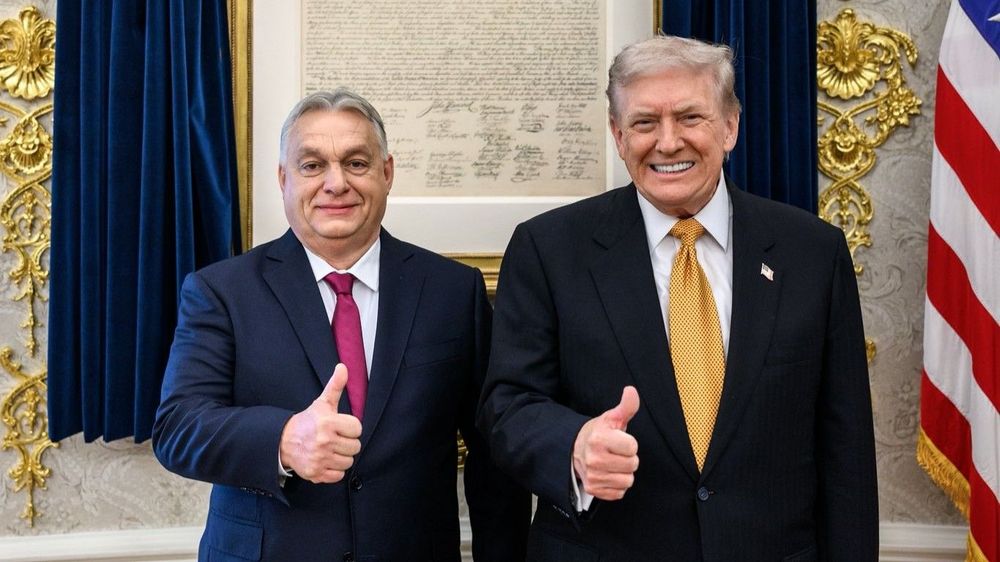
Donald Trump has entered Hungary’s election season from across the Atlantic, publicly endorsing Prime Minister Viktor Orbán just weeks before voters head to the polls in what could be the most competitive race of Orbán’s long political career.
The endorsement, shared on Trump’s social media platform Truth Social, reinforces a political alliance that has spanned several years. Orbán, who has governed Hungary since 2010, is seeking to extend his rule at a time when opinion polls suggest his dominance is under real threat. Surveys indicate that the opposition Tisza Party, led by conservative newcomer Péter Magyar, currently holds a lead over Orbán’s governing Fidesz-KDNP coalition.
Trump’s intervention follows a familiar pattern. He has repeatedly backed ideologically aligned candidates abroad, particularly those promoting nationalist and hard-line policies on migration. In recent years, Trump publicly supported figures such as Japan’s Sanae Takaichi and Argentina’s Javier Milei during their campaigns—both of whom ultimately won their respective elections. His endorsement of Orbán fits squarely within that approach.
The former US president praised Orbán’s record, particularly his strict stance on immigration, and framed the Hungarian leader as a dependable ally. Trump also recalled backing Orbán during Hungary’s previous election cycle, signalling continuity rather than a one-off gesture.
The political timing is notable. Orbán is confronting sustained domestic pressure, with polling data from Hungary’s 21 Research Center placing Tisza at 35 percent support, compared with 28 percent for Fidesz-KDNP. While polls do not guarantee electoral outcomes, they point to a far tighter contest than Orbán has faced in over a decade.
Speculation about closer US-Hungary engagement has also resurfaced. In January, Trump sent Orbán a letter suggesting a potential visit to Hungary ahead of the election, though no date has been confirmed. Orbán has since said he hopes to persuade Trump to come to Budapest and has floated the idea—presented as his own statement rather than a confirmed plan—of hosting a future international summit involving the United States, Russia and Ukraine, should conditions allow.
The endorsement comes against a broader geopolitical backdrop. A recent US National Security Strategy document has argued that Washington increasingly views nationalist and hard-right movements in Europe as partners in countering what it describes as Europe’s “civilizational decline.” While the document outlines policy thinking rather than operational commitments, it underscores the ideological alignment between Trump and leaders like Orbán.
Hungarian voters will cast their ballots on April 12. Whether Trump’s backing proves influential remains uncertain, but it adds an international dimension to a campaign that is already shaping up as a defining moment for Hungary’s political direction.