juin 17, 12:03 PM
Provocation théologique et la paix fragile du Mont du Temple
Les nationalistes israéliens défont un compromis diplomatique vieux de plusieurs décennies à Jérusalem, risquant la stabilité régionale pour un gain politique intérieur.
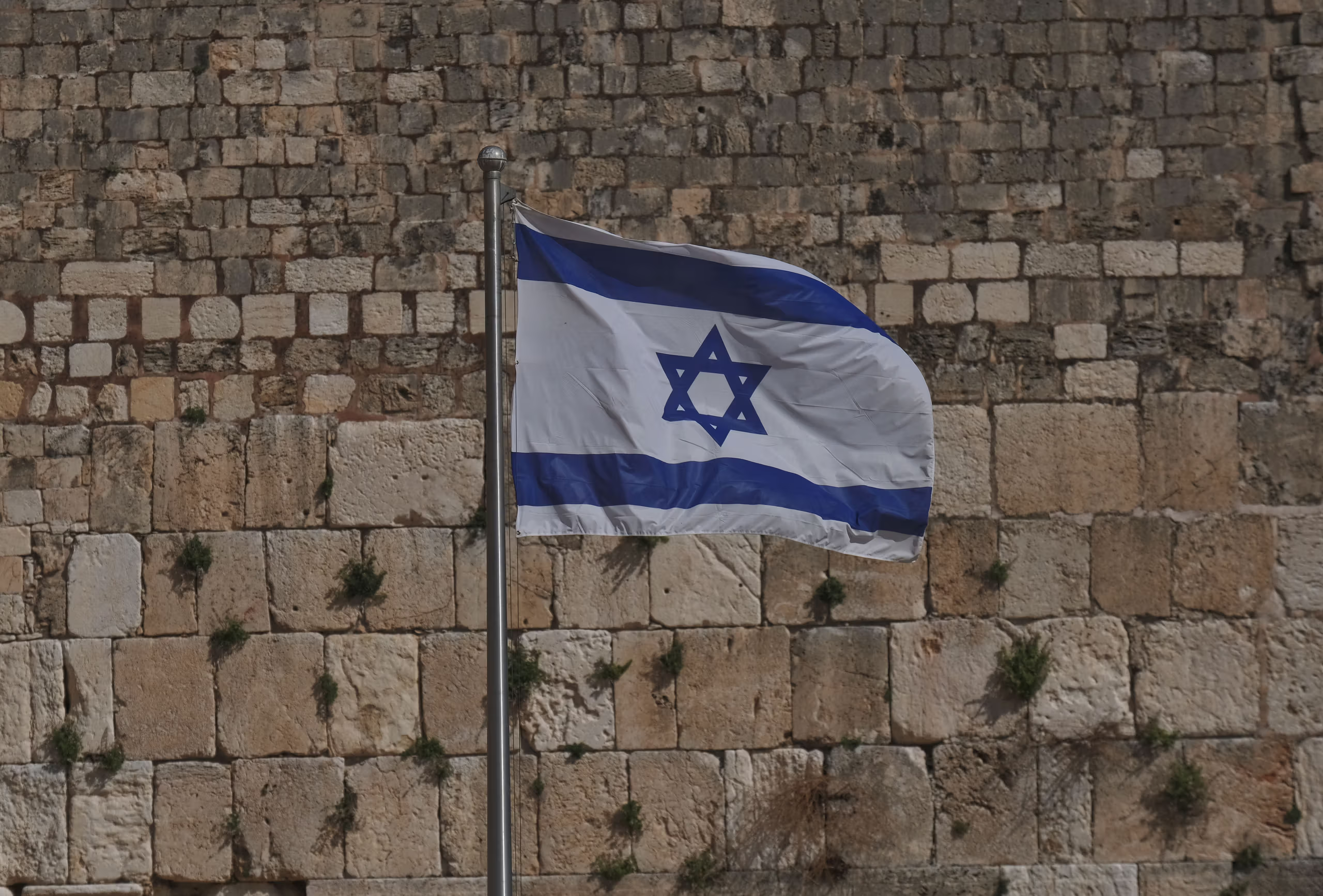
Les trente-cinq acres les plus contestées de Jérusalem fonctionnent sur une curieuse fiction diplomatique. Pendant des décennies, l'arrangement connu sous le nom de Statu Quo a maintenu une paix fragile au sommet du Mont du Temple, ou esplanade des Mosquées, en imposant une stricte division du travail spirituel. Les musulmans prient ; les non-musulmans se contentent de visiter. Pourtant, ce compromis pragmatique s'effiloche de plus en plus sous la pression du nationalisme religieux israélien. Les politiciens qui opéraient autrefois en marge traitent désormais le site comme une scène de provocation théologique.
Des personnalités comme Moshe Feiglin et le ministre de la Sécurité nationale Itamar Ben-Gvir ne se soucient plus de cacher leurs ambitions. Ils montent sur le plateau non pas en tant que touristes discrets, mais pour chanter, prier et afficher des symboles nationaux. Feiglin milite ouvertement pour la construction d'un nouveau temple juif sur l'empreinte exacte des anciens sanctuaires islamiques. Ben-Gvir a tiré parti de sa position au cabinet pour faciliter les routines de prière juives sur l'esplanade, revendiquant explicitement la propriété israélienne du site lors de récentes marches nationalistes.
L'audace de ces actions réside dans leur double défi. Elles remettent en question le Waqf islamique administré par la Jordanie, qui détient la garde historique du complexe. Simultanément, elles ignorent le Grand Rabbinat d'Israël et un large consensus d'érudits ultra-orthodoxes, qui interdisent explicitement les ascensions juives sur le Mont pour des raisons halachiques strictes. Ce qui était autrefois un tabou religieux a été effectivement transformé en arme pour l'influence politique.
Sans surprise, la machine diplomatique commence à grincer. Les spéculations s'intensifient concernant une supposée initiative israélienne visant à reclassifier le complexe comme un centre multiconfessionnel, ce qui transférerait progressivement le contrôle administratif loin du Waqf. Le bureau du Premier ministre Benjamin Netanyahu insiste sur le fait que les anciennes règles restent intactes. Outre-Atlantique, le secrétaire d'État américain Marco Rubio affirme ignorer de tels plans, même si l'ambassadeur américain en Israël, Mike Huckabee, amplifie fréquemment le récit des revendications historiques juives sur la région.
Les acteurs régionaux n'attendent pas les changements de politique officiels pour exprimer leur consternation. La Jordanie, l'Égypte et divers États du Golfe observent avec une inquiétude croissante l'érosion de l'autorité islamique au Noble Sanctuaire, tandis que le gouvernement britannique a officiellement exigé que les arrangements historiques soient respectés. Les représentants du Conseil du Waqf islamique ont clairement indiqué que modifier la gestion du complexe de la mosquée risquait une grave confrontation régionale.
Le Moyen-Orient pardonne rarement à ceux qui ignorent son histoire récente. En septembre 2000, Ariel Sharon a fait une promenade lourdement armée sur les mêmes pavés de pierre. Cette démonstration spécifique de souveraineté est devenue le catalyseur de la seconde intifada palestinienne, un conflit de cinq ans qui a fait des milliers de morts en Israël, en Cisjordanie et à Gaza. L'avant-garde nationaliste actuelle semble remarquablement désireuse de tester si la région peut absorber un choc similaire sans s'enflammer.
Écrit par Freya Stensrud
Dernières nouvelles