Jul 31, 2:03 PM
The Ten-Billion-Euro Smokescreen: How Brussels Exploits the French Fires
EU officials are using the devastation in Gironde to demand a massive budget increase, conveniently ignoring decades of disastrous land management.
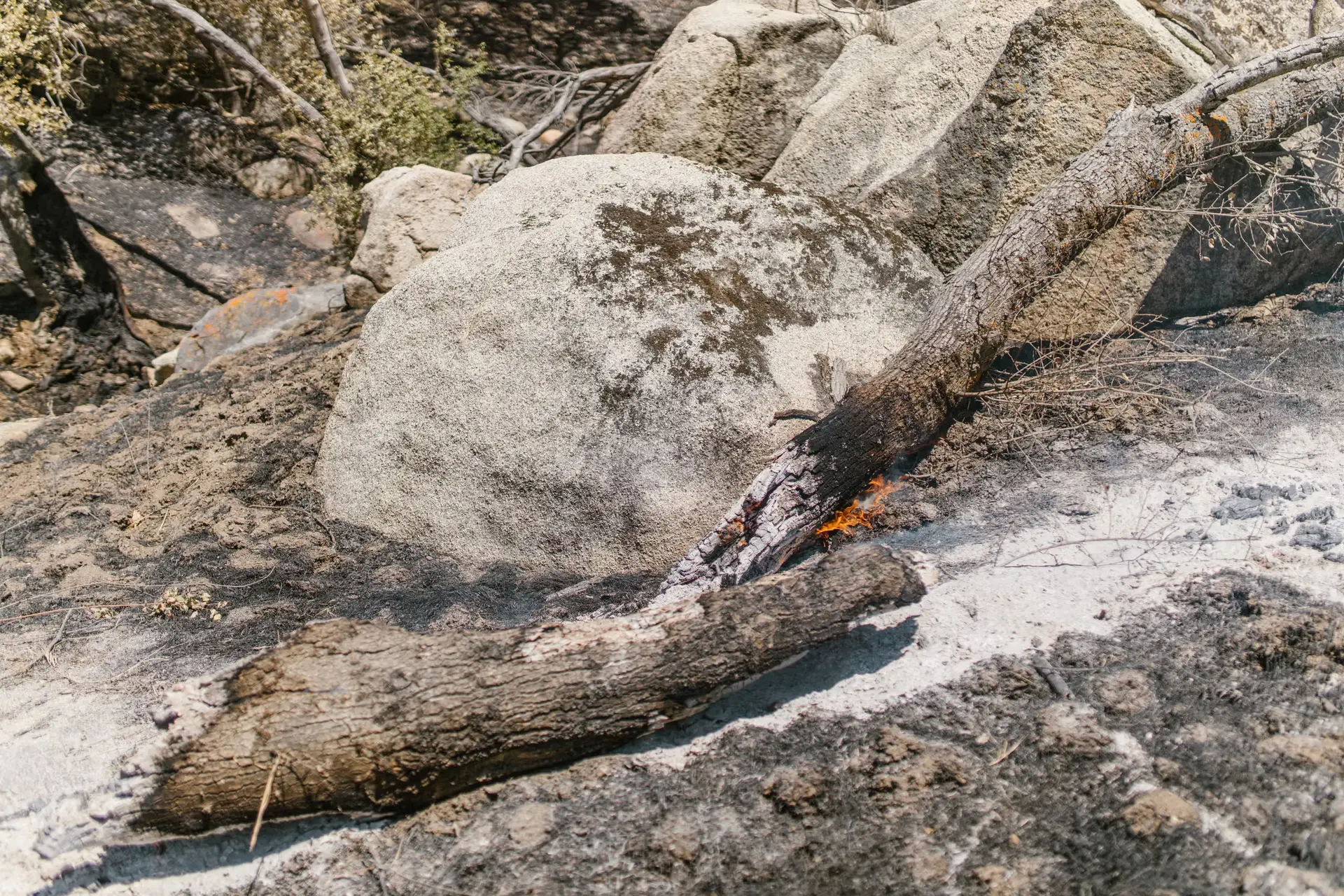
When European Commissioner for Crisis Management Hadja Lahbib boarded a helicopter to survey the charred remains of the Gironde region, one could almost hear the gears of the Brussels bureaucracy turning. Down below, 42,000 hectares of French forest had been reduced to ash. Up above, a narrative was already being forged to justify the next massive expansion of the European Union’s budget. The fires in southern Europe are undoubtedly tragic, but for the unelected machinery of the European Commission, they are also a highly convenient political opportunity.
Lahbib wasted no time in delivering her verdict. Rather than scrutinising local forest management or the sluggish response of the French state, she took aim at an easy target: climate sceptics. Climate change is not knocking at our door. It is here, she announced, demanding that her ideological opponents open their eyes to the devastation.
Her colleague, EU competition chief Teresa Ribera, previously went so far as to claim that questioning the official climate narrative is akin to giving alcohol to alcoholics and telling them it's okay to drive. Such dramatic rhetoric serves a distinct purpose. By framing the wildfires exclusively as an apocalyptic climate event, Brussels effectively shields national governments from accountability while positioning itself as the indispensable saviour.
The price tag for this salvation is, predictably, astronomical. Lahbib is championing a proposal to inject €10.7 billion into preparedness measures under the EU’s next long-term budget. It is a classic move from a centralising apparatus that consistently works for its own expansion rather than the citizens it claims to protect.
France, currently grappling with a stagnant economy and alarming state finances, is more than happy to play along. Paris would much rather outsource the blame to global weather patterns and rely on European emergency assistance than address its own chronic inability to implement meaningful domestic reforms. Greece, Turkey, and Tunisia have also lined up for cross-border aid, feeding the Commission's narrative of a continent-wide security challenge requiring centralised oversight.
Yet, the convenient political framing ignores the mundane reality on the ground. According to Piotr Borkowski of the European State Forest Association, the crisis in the Mediterranean is largely structural. The true culprit is the widespread abandonment of traditional landscape management, forestry, and agriculture. Vegetation has been left to overgrow and dry out, creating a massive tinderbox waiting for a spark.
Instead of encouraging practical land use, European policies often drown rural communities in red tape. We see this bureaucratic panic spreading north, too. The heavily over-regulated Netherlands, hardly known for its Mediterranean climate, hastily activated the EU Civil Protection Mechanism as early as the 30th of April.
Firefighting requires cleared brush, active forestry, and local competence, not a ten-billion-euro slush fund administered by distant officials. As long as Brussels uses natural disasters as leverage to consolidate power and mask the failures of member states, the structural rot will only deepen. The smoke over Gironde will eventually clear, but the financial and bureaucratic burdens imposed in its wake are entirely fireproof.
Written by Christiane Hofreiter christiane.hofreiter@alpineweekly.com