Jul 27, 12:01 PM
The Price of Protection: NSW Police Defend Their Monopoly on Armed Security
Demands to arm Jewish community guards are met with bureaucratic warnings of favouritism and offers of a user-pays police presence.
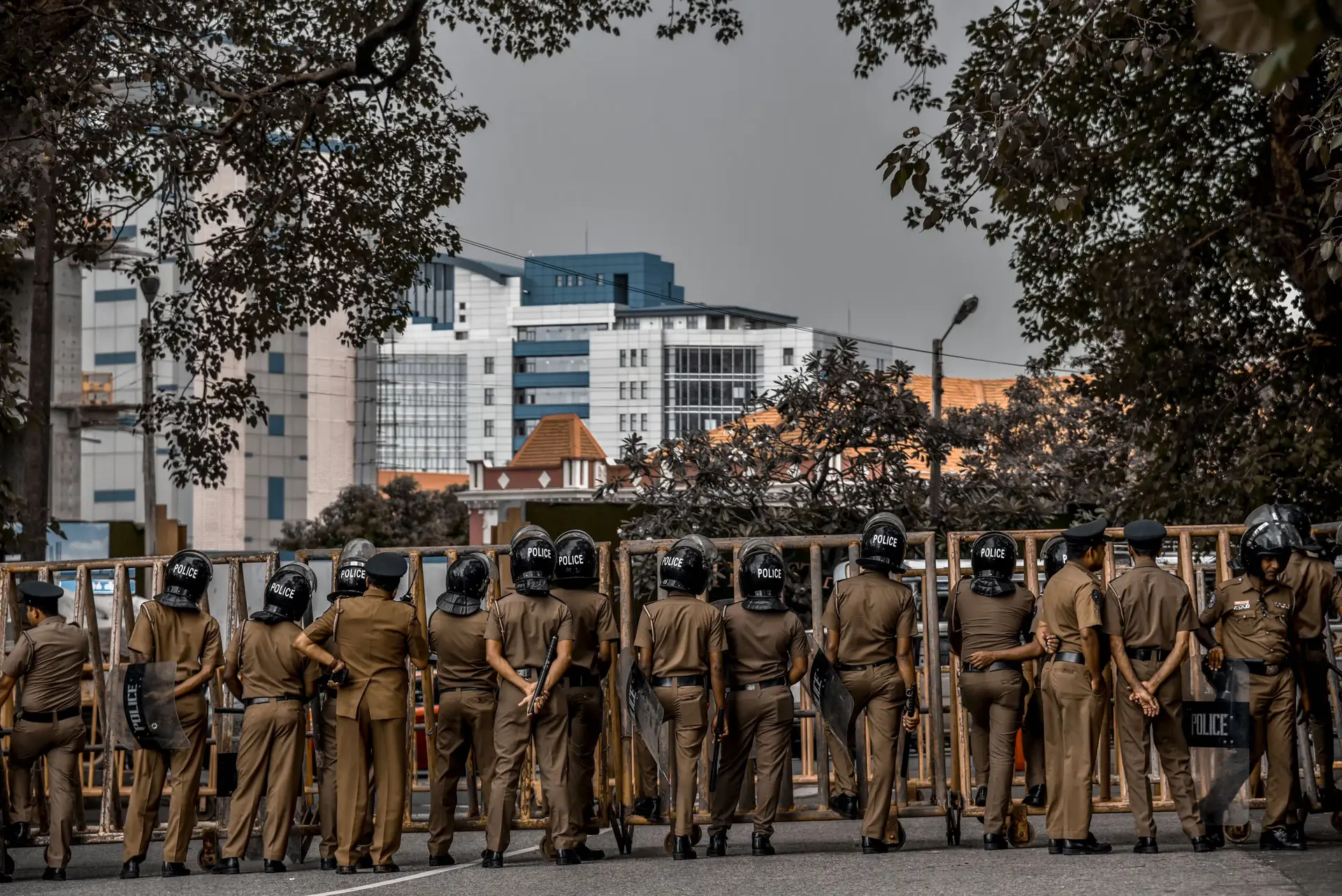
A fundamental tenet of the modern state is its monopoly on the legitimate use of force. When a specific demographic requests the right to arm its own security personnel, it signals that this monopoly is failing to deliver on its primary promise: basic safety. In New South Wales, the royal commission into antisemitism and social cohesion is currently weighing exactly this dilemma. Following the terror attack at Bondi, segments of the Jewish community have lobbied to arm the Community Security Group for open-air events.
Deputy Commissioner David Hudson recently outlined the police force's firm opposition. He told the commission that protecting society remains the exclusive responsibility of the police. Allowing private security guards to carry firearms or wear body armour, he argued, would fracture already strained community relations. More revealingly, he warned it could be perceived as the authorities showing favouritism to a specific group.
Instead of communal self-defence, the police leadership prefers a transactional approach. Hudson advocated for a model where event organisers pay the state for a dedicated police presence, mirroring arrangements made at Westfield following a knife attack earlier this year. It is a curiously corporate solution to a fundamental civic duty: the state will maintain its monopoly on armed protection, provided the targeted minority can foot the bill.
This bureaucratic compromise offers little comfort to those actually facing the threat. The Australian Jewish Association and risk consultants argue that police simply cannot be everywhere. Currently, the Community Security Group employs trained professionals who are permitted to carry weapons at schools and synagogues. Yet, during a major Hanukkah celebration in December, their guards remained unarmed. NSW Premier Chris Minns had previously indicated his government was actively considering expanding firearm access for the group, a stark contrast to the police leadership's current stance.
The royal commission heard that for the Chanukah by the Sea event, expecting roughly two thousand attendees, merely four police officers were assigned. It was not even clear if they were mandated to stay for the duration. While an interim report from the commission found no legislative gaps that could have prevented the subsequent shooting, it highlighted a desperate need for better policing coordination at Jewish festivals.
Counter-terrorism experts have pointed out structural weaknesses in the state's response model. Although general duties officers neutralised the threat rapidly—shooting one alleged attacker within five minutes and apprehending a second within eight—they are not necessarily equipped for complex terror scenarios. An average Australian officer receives a mere nine days of firearms training, compared to the twelve weeks mandated for specialist armed officers in the United Kingdom.
To bridge this capability gap, the police force points to a newly announced armed response command and a round-the-clock operations centre designed to liaise with communal security. Hudson assured the commission that armed responses would be deployed if threat assessments demanded them. The state insists on being the sole protector, but its credibility now depends entirely on its ability to arrive before the damage is done.
Written by Andreas Hofer andreas.hofer@alpineweekly.com