Jul 16, 6:03 PM
The Price of Asphalt: Appenzell's Battle Over Seasonal Parking
A proposed hike in parking fees has sparked a fierce local debate in Switzerland, pitting summer tourism management against winter residents.
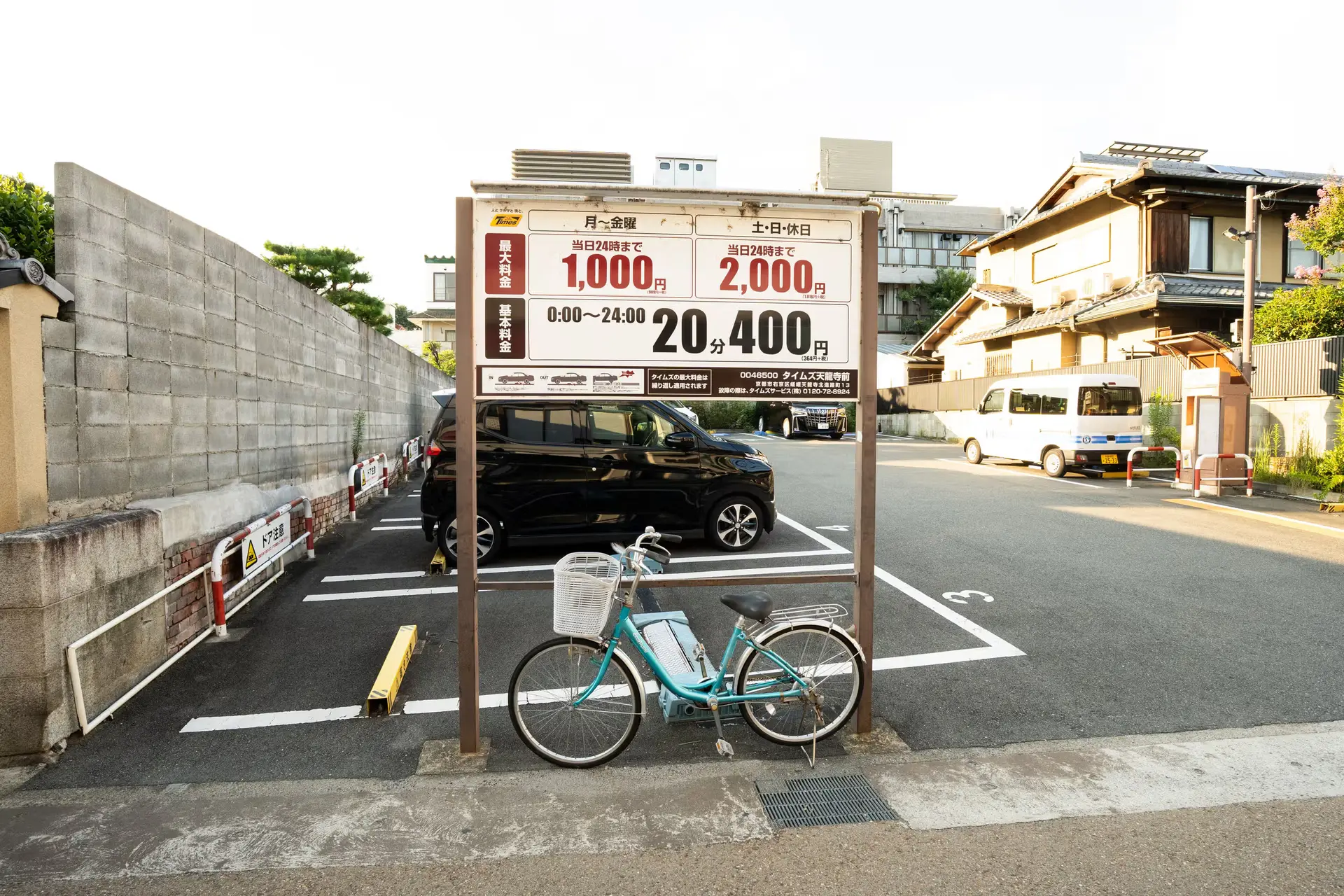
In the grand theatre of Swiss local politics, few things ignite passions like the cost of parking on a patch of asphalt. The canton of Appenzell Innerrhoden, a picturesque corner of a wealthy and occasionally naive nation, is locked in a relentless debate over parking fees. The saga began in September 2025, when the cantonal government announced plans to hike daily rates from a modest five francs to an eye-watering thirty. For a brief moment, rural Appenzell threatened to propel itself into the pricing stratosphere of downtown Zurich.
Naturally, the political machinery ground into action, producing a classic Swiss compromise. Visitors parking in Wasserauen—the gateway to the Äscher mountain restaurant via the Ebenalp cable car—now pay 15.75 francs. Yet, this supposedly moderate solution has done little to soothe the populace. Online reviews bristle with indignation, and the local press is peppered with letters from citizens who feel their otherwise robust state system is arbitrarily squeezing them for minor revenues.
Enter Thomas Mainberger, a former president of the local parliament, who injected a dose of basic market economics into the fray. His proposition is logical: seasonal pricing. The traffic dynamics of the Alpstein region fluctuate wildly. Summer brings a deluge of external tourists and overflowing parking lots, while winter paints a starkly different picture. The Ebenalp parking area sits half-empty during the colder months, relying heavily on locals and regional day-trippers. Mainberger argues that applying peak summer tariffs to the sluggish winter season defies common sense, suggesting a return to the historic five-franc rate.
The cantonal government is executing a masterful bureaucratic sidestep. The Standeskommission points out that the initial fee hike was requested by the five local districts. Jakob Signer, the minister responsible for justice and police, maintains that any new tariff structure must also originate from these districts. Signer defended the current model, noting that frequent tariff adjustments would be administratively difficult. He calculates that a local family arriving for an afternoon of skiing would only pay between two and four francs, dismissing fears of pricing out residents.
The Ebenalp cable car company is firmly in the seasonal pricing camp. Manager Mario Koller notes that such a model was floated during earlier negotiations but failed to secure a majority. He adds that lower winter rates would logically support seasonal tourism and cater better to the local population.
The district of Schwende-Rüte, holding jurisdiction over Wasserauen, has declined to comment on pursuing a new pricing request. Until the authorities brave this minor political storm, the asphalt of the Alpstein will remain a contested battleground. In a country that profits immensely from its isolated wealth but often recoils from decisive action, the wheels of local consensus sometimes turn at a remarkably slow pace.
Written by Thomas Nussbaumer thomas.nussbaumer@alpineweekly.com