Jul 27, 8:01 AM
The Phantom Voters of Muzaffarabad
A dispute over twelve extraterritorial assembly seats exposes the hollow reality of self-governance in Pakistan-administered Kashmir.
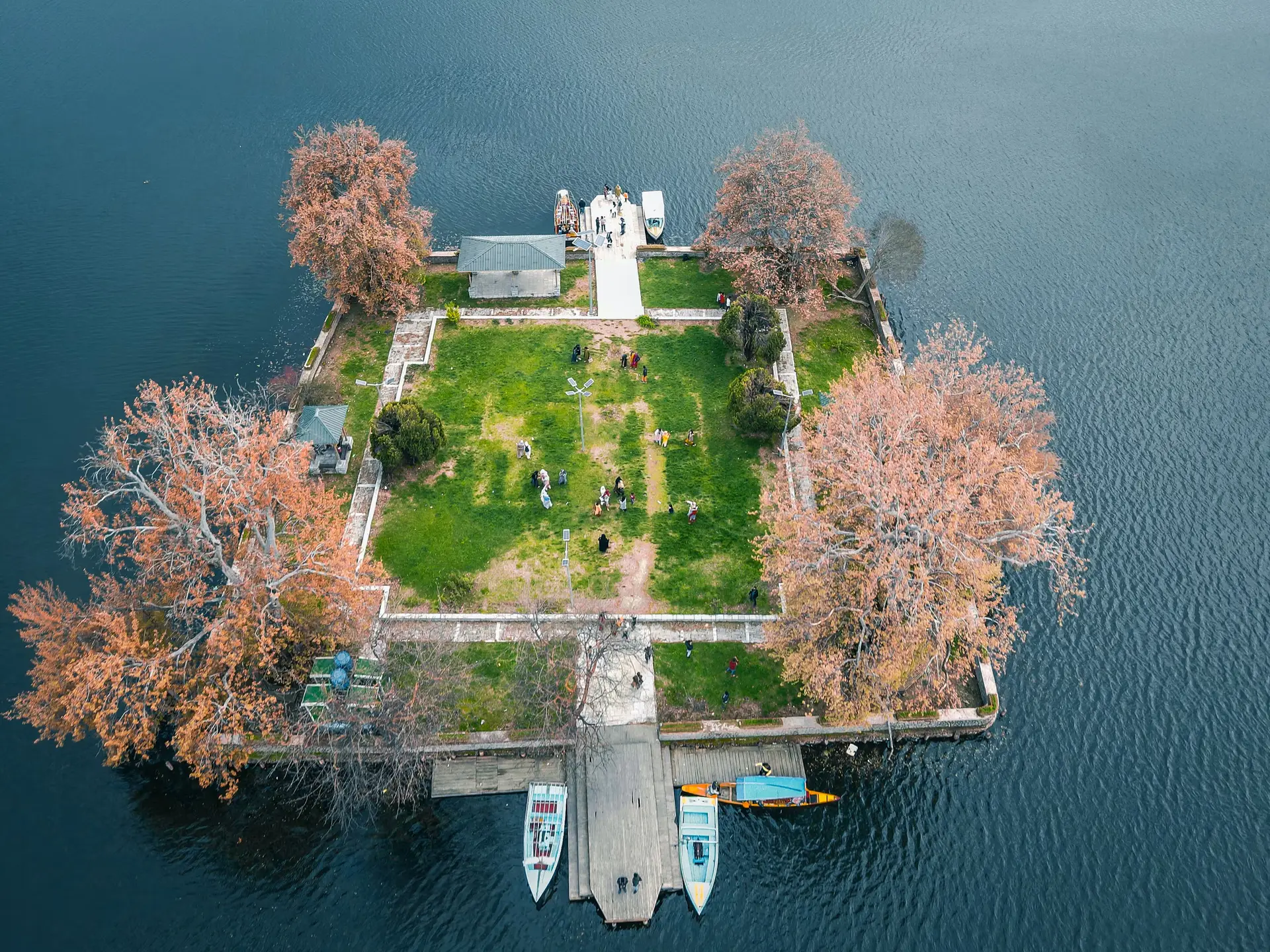
Elections in Pakistan-administered Kashmir are rarely an exercise in unadulterated democracy, but the current spectacle surrounding the Azad Jammu and Kashmir (AJK) Legislative Assembly takes bureaucratic maneuvering to a fatal extreme. Originally scheduled for July 27, 2026, the polls have been fractured across three dates, culminating on August 10. The delay is a desperate attempt to manage a region that has spent the summer under an unofficial state of emergency. Nearly 40 people have died since early June in clashes between security forces and the Jammu Kashmir Joint Awami Action Committee (JAAC). The catalyst for this paralysis is a dispute over twelve legislative seats reserved for people who do not even live in the territory.
Out of the 45 seats in the AJK assembly, a dozen are ring-fenced for refugees from Indian-administered Kashmir who reside in cities across Pakistan. These constituencies represent roughly 439,000 of the region's 3.8 million registered voters. For the JAAC, this arrangement is an unacceptable distortion of local representation. The committee argues that these extraterritorial seats should be abolished or replaced by four positions on the Islamabad-chaired AJK Council, freeing up resources from AJK’s 310 billion rupee budget for actual residents.
The local government responded by banning the JAAC on June 5, 2026, arresting its leadership and prompting a widespread boycott of the upcoming ballot. Meanwhile, the establishment has retreated behind the shield of constitutional law. The AJK Supreme Court ruled that the refugee seats are protected and immune to public pressure. AJK Prime Minister Faisal Mumtaz Rathore formally declared that any decision on the seats can only be taken by the elected representatives in the House. This legalistic defense conveniently ignores the reality in the Poonch division, which was sealed off for weeks, leaving residents without basic supplies like flour.
It is telling that the JAAC did not begin as a constitutional reform movement. Its original charter was entirely economic, focusing on subsidized utilities and a share in local hydropower revenues. The inclusion of the refugee seats in an expanded charter submitted in October 2025 reveals a fundamental recognition by the protesters: economic deprivation in AJK is inherently linked to its engineered political structure. The 12 seats serve as a reliable instrument for political parties based in Pakistan to dictate government formation in Muzaffarabad.
The ultimate irony of the crisis is where the protesters have turned for a resolution. Bypassing the civilian administration entirely, JAAC leadership directed their appeals to Pakistan's army chief, Field Marshal Asim Munir. This entreaty to the military establishment strips away the remaining veneer of AJK's self-governance. Islamabad maintains the refugee seats to bolster its geopolitical claim over the entirety of the former State of Jammu and Kashmir. In doing so, it reduces the elected leadership in Muzaffarabad to mere administrators of a heavily policed dependency.
Written by Andreas Hofer andreas.hofer@alpineweekly.com