
Aug 25, 2:02 PM
The Limits of Hegemony: Washington's Financial War on Iran Stops at Beijing's Door
The US Treasury has launched a grand economic offensive against Tehran, but a glaring reluctance to target Chinese oil buyers exposes the fragility of American secondary sanctions.
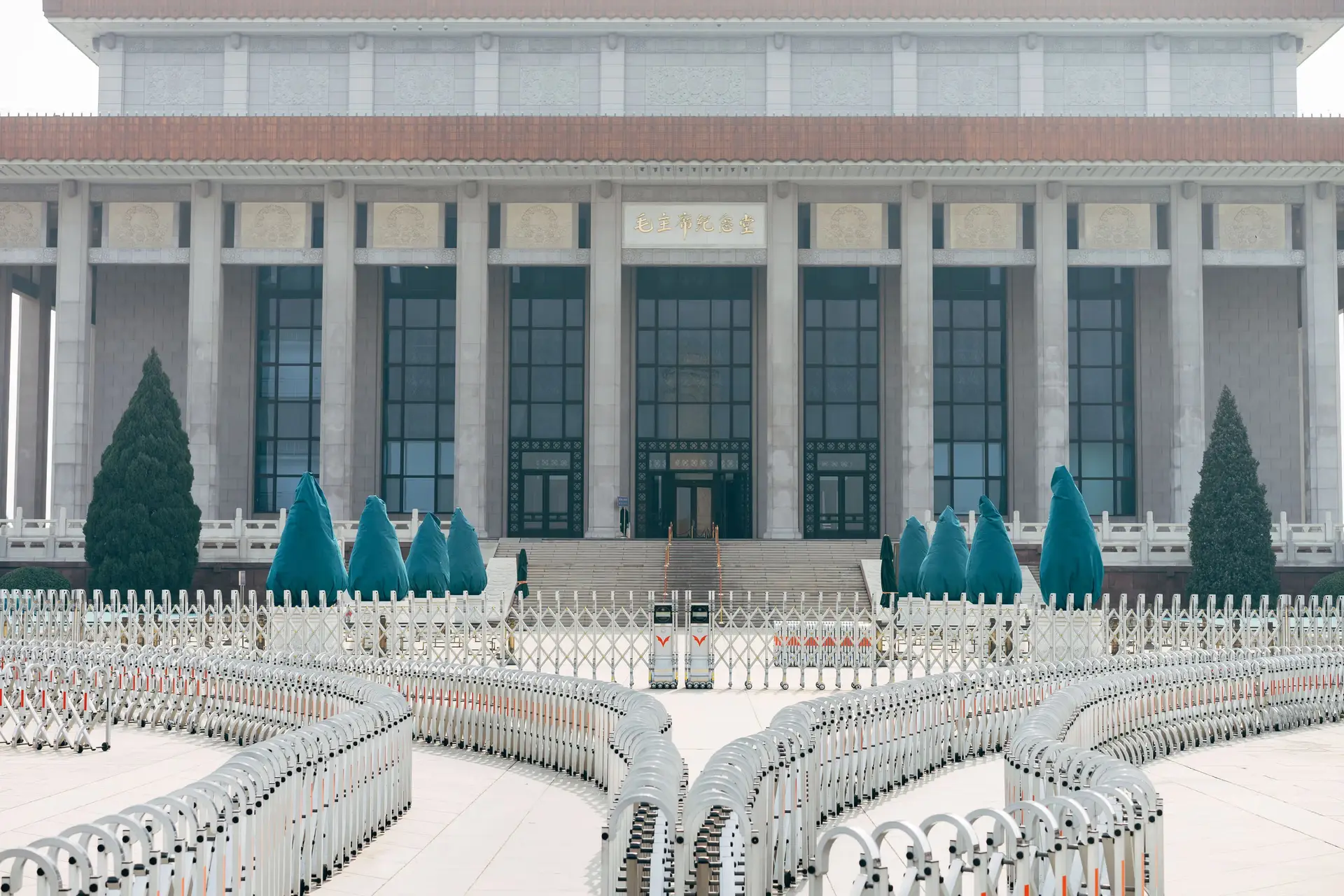
Washington has unveiled its latest strategy to bring Tehran to its knees, branding the initiative with the cinematic title of Operation Economic Outcast. The objective is to sever Iranian financial networks and threaten anyone facilitating the regime's money laundering with expulsion from the US dollar system. Treasury Secretary Scott Bessent compared the campaign to the D-Day landings. Yet, for all the historical grandstanding, the opening salvo of this economic offensive was notable mostly for who it left out.
While the Treasury blacklisted sixty individuals, vessels, and entities allegedly involved in Iranian trade, Chinese financial institutions were conspicuously absent. This omission is no bureaucratic oversight. China purchases an estimated eighty percent of Iran’s oil exports, acting as the primary economic engine keeping the heavily sanctioned regime afloat. When pressed on why the administration stopped short of targeting these crucial Chinese nodes, Bessent bluntly cited the risk of detonating the global financial system.
Beijing wasted no time in dismissing the American warnings. Chinese Foreign Ministry spokesman Lin Jian officially rejected the threat of secondary sanctions, declaring that his government firmly opposes unilateral penalties and will take all necessary measures to protect its national interests. The diplomatic posturing sets a tense stage for the scheduled summit between Donald Trump and Xi Jinping next month. The White House is acutely aware of China's retaliatory arsenal, which ranges from financial market disruptions to restricting the export of critical minerals.
The shift toward aggressive financial strangulation suggests a tacit acknowledgment in Washington that six months of military engagement have failed to force an Iranian capitulation. Iran’s economy has been devastated by the ongoing blockade, yet Tehran maintains a posture of aggressive defiance. Economic Minister Ali Madanizadeh warned via state television that the country's defence strategy has shifted, advising adversaries to anticipate an attack. The physical manifestations of this tension are already visible in the Strait of Hormuz, where an unidentified projectile recently struck an oil tanker. With only two commercial vessels managing to transit the vital waterway on Monday, the near-closure poses a severe threat to global oil prices.
For the Trump administration, navigating this geopolitical knot is fraught with domestic political risk. Surging energy costs ahead of the November congressional elections could prove disastrous. While the United Arab Emirates has suspended trade ties with Iran, other regional players like Turkey remain noncommittal. The Pentagon, via Defense Secretary Pete Hegseth, maintains that kinetic strikes remain an option. However, the reliance on economic warfare reveals a stark reality: Washington is attempting to isolate Tehran without triggering a catastrophic trade war with Beijing, a balancing act that tests the absolute limits of American financial hegemony.
Written by Thorben Thiede thorben.thiede@alpineweekly.com