
Oct 20, 4:01 PM
The Illusion of Quiet in Gaza
While diplomats discuss ceasefires, local realities in the Gaza Strip are measured in daily strikes and mounting casualties.
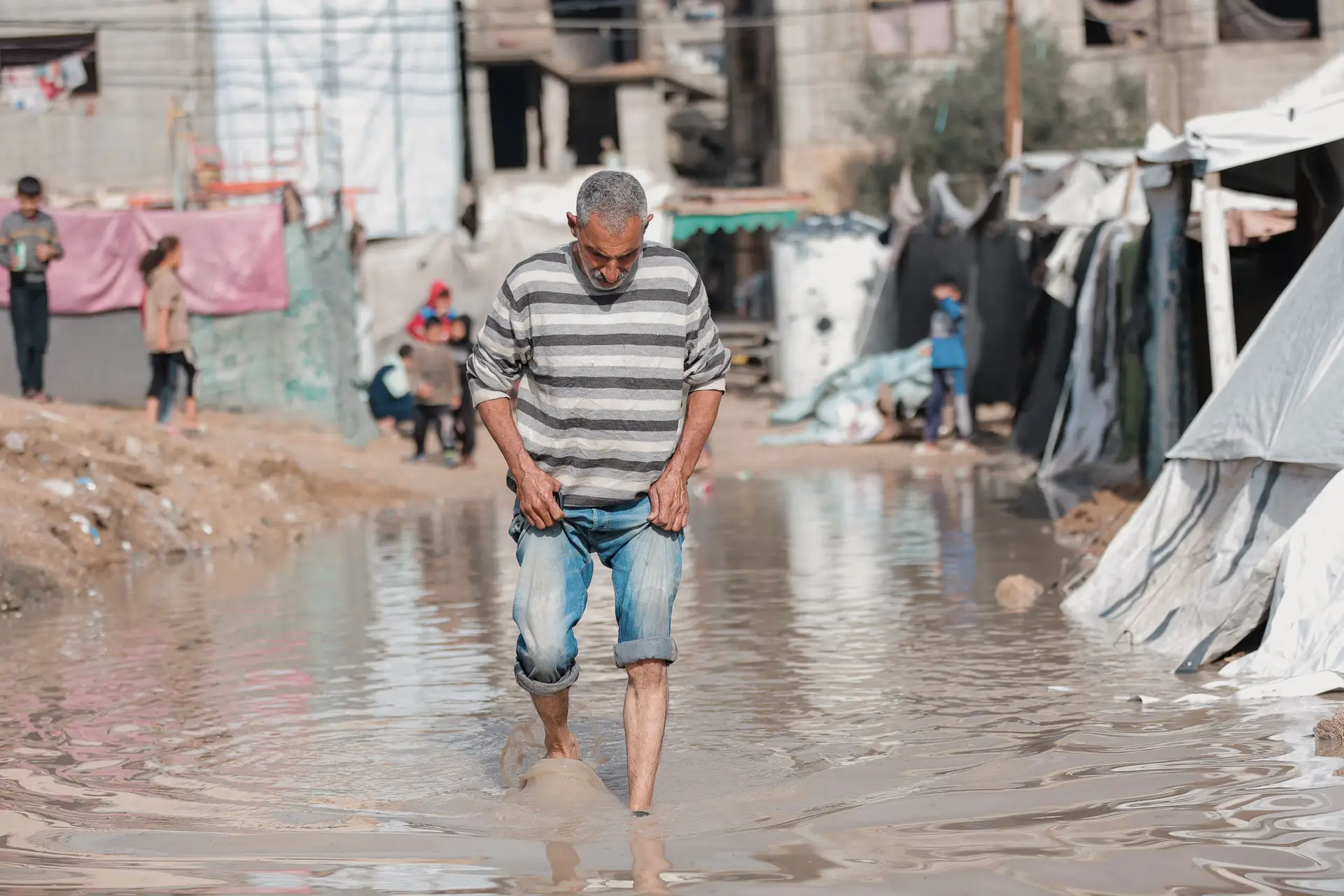
Diplomatic terminology has a remarkable capacity to detach itself from reality on the ground. For months, international observers and political commentators have debated the parameters of a ceasefire in the Middle East, yet the mechanics of military operations in the Gaza Strip continue practically uninterrupted. On Tuesday, fresh strikes and gunfire across the territory once again demonstrated how little official designations alter local conditions.
According to local health officials, at least four Palestinians were killed in separate incidents spanning Gaza City and Khan Younis. In the northern part of the enclave, an Israeli air strike targeted a residential apartment in Gaza City, killing Akram Yassin and his wife, Dina Abu Baker. Farther south, in the Qizan an-Najjar neighbourhood near Khan Younis, Israeli gunfire claimed the life of a 17-year-old boy. Additional gunfire was reported in the Zeitoun suburb east of Gaza City, claiming another victim, while Palestinian news agency Wafa reported artillery bombardment in areas south of Khan Younis.
Reports from Deir el-Balah indicated an escalation in aerial activity overnight, with fighter jets and drones deployed across central Gaza. A residential flat in Gaza City was targeted without prior warning, leaving extensive destruction across the surrounding block. For residents inspecting the rubble prior to attending funerals, the official talk of a truce ringed entirely hollow. Mahmoud Yassin, brother of the slain Akram Yassin, noted to news agencies that despite public references to a ceasefire period, residents experience no such pause, as shelling and targeted strikes remain a constant element of daily life.
The cumulative statistics highlight the scale of the destruction. Figures provided by Gaza health authorities state that at least 74,480 people have been killed and over 175,539 wounded since the conflict escalated in October 2023. Even following the October 2025 accord, casualties have continued to accumulate, with 1,522 deaths recorded since that period and hundreds of bodies retrieved from collapsed buildings.
From an infrastructural standpoint, the transformation of the enclave is nearly complete. United Nations assessments indicate that roughly 82 percent of all structures in Gaza—amounting to approximately 200,000 buildings—have suffered damage, with nearly two-thirds destroyed outright. As military operations proceed under various technical definitions, the gap between political rhetoric and physical reality remains as wide as ever.
Written by Martina Kirchner martina.kirchner@alpineweekly.com