Jul 2, 10:03 PM
The Illusion of Peace: Damascus Cafe Bombing Exposes the Frailty of Syria's New Order
An unclaimed explosion near the Palace of Justice leaves six dead and highlights the interim government's failure to secure the capital.
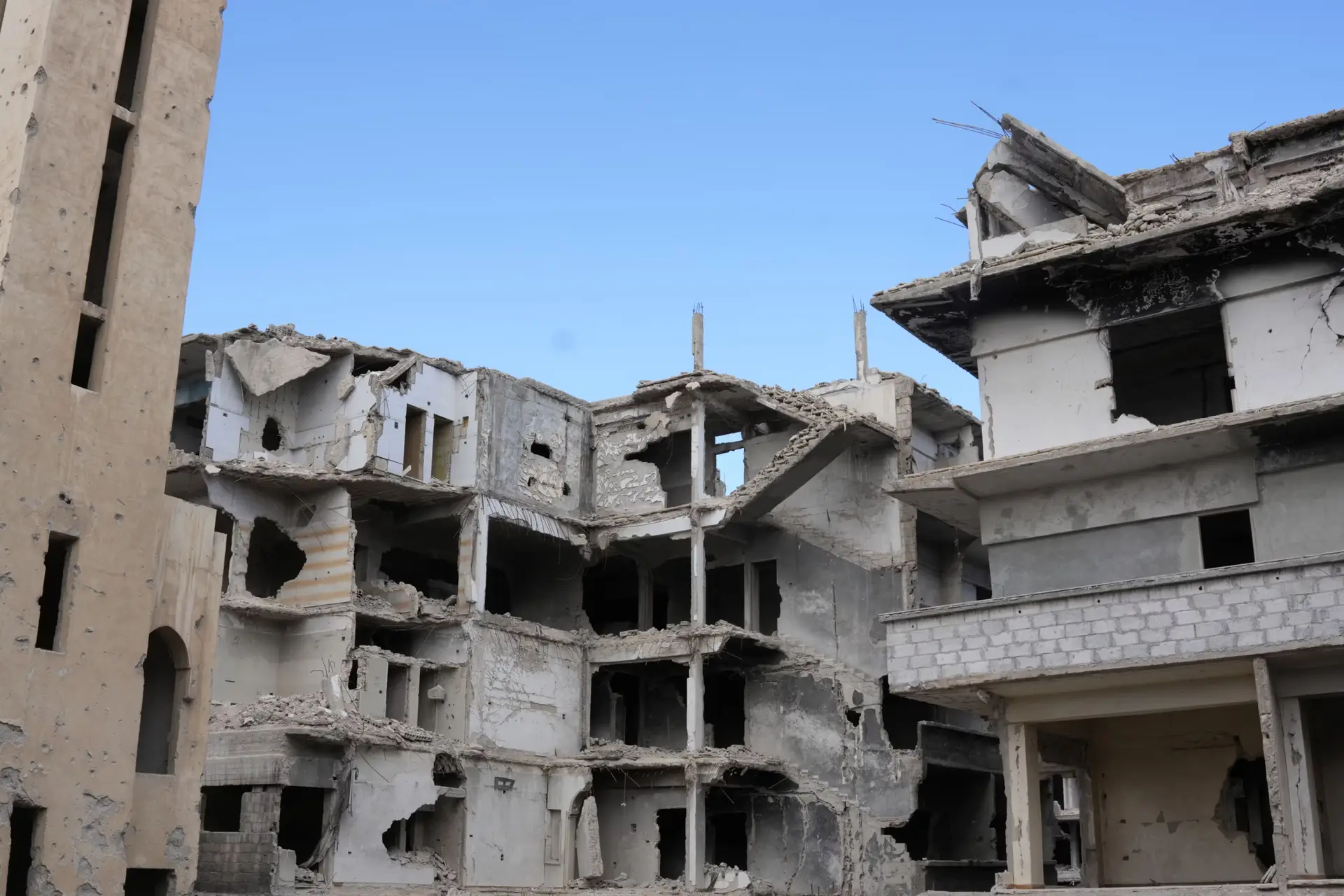
The sudden detonation of an explosive device in a crowded Damascus cafe on a Thursday afternoon provides a stark demonstration that the overthrow of a dictator does not automatically yield a functioning state. The blast, which killed at least six people and injured 22 others, ripped through an outdoor terrace in the central Hejaz district. Located a mere hundred metres from the Palace of Justice, the location of the attack offers a rather bitter irony for a city desperate to establish the rule of law.
Syrian state media confirmed that the bomb had been deliberately planted inside the establishment. The immediate aftermath was captured in graphic social media footage, displaying motionless bodies scattered across the terrace. Mohammed al-Dahabi, who runs a nearby glasses shop, recounted feeling a massive pressure wave before witnessing a scene of severe carnage that recalled the darkest days of the civil war. So far, no organisation has claimed responsibility for the massacre.
This absence of a clear perpetrator highlights the crowded gallery of violent factions currently operating within the Syrian power vacuum. Past incidents have seen authorities point the finger at the Islamic State, even when obscure jihadist outfits like Saraya Ansar al-Sunnah eagerly claimed the credit. The current interim government, led by President Ahmed al-Sharaa, finds itself in a perpetual struggle to project authority beyond the heavily fortified perimeters of its own ministries. Since the Islamist-led rebel coalition ousted Bashar al-Assad in December 2024, the promised era of peace has largely failed to materialise.
Instead of reconstruction and economic normalisation, the country is plagued by deadly sectarian clashes pitting government forces against Alawite and Druze religious minorities. The central administration appears fundamentally incapable of monopolising the use of force, a basic prerequisite for any functional state. Damascus Governor Maher Marwan Idlibi surveyed the wreckage and declared that those responsible for the bloodshed would be punished. He further stated that each time the country sees a period of stability, malicious parties try to destabilise it.
Such official rhetoric rings hollow when explosive devices can be casually left in cafes adjacent to major government buildings. Stability is not a natural state of affairs that bad actors occasionally interrupt; it is an outcome systematically engineered by competent governance and robust security apparatuses. Until the interim leadership transitions from managing daily crises to actually governing a fractured society, the Syrian capital will remain a theatre for violent political expression. The real tragedy is that Thursday's victims were simply trying to enjoy a coffee in a city that still does not know how to be at peace.
Written by Sandy van Dongen sandy.vandongen@alpineweekly.com