Aug 26, 6:01 AM
The General’s Peace Terms
Armed with fresh victories and a wave of enemy defections, Abdel Fattah al-Burhan offers a dialogue structured entirely around military dominance.
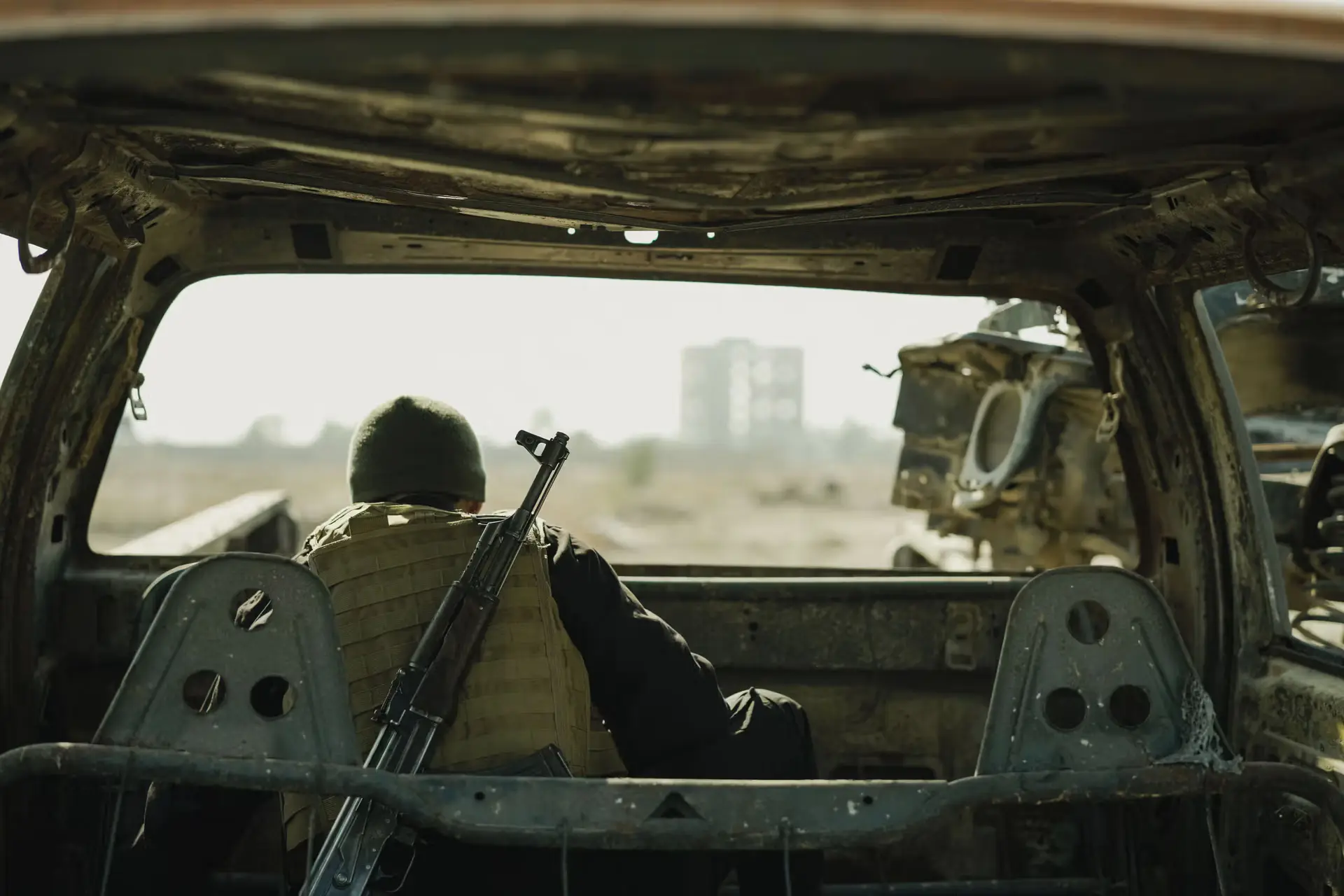
When a military commander offers legal immunity and proposes an independent national dialogue, one ought to look immediately at the map. General Abdel Fattah al-Burhan, head of the Sudanese Armed Forces and sovereign council chief, has not experienced a sudden conversion to democratic process. He has simply noticed that his troops are finally making progress against the Rapid Support Forces.
In North Kordofan, the army has retaken positions such as Bara, Jabra al-Sheikh, and Umm Sayala, securing the national Exports Road. By taking control of this arterial route connecting Khartoum and Omdurman to el-Obeid, the military has begun suffocating the paramilitary group's supply chains. Battlefield pressure has a habit of eroding loyalty, and predictable results have followed.
Defections from the RSF are mounting. Hundreds of combatants, including field commanders, have crossed over with dozens of combat vehicles in tow. While a few hundred defectors hardly signal the immediate collapse of Mohamed Hamdan Dagalo's paramilitary enterprise, they do indicate a fraying edge. When fighters start surrendering their hardware, they are usually calculating that the trajectory of the war has changed.
This shifts the context for al-Burhan’s political posture. His announcement offering temporary legal immunity and guarantees for dialogue participants sounds statesmanlike, provided one reads the conditions. Criminal proceedings against attendees will be suspended, but the general remains uncompromising on the fundamental premise: the RSF must vacate urban centers and assemble in designated areas before any meaningful peace is discussed. Naturally, Dagalo and his inner circle are excluded from this envisioned future.
Malik Agar, al-Burhan’s deputy on the sovereignty council, put the strategy plainly when he noted that the immediate path remains military, even if all wars eventually conclude at a table. In Agar’s view, the failure of political elites to handle Sudan’s regional and cultural diversity underpins the broader crisis, yet the government's tactical calculus remains straightforward: military pressure creates political leverage.
What al-Burhan is running is not a peace process in the conventional sense, but an invitation to terms dictated by battlefield advantage. If the military can maintain its grip on key roads and squeeze RSF cohesion further, it will not need to negotiate an equal compromise. It will simply write the rules for the post-war order and ask the remaining political factions to sign on the line.
Written by Thorben Thiede thorben.thiede@alpineweekly.com