Oct 6, 8:02 PM
The Cracks in the Magdeburg Wall
The election of Saxony-Anhalt's parliamentary speaker exposes the fragility of Germany's political taboos.
The German political establishment has spent years convincing itself that moral decrees can permanently override parliamentary arithmetic. In Magdeburg, that comfortable belief met reality as the regional Landtag elected its new speaker. Tobias Rausch, a 35-year-old estate agent and ten-year veteran of the assembly, secured the position for the Alternative for Germany (AfD), becoming the first member of his party to hold such an office in post-war history.
The role itself is primarily administrative and ceremonial—governing debate protocols, managing access to the parliament building, and representing the body on official occasions. Yet the mechanics behind Rausch’s victory carry weight. Falling short of an absolute majority in the recent election, the party needed external backing to cross the threshold. It found nine additional votes in the 83-seat chamber. Five arrived courtesy of Sahra Wagenknecht's BSW, but four others came from anonymous representatives, widely suspected to belong to Friedrich Merz’s Christian Democratic Union (CDU), whose leadership had explicitly forbidden any form of cooperation.
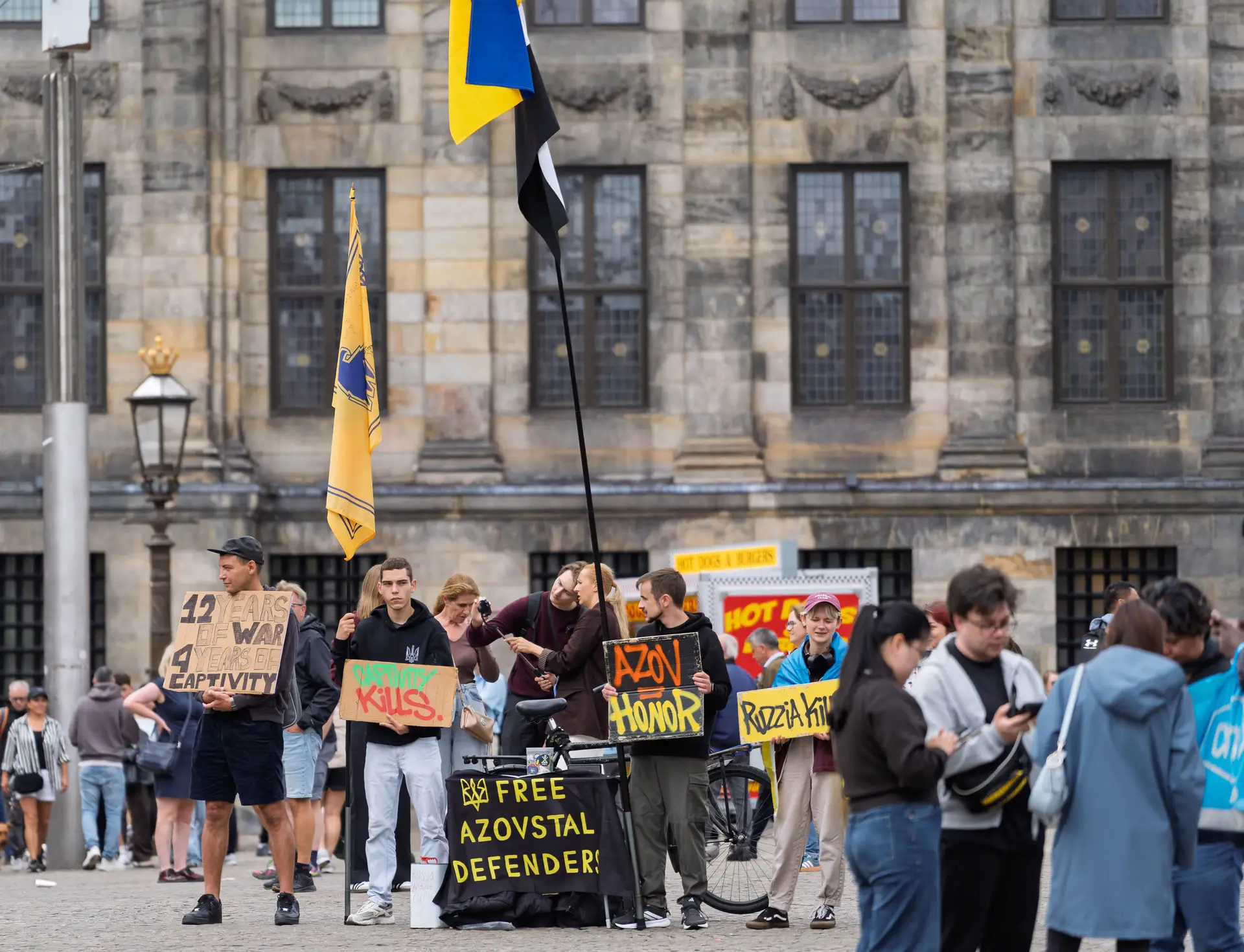
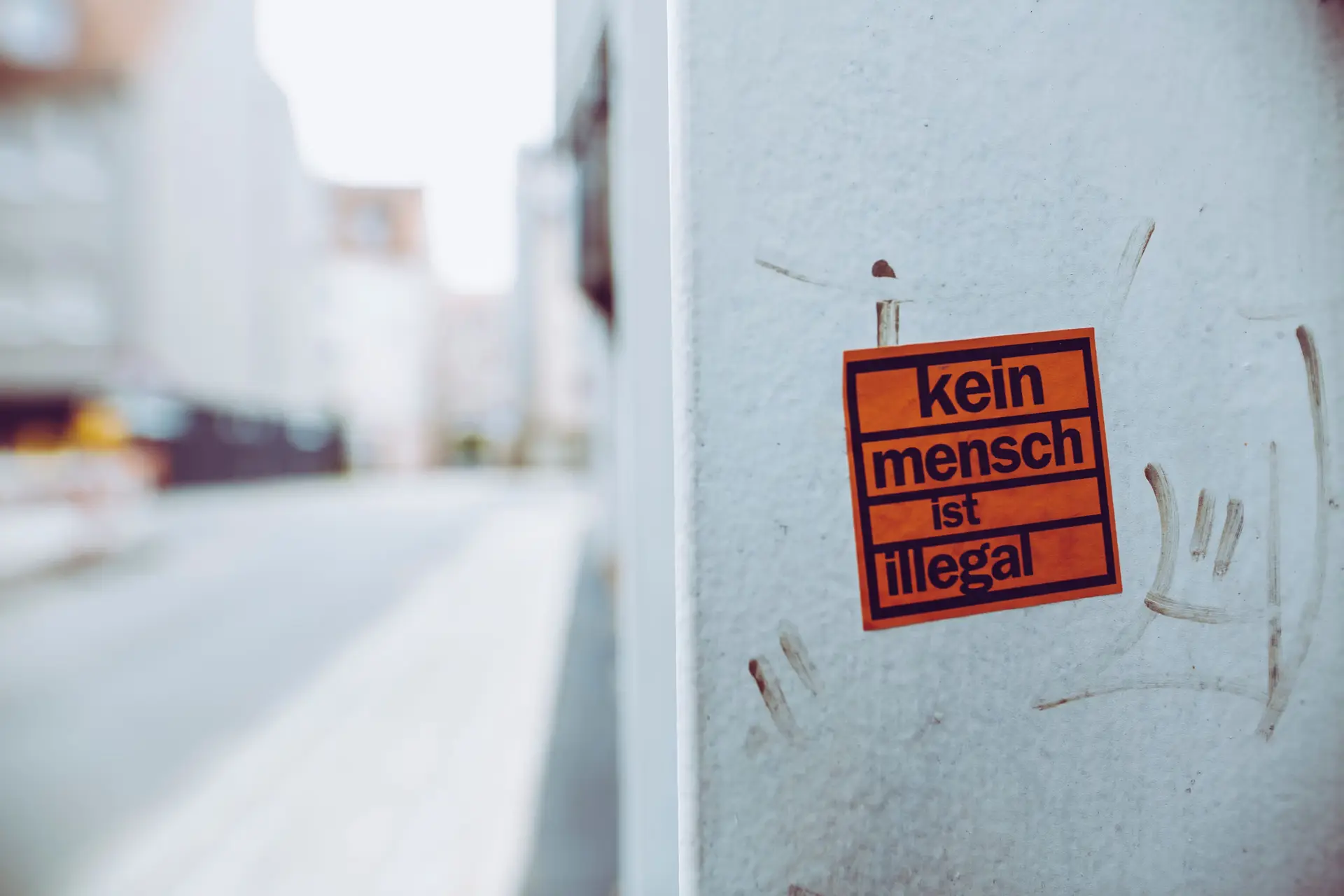
Outside the parliament, three hundred demonstrators gathered with banners protesting the result. Inside, Green party faction leader Susan Sziborra-Seidlitz proclaimed that a line had been crossed, declaring: We will not let ourselves be intimidated, and we will not sit by when rights are curtailed either here or for people in the state. Such rhetoric highlights the growing disconnect between establishment panic and regional legislative dynamics.
Following his election, Rausch noted that the days of political firewalls should be a thing of the past. That claim will face an immediate test in December, when local AfD figure Ulrich Siegmund attempts to gather forty-two votes to secure the position of state premier. Even as domestic intelligence agencies label the regional party branch as right-wing extremist, the party successfully negotiated a move from the physical right fringe to the center of the legislative chamber before the vote. Mandates issued from party headquarters in Berlin are proving increasingly difficult to enforce when local politicians enter the secrecy of the voting booth.
Written by Thorben Thiede thorben.thiede@alpineweekly.com