
Oct 14, 2:02 PM
The Cost of Hesitation in the Gulf
Tehran’s calculated escalation in Yemen forces Saudi Arabia and its allies to choose between regional military cohesion and economic stagnation.
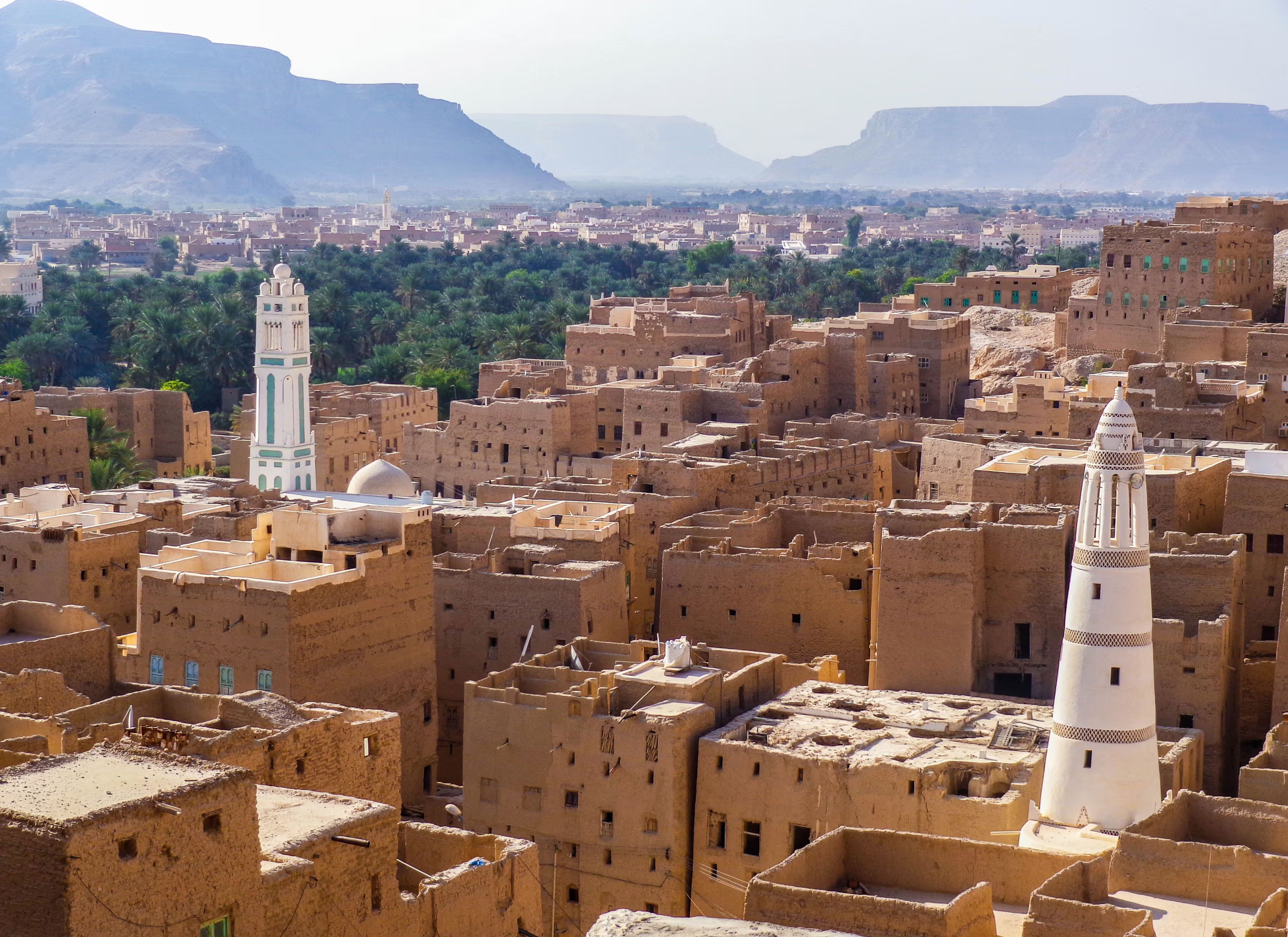
When civilian airports become regular targets and casualties mount into the hundreds, tacit rules of engagement cease to exist. The escalation by Iran-backed Houthi forces against Saudi civilian infrastructure marks a calculated shift. Tehran appears content to exploit the conflict to heighten regional tensions ahead of upcoming American midterm elections. For Saudi Arabia and its allies, managing a low-intensity conflict is no longer a viable option, leaving a choice between decisive collective intervention or an endlessly draining war of attrition.
From an economic perspective, a prolonged stalemate is the worst outcome for the Arabian Peninsula. Saudi Arabia’s ambitious national development plans rely heavily on capital allocation that cannot easily coexist with skyrocketing defense expenditures. Should internal divisions prevent the coalition from acting, Houthi forces will likely hold their positions, pressure strategic nodes like Taiz, and maintain direct strikes on Saudi territory. The economic fallout would ripple across neighboring Gulf states, while continued instability along Red Sea shipping corridors and the Strait of Hormuz threatens vital energy exports. In such a deadlock, Iran emerges as the primary beneficiary, gaining leverage in international negotiations.
Avoiding this scenario requires a cohesive defense architecture, something the region has historically struggled to maintain. Riyadh is actively attempting to mobilize a broader front, leveraging the Mecca Pact signed with Turkiye and Pakistan. With Turkish parliamentary ratification pending for military deployment, and intelligence support already underway, the structural outline of a stronger alliance exists. Most Gulf neighbors, with the probable exception of Oman, recognize the shared danger. However, relying on Washington for intervention remains an uncertain calculus, as military engagements in the Middle East remain unpopular among American voters ahead of the midterms.
Ultimately, military hardware and international agreements mean little if the political center in Yemen remains fractured. The primary obstacle to recapturing Sanaa and securing vital coastlines near Bab al-Mandeb and Dhubab has long been internal infighting among government factions, compounded by external interference. Recent steps to centralize military command have shown preliminary progress on the ground. Opening multiple operational fronts to stretch Houthi lines demands sustained political discipline.
Should military pressure successfully force Houthi leadership back to the negotiating table, coalition strategists would do well to remember past patterns. Short-term concessions from the group have historically served as tactical breathers to regroup rather than genuine moves toward peace. Without a unified regional effort capable of altering the military balance, the conflict risks settling into a permanent, costly drag on the region.
Written by Christiane Hofreiter christiane.hofreiter@alpineweekly.com