Oct 30, 7:00 PM
The Circuitous Route: What a Five-Kilometer Evacuation Says About Modern Warfare
A localized ceasefire in southern Ukraine enables a rare joint humanitarian effort, though its political significance remains strictly limited.
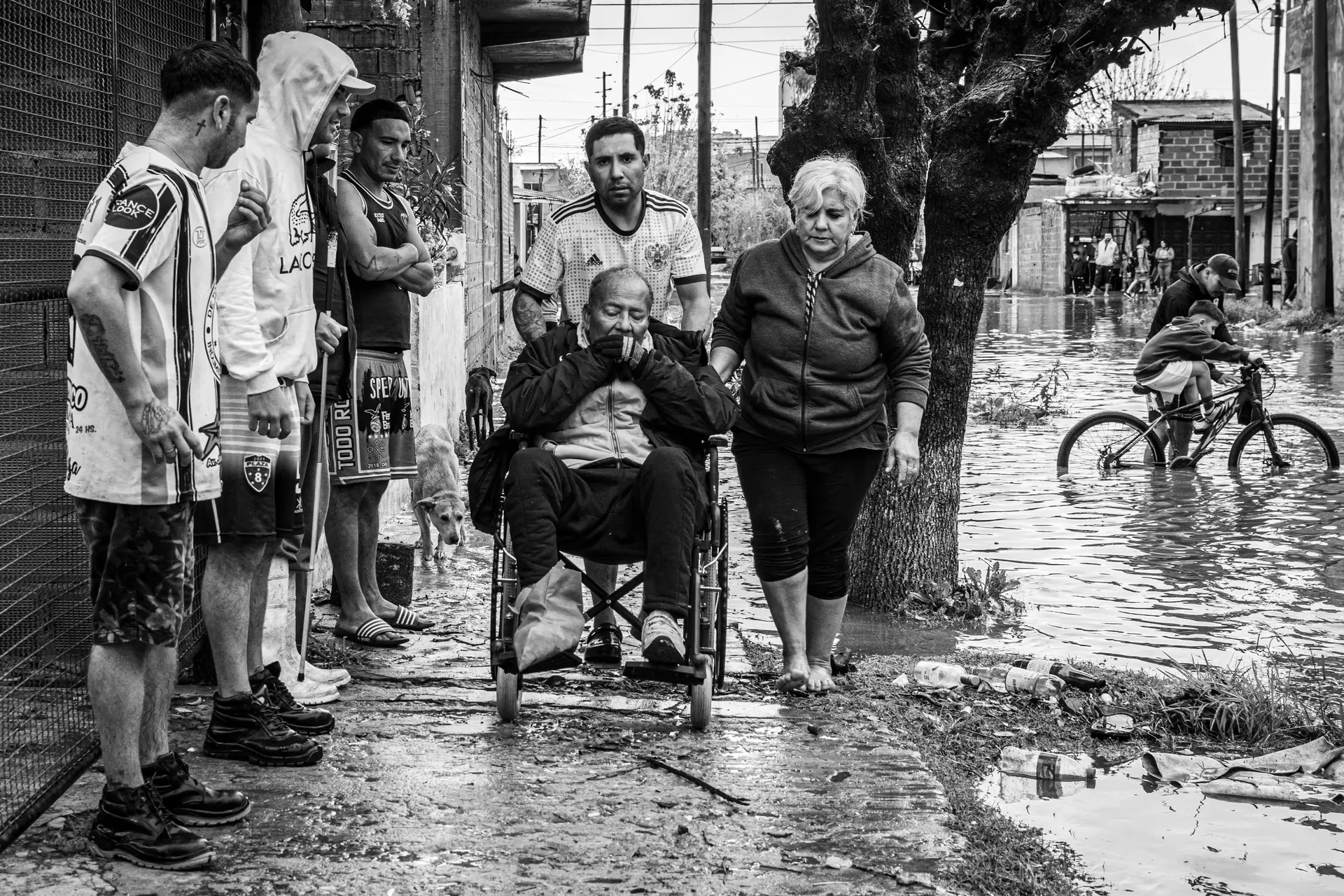
To travel five kilometers across the Dnipro River from Oleshky to Ukrainian-controlled territory, a civilian today cannot simply cross a bridge. Instead, the route leads through the southern Russian city of Anapa, onto a flight to Belarus, and finally across the border into Ukraine's Chernihiv region. This logistical detour forms the reality of the first joint humanitarian relief operation in the area after nearly five years of conflict.
The operation, coordinated under a temporary ceasefire in the southern Kherson region, saw a convoy of 25 buses and ambulances enter Oleshky to deliver food and medicine. According to local reports and Ukrainian officials, around 500 people prepared to leave, though several hundred mostly older residents chose to remain in the city. Total resident numbers in Oleshky have fallen from pre-war levels to roughly 2,000 people, including approximately 50 children.
The mechanics on the ground required unprecedented coordination between opposing sides. Ukrainian human rights ombudsman Dmytro Lubinets and his Russian counterpart, Yana Lantratova, met at the location to coordinate logistics. De-mining units cleared designated corridors, permitting the transit of civilians who have faced prolonged shortages of basic provisions and medical supplies. Ukrainian officials confirmed that those opting to move to Ukrainian territory were routed through Russia and Belarus.
While former US First Lady Melania Trump claimed involvement in brokering the truce, Moscow was quick to temper broader geopolitical expectations. Kremlin representatives characterized the localized agreement as an isolated case that was difficult to extrapolate to wider peace negotiations. The statement reflects a pragmatic reality: practical local accommodations do not necessarily signal systemic diplomatic breakthroughs.
Oleshky has been under Russian control since the early stages of the military campaign in February 2022. The town suffered widespread infrastructure damage, exacerbated by severe flooding following the destruction of the Kakhovka dam in June 2023. Volunteers and former residents report that Russian military personnel maintain a heavy presence in the area, occupying vacant properties and encouraging remaining civilians to relocate toward Russia.
For the remaining population, survival has long depended on perilous journeys along mine-laced roads for basic sustenance. While the arrival of aid supplies and a momentary lull in combat offer immediate relief, the broader strategic standoff remains firmly entrenched. The temporary opening of a transit corridor through two neighboring nations serves as a monument to administrative necessity in an otherwise uncompromising confrontation.
Written by Thorben Thiede thorben.thiede@alpineweekly.com