
Oct 20, 4:01 PM
The Brutal Economics of Escalation in Yemen
As missile strikes and coalition counteroffensives intensify, three million people face systemic infrastructure collapse in Taiz.
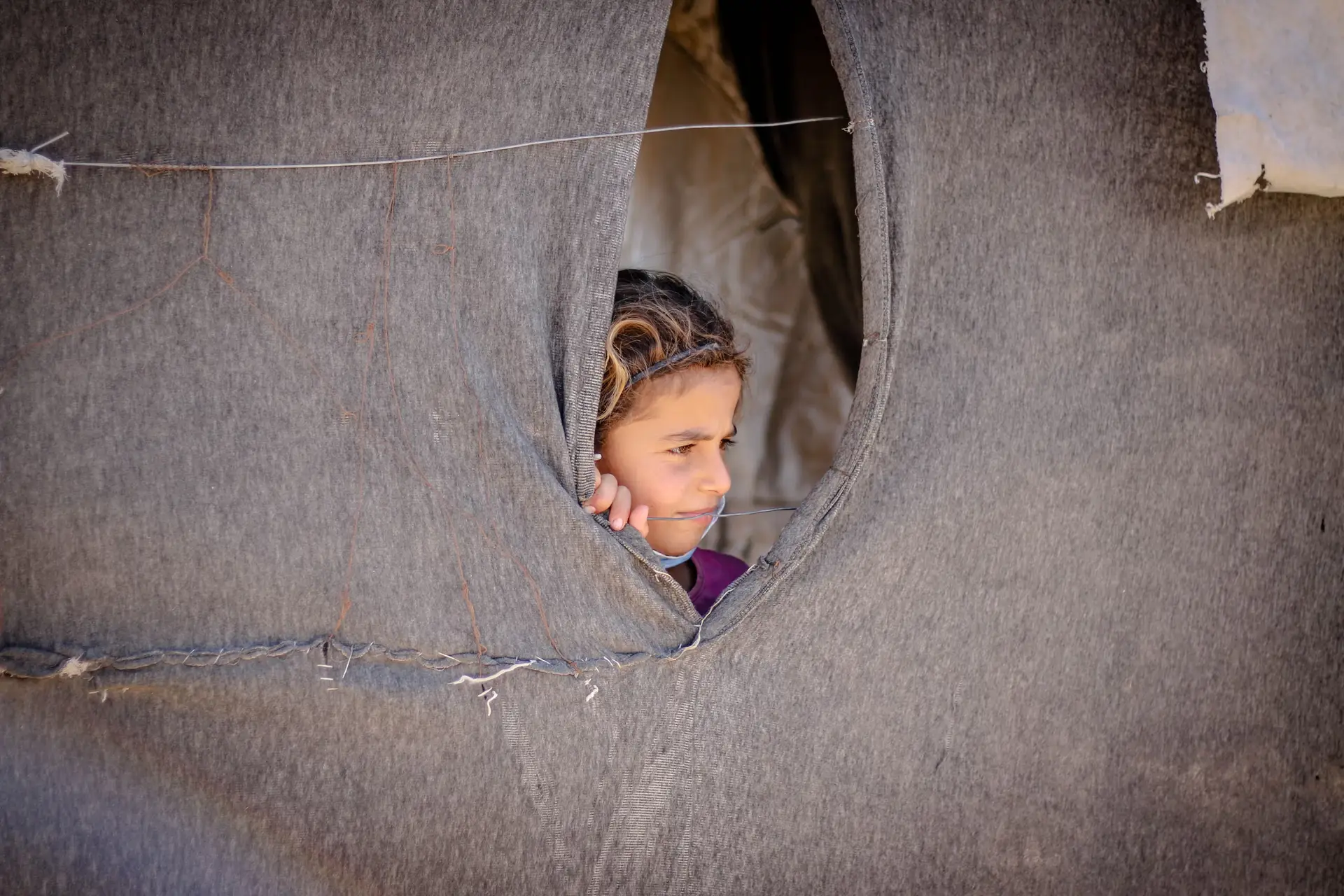
While military strategists in Riyadh and London draw up defensive perimeters, the actual math of the Yemeni civil war is being calculated in litres of water and numbers of tents. Since the reignition of hostilities in July, more than 250,000 Yemenis have been uprooted from their lives. The predictable diplomatic ritual has already begun: UN officials assemble in the comfortable tranquility of Geneva to report catastrophic shortfalls in humanitarian funding.
The southwestern city of Taiz sits at the heart of this latest disaster. Besieged by Houthi forces since early October, the municipality accounts for over three-quarters of all recent departures while simultaneously trying to absorb more than half of the newly displaced population. The essential access corridor connecting Taiz to Aden, the government’s interim capital, remains blocked. For the three million residents who rely on the city's fragile municipal systems, including 1.6 million children, the threat is no longer merely incoming artillery. Fighting and severe fuel shortages now threaten to collapse the entire local water grid, leaving tens of thousands of families without the most fundamental necessity of life.
This humanitarian squeeze is the direct consequence of a rapidly expanding military chess game. Government forces, heavily supported by Saudi Arabia, launched Operation Dawn of Yemen in an ambitious bid to reclaim territory lost since 2014, including the capital city of Sanaa. That offensive followed a series of aggressive Houthi maneuvers along the Red Sea coast and a declared blockade of Saudi ports. The coalition claims substantial tactical progress, reporting the destruction of 127 Houthi weapons depots and missile launch sites. Yet the Houthis show no intention of backing down, expanding their strike radius deep into Saudi territory.
The international dimensions of the conflict continue to widen. The United Kingdom recently announced the deployment of Royal Air Force Typhoon warplanes to aid Saudi Arabia in a strictly defensive capacity. Meanwhile, the lethal efficiency of long-range weaponry continues to tear through vulnerable targets on the ground. A single Houthi ballistic missile strike on a security training camp in Shabwa governorate left at least 58 dead, overwhelming medical facilities in Ataq with severe shortages of blood supplies. Retaliatory strikes around Taiz followed almost immediately, ensuring that the cycle of violence remains unbroken.
What remains is a familiar paradox of modern regional conflicts. High-tech jet fighters patrol the skies to secure energy corridors and strategic partners, while aid organizations struggle to secure multi-purpose cash assistance for 33,700 unsheltered families. When municipal infrastructure collapses and human displacement becomes a tactical leverage point, can international aid ever do more than lightly subsidize the costs of an endless war?
Written by Freya Stensrud freya.stensrud@alpineweekly.com