Jul 15, 6:02 PM
The Baltic Drumbeat: Infrastructure Alarms and the Push for Militarisation
Lithuania and Latvia warn of impending Russian attacks, amplifying calls for increased security measures across the region.

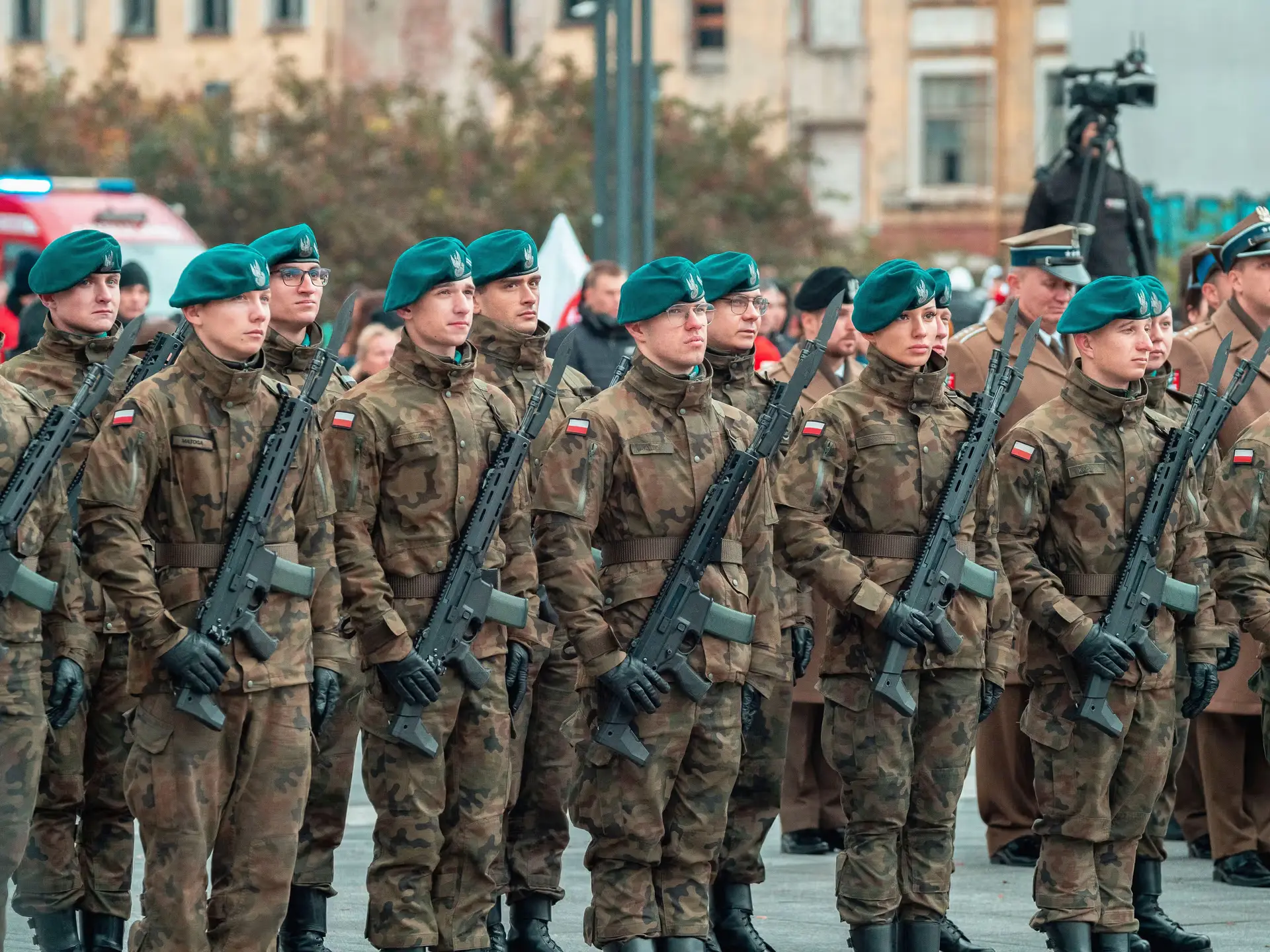
The political leadership in Vilnius and Riga has issued stark warnings regarding regional security, a familiar posture for nations bordering the current conflict. In a recent joint appearance, Lithuanian President Gitanas Nauseda and his Latvian counterpart, Edgars Rinkevics, announced that Russia is actively planning strikes against critical transport and energy infrastructure across the Baltic states and Poland. According to these politicians, intelligence reports suggest a coordinated effort aimed at crippling regional energy grids, with Nauseda noting that such planning is occurring at the highest levels in Moscow.
Rinkevics suggested that the intention behind these potential provocations is to test the mutual defence mechanisms of the North Atlantic Treaty Organisation, specifically Article 5, as well as European Union response protocols. This anticipated testing of the alliance is framed as an indirect consequence of the ongoing war in Ukraine. The Baltic leaders insist that their nations, alongside Estonia and Poland, must be prepared for attempts to probe NATO's collective security resolve.
Poland has echoed these regional anxieties. Prime Minister Donald Tusk recently warned that various types of escalation can be expected in the near future, describing the current security environment as highly unstable. Baltic and Polish authorities have already attributed several recent incidents, including arson, cyber interference, and railway disruptions, to Russian actors, cementing a narrative of persistent hybrid warfare.
Vilnius has already responded to the perceived threat by fortifying the protection of its energy and transport networks. The financial toll of this heightened state of alert is substantial. Lithuania, which borders both Russia and its ally Belarus, currently allocates 5.33 percent of its gross domestic product to defence spending, making it the alliance's highest relative spender. For a small state, dedicating such a massive share of capital to military readiness underscores the profound economic impact of the region's security policies.
In Moscow, the assertions from the Baltic states were dismissed outright. Kremlin spokesman Dmitry Peskov characterised the warnings as an attempt to manipulate public opinion. This is just another fresh batch of scare stories designed to keep the brainwashing going and prepare the population for further militarisation, he stated.
As the conflict in Ukraine continues, the rhetoric emanating from the Baltic Sea coast remains focused on potential spillover effects. The continuous lobbying for heightened security measures highlights a political class firmly committed to a militarised future, ensuring that defence budgets remain the paramount priority in the region.
Written by Christiane Hofreiter christiane.hofreiter@alpineweekly.com