
Jul 27, 6:01 AM
The Attrition of the Skies: Drones and Missiles Dictate the Pace in Ukraine and Russia
Both Kyiv and Moscow report mounting civilian casualties as the deployment of short-range munitions intensifies.
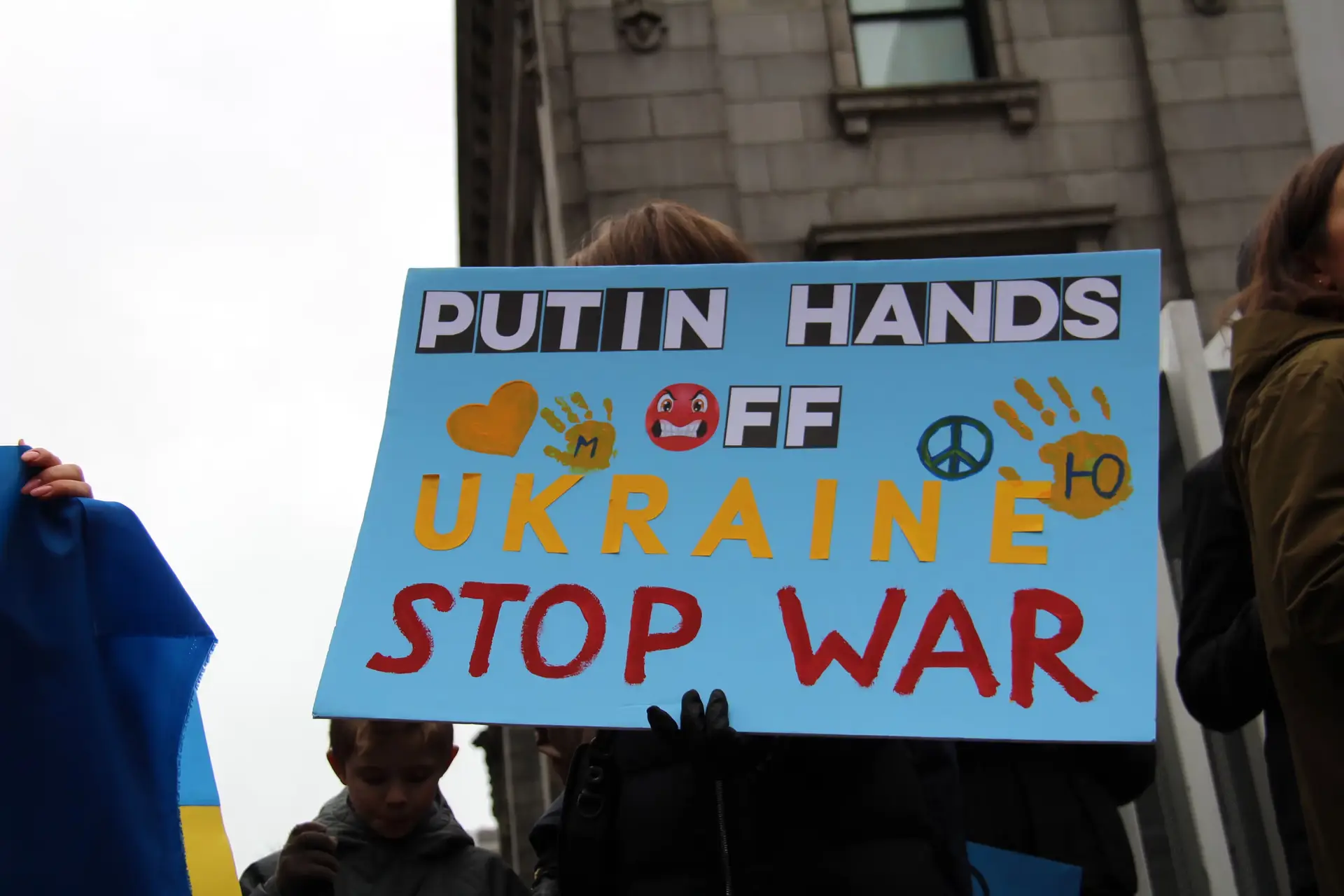
The geometry of the conflict in Eastern Europe has reduced itself to a daily exchange of unmanned aerial vehicles and guided munitions. Over the weekend, authorities in Kyiv and Moscow reported lethal strikes across urban centres, resulting in at least ten civilian fatalities. The pattern remains strictly reciprocal: both belligerents launch barrages at logistics hubs, both deny targeting non-combatants, and both routinely tally the collateral damage.
According to the Ukrainian air force, the overnight bombardment involved seven ballistic missiles and 136 drones. In Chernihiv, local officials stated that a Russian drone struck a supermarket, resulting in two deaths, including a nine-year-old girl, and wounding twenty-five. Ukrainian President Volodymyr Zelenskyy released an official statement calling the incident a deeply cynical drone strike on an ordinary supermarket and characterising the campaign as deliberate Russian terror with absolutely no military justification.
The strikes affected multiple municipalities. In Kharkiv, a daytime drone attack left one person dead and sixteen injured, according to the local mayor. The regional governor of Zaporizhzhia reported that a glide bomb killed one resident and injured six. In Kyiv, Mayor Vitali Klitschko confirmed that missile debris ignited a fire in a central apartment complex, wounding three individuals. In Sloviansk, the energy company Naftogaz reported the loss of two employees who were struck while assisting residents after an initial bombardment.
Simultaneously, Russian authorities detailed parallel aerial incursions. In Horlivka, located in the Russian-controlled sector of the Donetsk region, the Russian-installed mayor stated that a Ukrainian drone strike killed four civilians. He subsequently reported that a secondary drone struck an emergency vehicle, injuring three medical personnel and a resident. In the Russian city of Belgorod, regional authorities indicated that a Ukrainian drone injured at least twelve people. These reports follow a statement from Moscow claiming a Ukrainian strike on an Azov Sea town resulted in twelve fatalities the previous day.
The technological evolution of this conflict has generated a measurable demographic cost. United Nations data for the first half of 2026 indicates a sharp escalation in non-combatant casualties. UN officials record 1,396 civilians killed and 7,978 wounded in Ukraine during this period, while Russian figures stand at 250 dead and 1,596 injured. Military analysts attribute this statistical surge to the proliferation of short-range drones, glide bombs, and sustained targeting of critical infrastructure.
Diplomatic avenues remain obstructed. United States-led negotiations aimed at halting the hostilities have stalled completely. The Russian government, which administers significant portions of eastern and southern Ukraine, maintains its stated objective of securing the remainder of the eastern territories by force. Until the political calculus shifts, the airspace over these contested regions will remain highly active.
Written by Sandy van Dongen sandy.vandongen@alpineweekly.com