
Oct 20, 2:02 PM
Tents, Tears, and the Limits of Street Activism in Lisbon
Police evictions of illegal housing camps in Lisbon and Porto show that public order cannot be traded for revolutionary nostalgia.
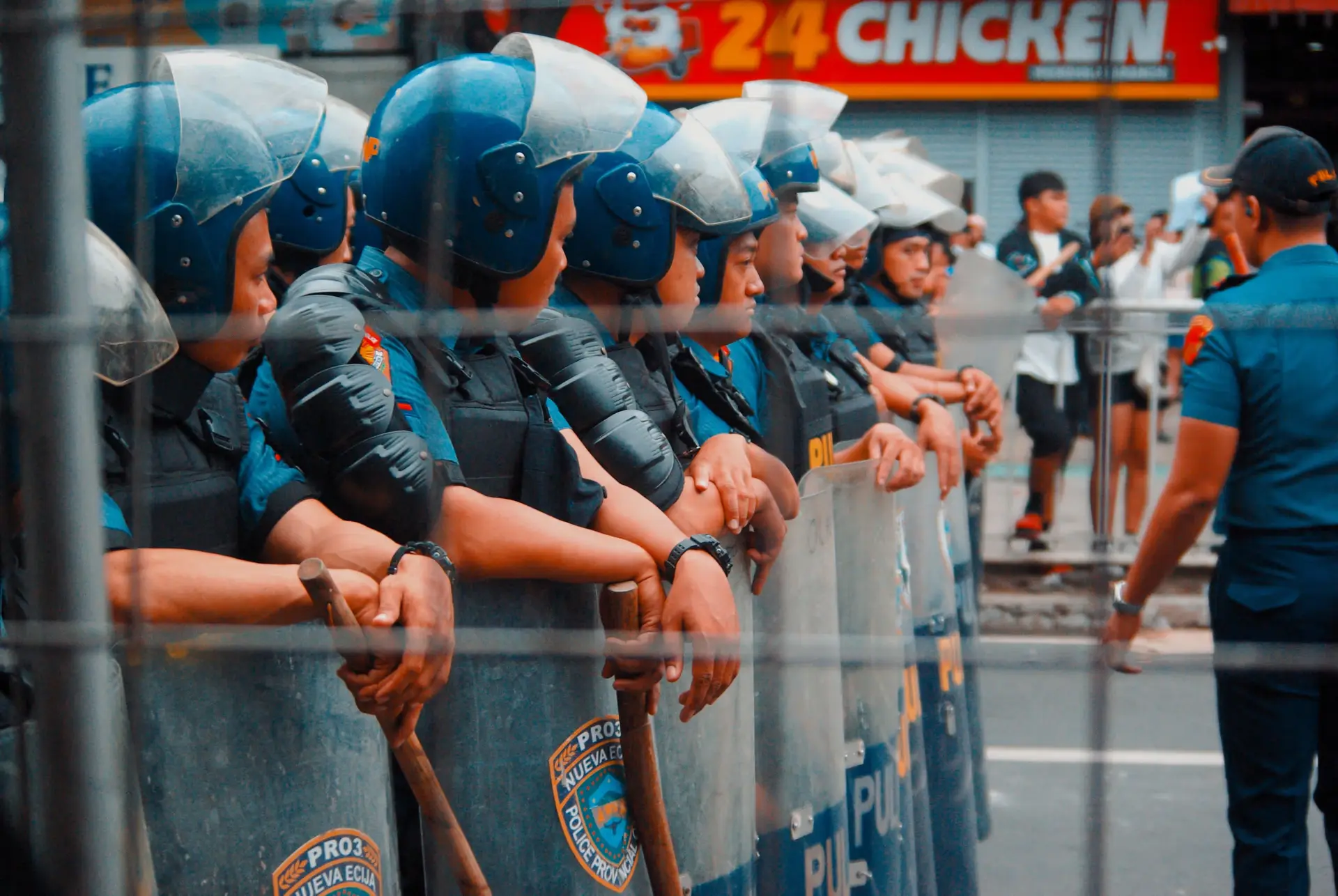
Pitching nylon tents in historic city centres has become the preferred theatrical gesture for Europe’s disaffected. In Lisbon and Porto, however, municipal authorities recently reminded activist groups that urban public space is neither a campsite nor a lawless zone exempt from basic civil regulations.
Just before six in the morning on Tuesday, officers from the Public Security Police arrived at Lisbon’s Rossio Square and Porto’s Praça D. João I to enforce a basic principle of governance: public order. Given barely ten minutes to pack up their unauthorized encampments, the occupiers in Porto chose the sensible path, packing their gear and dispersing without drama. Police there subsequently installed metal barriers to ensure the square remains accessible to all citizens rather than monopolised by a few.
Lisbon, predictably, offered more resistance. Activists formed human chains, threw objects at law enforcement, and forced the police’s Special Unit to deploy batons. By the time municipal cleaning crews moved in, officers had arrested 55 individuals and confiscated 228 camping structures. Activists claimed thirty people were injured during the clearing, a figure that routinely surfaces whenever illegal occupations meet standard legal enforcement.
Retreating to the nearby Praça da Figueira, the remaining demonstrators fell back on familiar ideological tropes. Singing "Grândola, Vila Morena"—the historic anthem of the 1974 Revolution—and threatening to occupy the residence of Prime Minister Luís Montenegro, the crowd demanded the immediate release of their detained colleagues and the return of their seized camping equipment.
Yet romanticizing street occupations does little to resolve the real estate pressures in Portugal’s expanding economy. While rising demand presents genuine challenges in dynamic European capitals, turning central plazas into permanent squatter camps is not a viable housing policy. A popular assembly of the movement voted to remain in Praça da Figueira and called for renewed gatherings at Rossio, insisting their crusade will continue until housing is guaranteed for everyone.
Law enforcement, meanwhile, offered a concise summary of the legal process. Police confirmed that the individuals taken into custody were brought to police facilities and will be brought before the competent judicial authority as soon as possible.
Whether evening rallies can sustain the activists' momentum is open to question. What is clear, however, is that state authorities under Montenegro are unwilling to surrender public space to the rhetoric of the street.
Written by Thomas Nussbaumer thomas.nussbaumer@alpineweekly.com