
Oct 8, 10:01 AM
Tactical Retreat: New South Wales Police Attempt to Lock Out Public Scrutiny
Mal Lanyon’s last-minute legal maneuver to shield an inquiry into protest policing behind closed doors exposes a troubling institutional instinct.
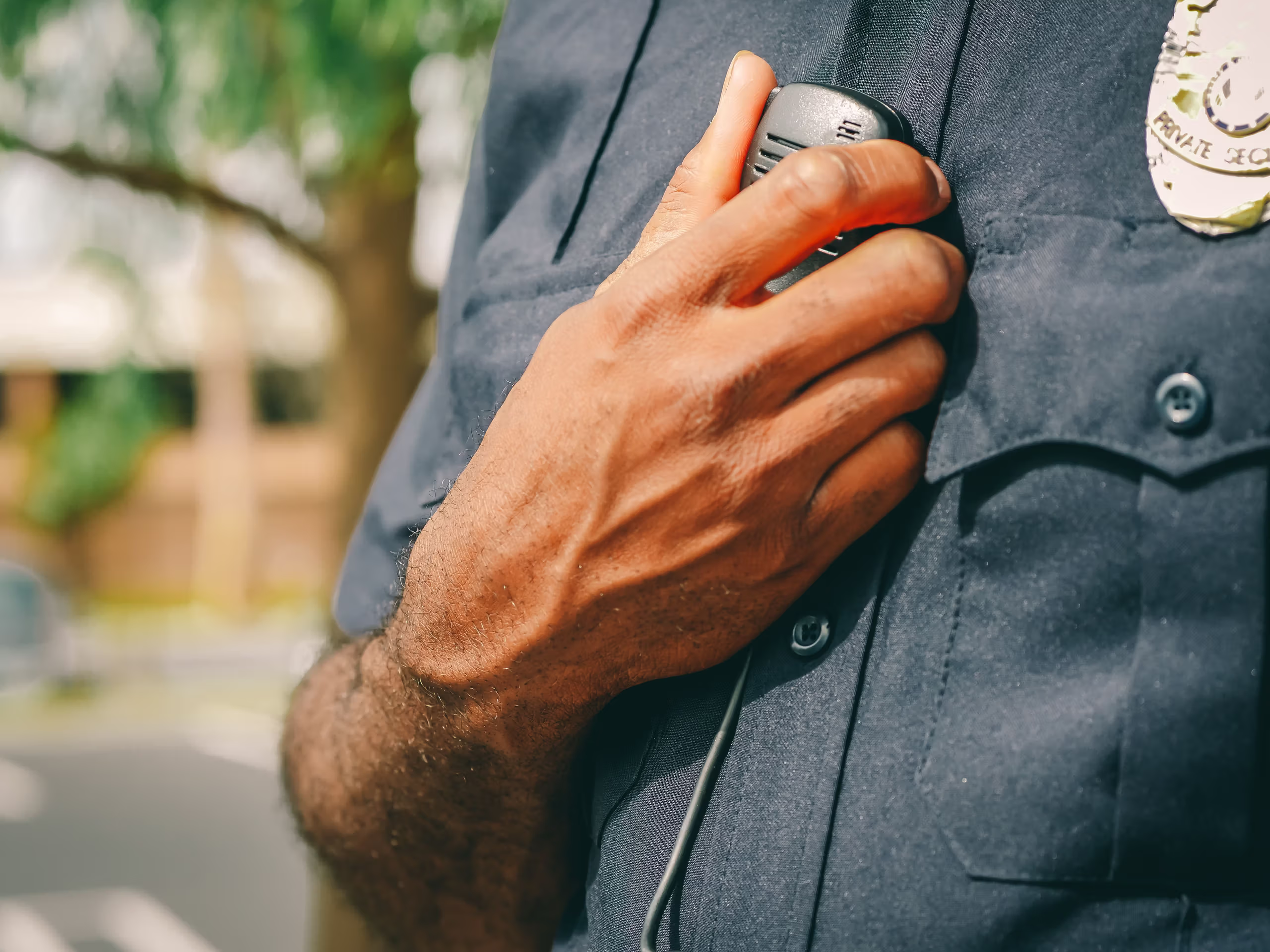
When state authorities face uncomfortable scrutiny, the reflexive desire to pull down the blinds is rarely subtle. The New South Wales Police Force has offered a textbook demonstration in institutional shyness, delaying a long-awaited oversight inquiry through a last-minute legal maneuver designed to keep the public out of the hearing room.
At issue is Operation Makalu, the Law Enforcement Conduct Commission’s investigation into a chaotic anti-Herzog demonstration outside Sydney Town Hall on 9 February. That evening left ten officers and numerous demonstrators injured, generated over 800 complaints, and produced video footage showing officers punching protesters and grabbing Muslim worshippers at prayer. Thirty people were subsequently charged, though four cases have already been dropped. One demonstrator has since launched a civil lawsuit alleging assault, battery, and false imprisonment.
Despite the intense public interest and the series of official statements issued immediately after the event, Police Commissioner Mal Lanyon instructed legal representatives to intervene on 9 September. This was barely two weeks before public hearings were scheduled to commence. His lawyers argued that the watchdog lacked the statutory power to hear broad public opening submissions, insisting that witness examinations occur in private without live streaming.
This eleventh-hour strategy successfully derailed the planned 21 September start date. LECC Chief Commissioner Peter Johnson SC was forced to pause proceedings, describing the timing of the police request as more than regrettable due to the associated cost, disruption, and inefficient use of public resources.
The maneuver highlights a striking double standard. Senior police leadership appeared entirely comfortable broadcasting an official narrative through the media directly after the protest. Yet, when an independent commission prepared to test those assertions in open court, the police executive discovered a sudden preference for confidentiality. Counsel assisting the commission observed that public statements made by senior police only heightened the necessity of independent scrutiny.
A compromise has now been reached. The oversight body will open proceedings publicly on 19 October before conducting five weeks of private examinations to establish basic factual matters regarding capsicum spray, arrest powers, and operational planning. Only after these private sessions conclude will senior officers face public examination on broader systemic issues.
This friction is not an isolated incident. The commission previously noted that police leadership had become overly defensive during investigations, describing the working relationship between the two agencies as difficult. While police representatives maintain they have complied with legal requirements in a cooperative manner, the attempt to suppress public examination of police conduct suggests a deeper reluctance to accept external accountability.
Written by Thomas Nussbaumer thomas.nussbaumer@alpineweekly.com


