Oct 6, 6:01 PM
Swiss Nuclear Ban Defended with Inflatable Towers and Ideological Faith
A broad coalition delivers over 131,000 signatures to keep new reactors illegal, brushing aside Switzerland's winter power deficit.
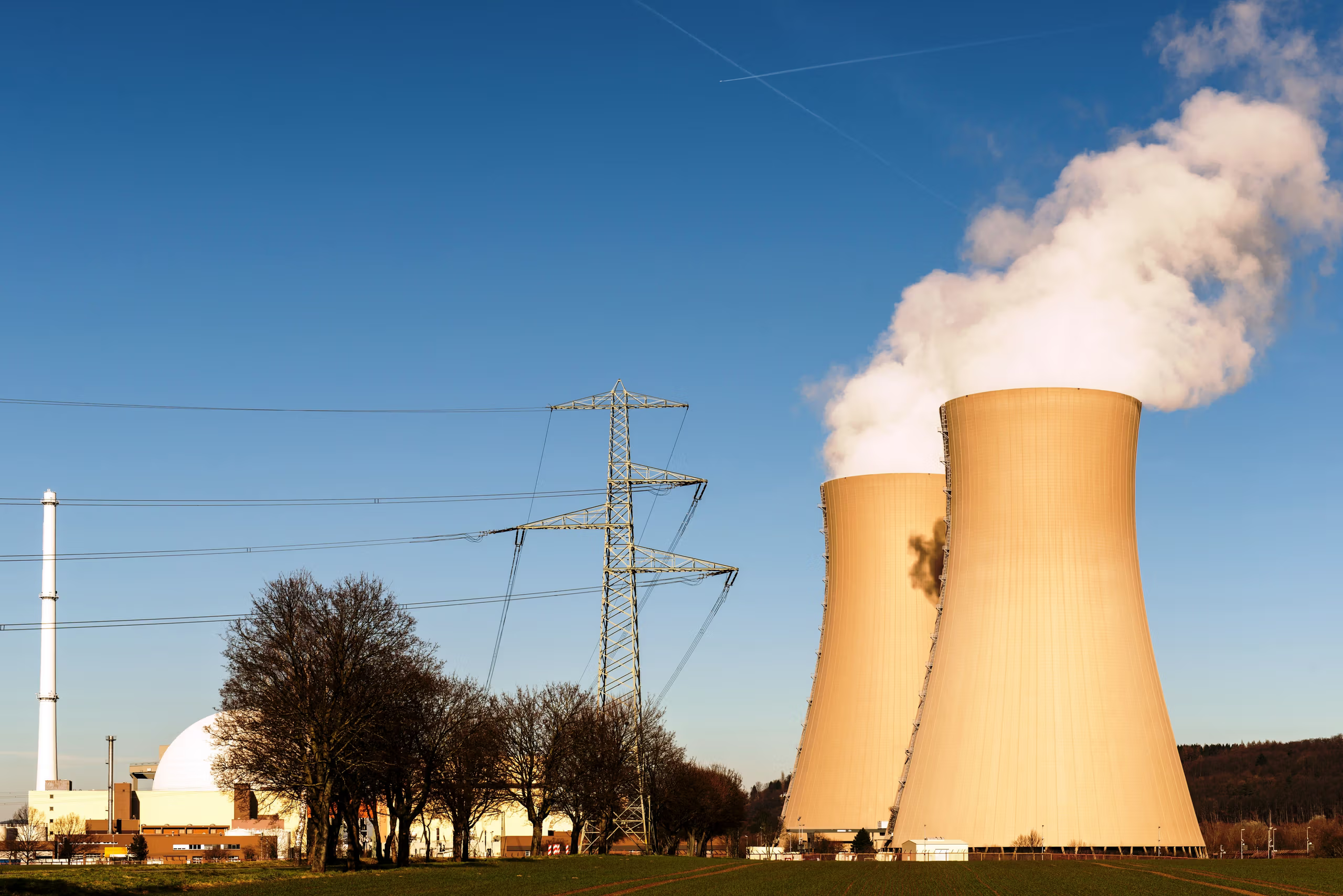
Equipped with inflatable cooling towers and hazmat suits, a left-green political coalition paraded into Bern on Tuesday to deliver over 131,800 signatures. Their target is the proposed repeal of Switzerland's ban on building new nuclear power plants. The alliance—comprising the Social Democrats, Greens, Green Liberals, and factions of The Center party—aims to lock Swiss energy policy into a post-Fukushima consensus, regardless of the cold realities that arrive every January.
At the heart of the debate lies a basic physical problem. Nuclear power plants currently supply nearly 30 percent of domestic Swiss electricity. More importantly, they provide predictable baseload power during the winter, when Swiss hydro and solar generation drop significantly and the country must turn to foreign energy imports. Representatives from the Stop Blackout committee, who launched the original effort to overturn the nuclear ban, emphasize that weather-dependent renewables cannot guarantee stability when heating demands peak in the darkest months of the year.
Opponents of nuclear power insist that the transition to green energy is already well under way. Green Party President Lisa Mazzone dismissed nuclear technology as an outdated, overpriced, and dangerous risk. Solar proponents highlight that photovoltaic systems generated over two terawatt-hours of power last winter—a figure matching the ambitious target set for hydro expansions by 2040.
Yet the anxiety among green-liberal politicians is less about safety and more about money. Figures such as Green Liberal President Jürg Grossen and Center Party National Councillor Priska Wismer-Felder worry that reopening the door to nuclear technology will siphon capital and state subsidies away from solar installations. Capital, as they correctly note, can only be spent once.
Whether voters share this absolute faith in winter solar generation will be determined at the ballot box, with a vote expected no earlier than February 2027. Reopening legal pathways for nuclear plants does not guarantee a single investor will build one, but maintaining an outright prohibition in the face of structural winter shortfalls reflects a familiar Swiss tendency toward comfortable self-delusion.
Written by Thomas Nussbaumer thomas.nussbaumer@alpineweekly.com