Nov 25, 11:01 AM
Swiss Electorate to Vote on Lifting Ban on New Nuclear Power Plants in 2027
Energy Minister Albert Rösti argues for keeping technological options open, while an opposing committee launches a referendum campaign.
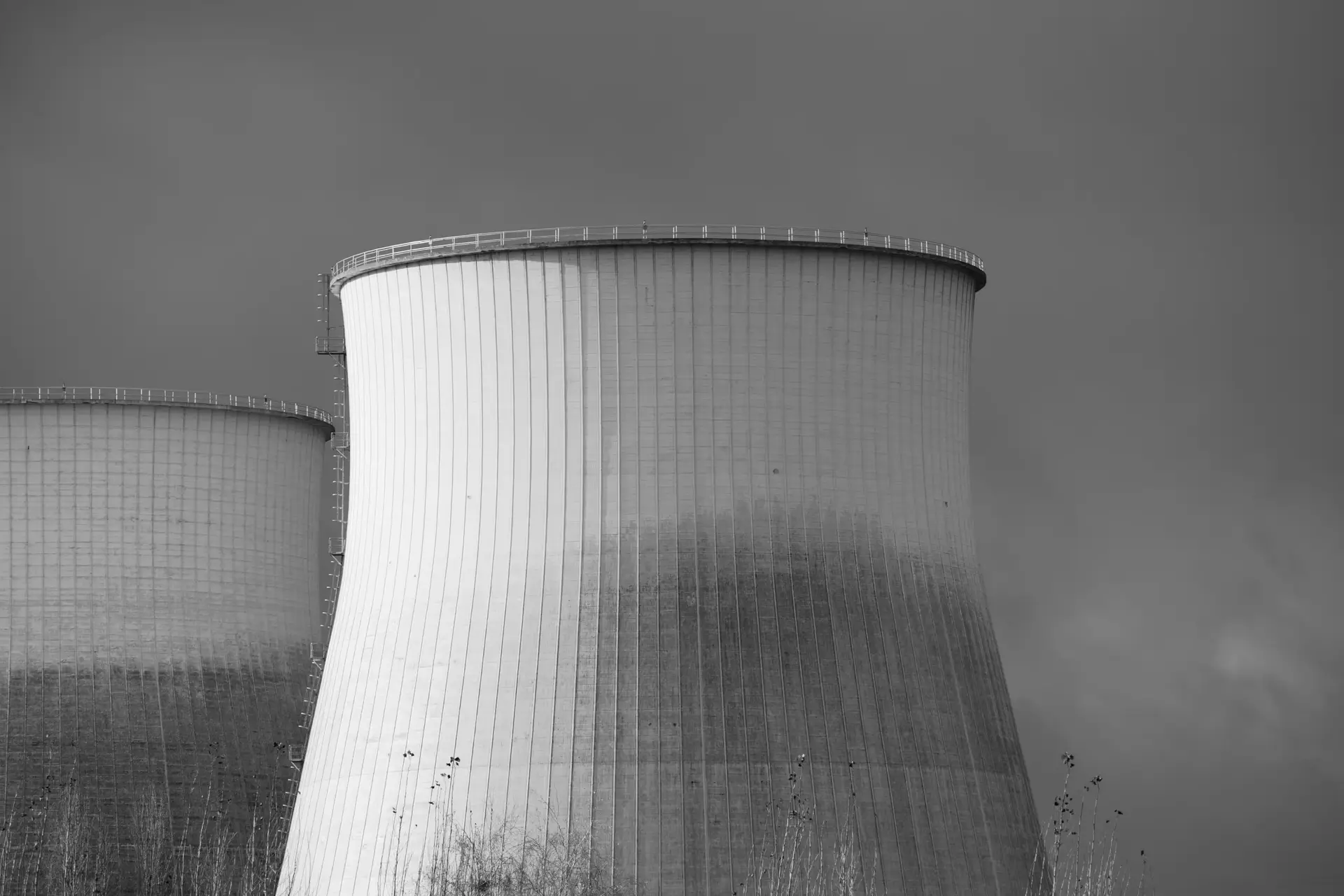
Swiss voters will decide on February 28, 2027, whether to repeal the legal prohibition on constructing new nuclear power plants. Parliament and the Federal Council decided during the summer to remove the ban, but opponents successfully gathered enough signatures to force a nationwide referendum on the matter.
Energy Minister Albert Rösti presented the Swiss government’s energy plans at the General Conference of the International Atomic Energy Agency in Vienna. Although Switzerland’s Energy Strategy 2050 relies primarily on expanding renewable energy, Rösti expressed doubts about whether that expansion alone would progress quickly enough to meet rising demand. According to the minister, progress in renewable infrastructure has slowed, making it necessary to prepare alternative technological options for the country's electricity grid.
During his visit to Vienna, Rösti met with Belgian Energy Minister Mathieu Bihet and Swedish State Secretary Daniel Westlén. Both Belgium and Sweden have recently altered their national policies to allow for continued or expanded reliance on nuclear energy. Westlén stated that expanding nuclear capacity was necessary for his government to meet growing power needs and achieve climate targets.
Opposition to lifting the ban has formed across several political parties, led by the Green Party, the Social Democratic Party, and representatives from the Centre Party. Green Party President Lisa Mazzone rejected the proposal, describing nuclear facilities as unnecessarily expensive and unsafe. Centre Party National Councillor Stefan Müller-Altermatt disputed the government's view on renewable progress, stating that solar energy expansion is advancing faster than anticipated and delivering stronger output in both summer and winter months. He added that building new nuclear power plants would not be completed any faster than expanding renewable energy infrastructure.
Speaking to young political participants in Bern, Rösti noted that avoiding nuclear energy altogether would require approving every renewable energy project without legal challenges or appeals. He stated that even under those conditions, it remained uncertain whether renewable output could cover long-term demand growth. Should the referendum fail to lift the construction ban, Rösti stated that Switzerland would need to extract every possible kilowatt of electricity directly from natural renewable sources. The formal campaign ahead of the vote is set to begin in early 2027.
Written by Thorben Thiede thorben.thiede@alpineweekly.com