Jun 13, 6:01 PM
Spectacle and Shadow at Buckingham Palace: The Crown's Enduring Pageantry
Thousands gathered for Trooping the Colour, but royal absences and vocal protests offered a sharp counter-narrative to the carefully curated unity.
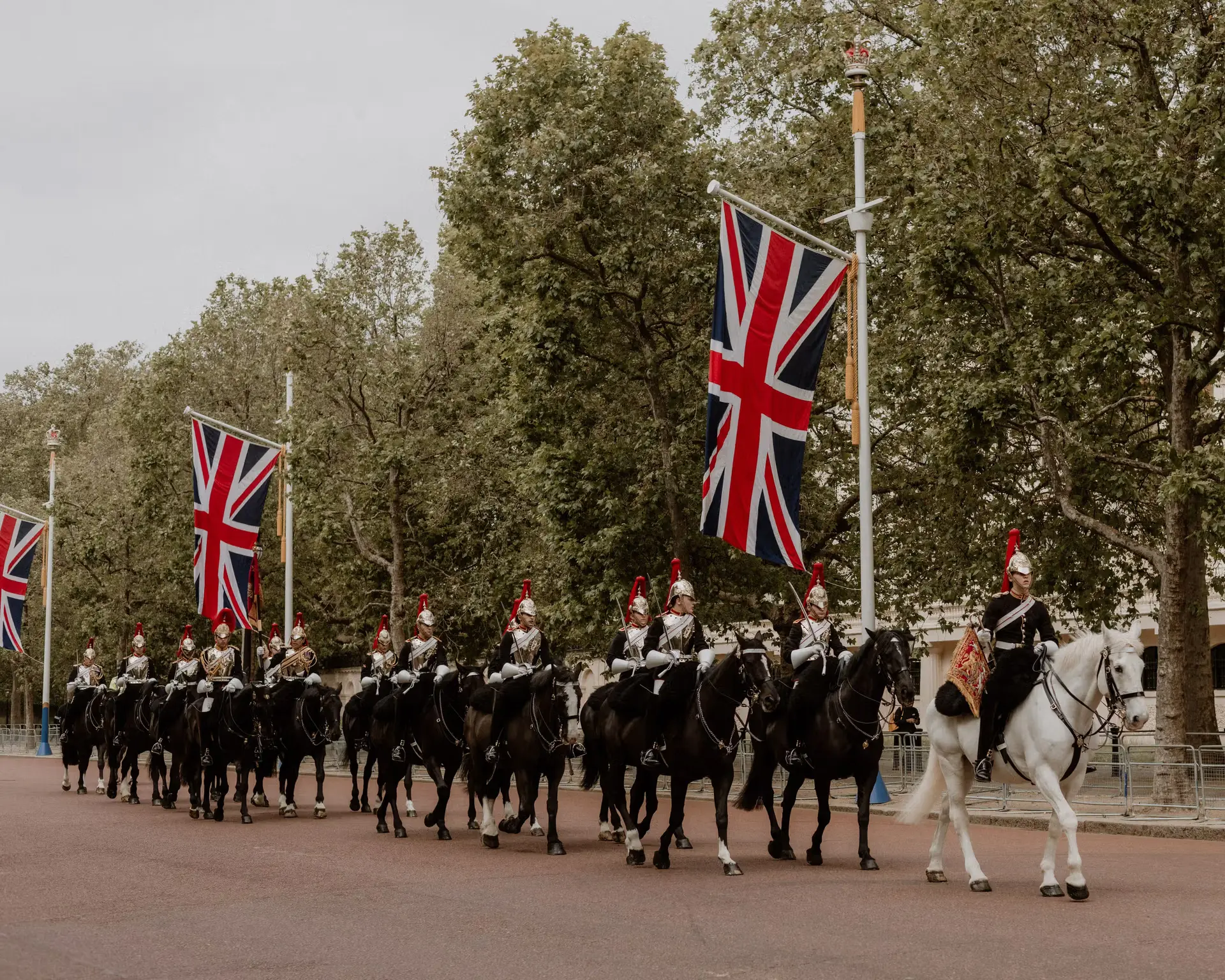
The British state has long understood the political utility of a well-executed parade. Thousands of spectators descended upon London on Saturday to witness Trooping the Colour, the official birthday celebration for King Charles III. It is a peculiar but enduring tradition to hold a grand public spectacle months removed from a monarch’s actual birth date, yet the Crown has rarely allowed mere calendar reality to interfere with the demands of institutional pageantry. The event functions as a reliable mechanism for projecting stability, drawing crowds from across the globe to the capital.
The choreography of the day proceeded with the expected precision. King Charles and Queen Camilla greeted the assembled masses from a horse-drawn carriage, reinforcing the necessary image of historical continuity. The ceremonial peak arrived when the Royal Family congregated on the balcony of Buckingham Palace. Above them, four fighter jets executed a military flyover, streaking across the sky and leaving a deliberate trail of red, white, and blue vapour. It is a highly effective display of soft power, neatly wrapped in the comforting aesthetics of British national pride.
However, the carefully curated image of unity on that balcony was defined just as much by its omissions. Prince Harry and his wife, Meghan Markle, were entirely absent from the festivities. More problematic for the institutional facade was the public focus on another exiled family member. Anti-monarchy demonstrators seized the high-profile occasion to display photographs of the King’s brother, Andrew Mountbatten-Windsor. This visual highlighting of a man stripped of his royal titles due to his association with the convicted sex offender Jeffrey Epstein offered a rather sharp counter-narrative to the polished grandeur of the carriage procession.
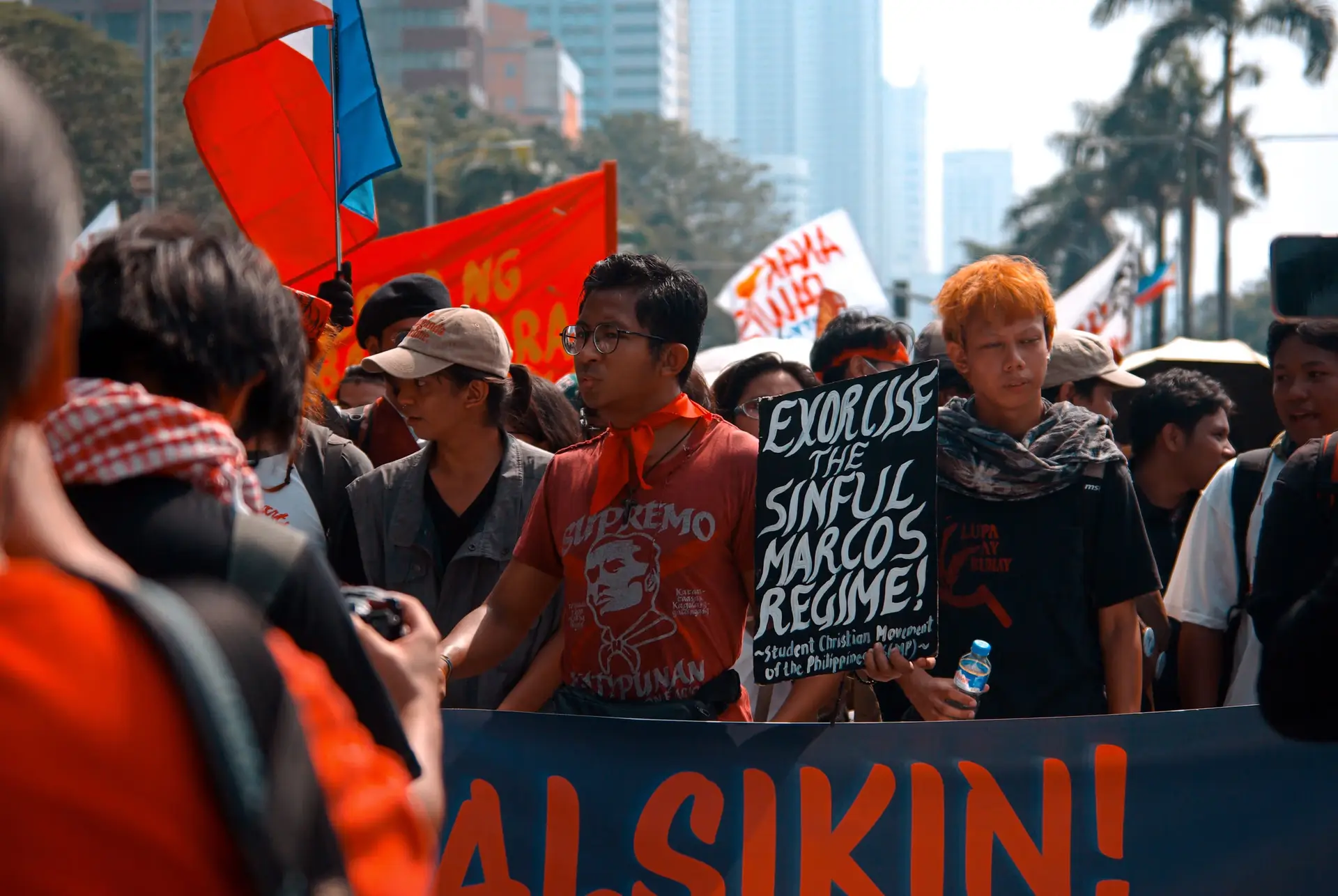
Republican sentiment made itself heard exactly when the pageantry reached its zenith. As the national anthem played, a group of protesters positioned directly in front of Buckingham Palace elevated placards explicitly rejecting the King's sovereignty. While the monarchy relies heavily on the passive approval of the broader public, this vocal faction continuously objects to the presence of a hereditary head of state.
For the time being, the institution endures, sustained by tradition and the sheer momentum of its own history. The King, who actually turns 77 on the 14th of November, continues to fulfill his role in this elaborate constitutional theater. The military jets will fly, the tourists will cheer, and the dissenters will protest, all remaining locked in a comfortably predictable equilibrium.
Written by Freya Stensrud freya.stensrud@alpineweekly.com