
Aug 25, 10:01 PM
Realpolitik in Damascus: The Inevitable Sacrifice of Syria's Kurds
Washington's pivot to the post-Assad government leaves its former anti-IS proxy with no choice but total absorption.
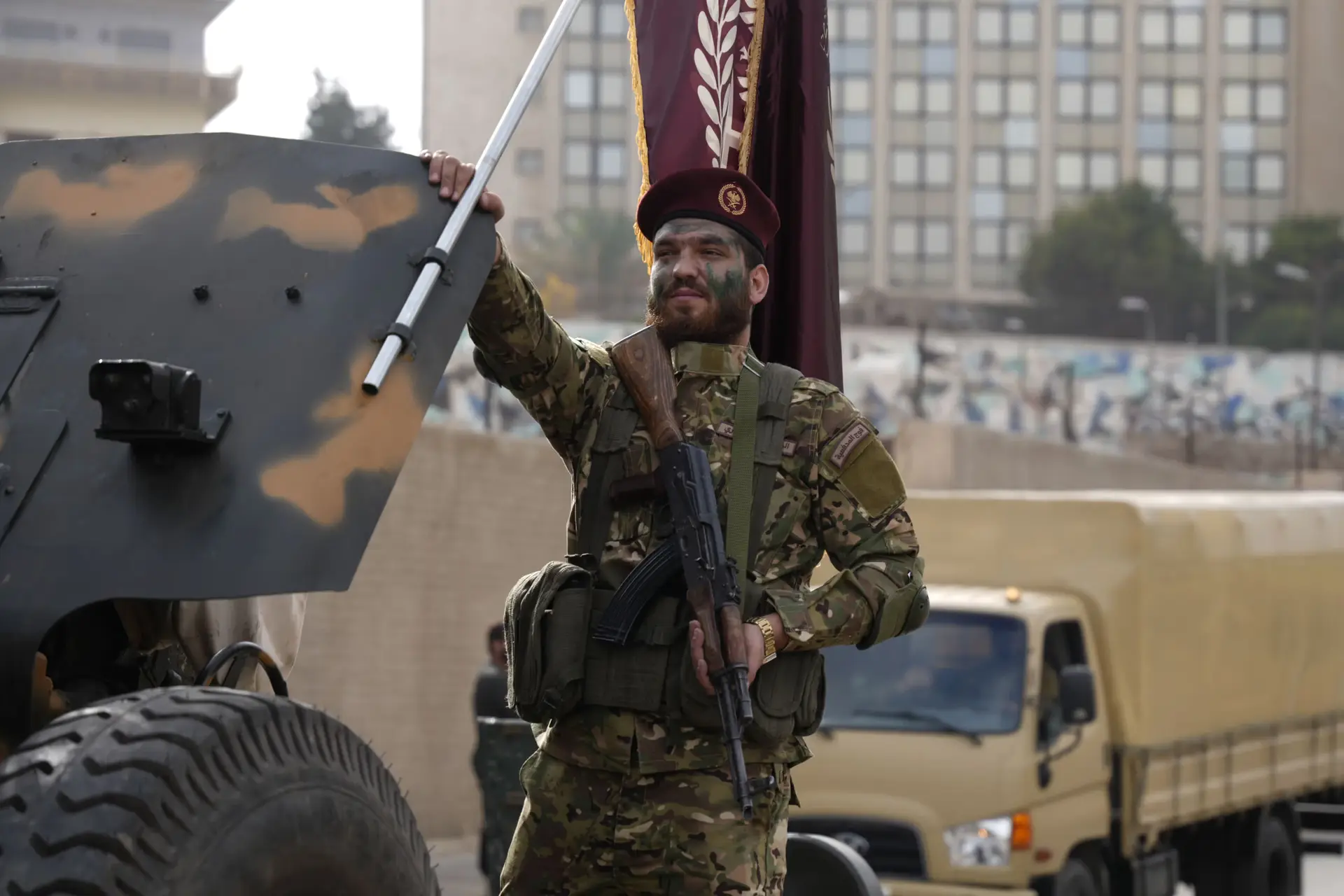
In Middle Eastern statecraft, loyalty rarely survives a shift in diplomatic priorities. The Syrian Democratic Forces, once the West's indispensable boots on the ground against Islamic State jihadists, have reached their natural expiry date. Standing inside the presidential palace in Damascus, commander Mazloum Abdi officially closed the chapter on the paramilitary group, announcing "the end of the mission of the Syrian Democratic Forces and declare, with full responsibility, their dissolution as an independent military force."
The announcement was less a voluntary retirement than the logical conclusion of a changed geopolitical ledger. Following the fall of Bashar al-Assad in late 2024, Washington reassessed its regional footprint and redirected its support toward the new authorities in Damascus under President Ahmed al-Sharaa. For the SDF, formed in 2015 at American instigation after Kurdish fighters defended Kobane, the writing was on the wall. The coalition that once fielded 100,000 fighters across Syria's oil-rich north found itself quickly outmaneuvered when its superpower sponsor pivoted to central state consolidation.
Power balances on the ground shifted rapidly following military clashes in January. When government forces seized control of the Arab-majority provinces of Raqa and Deir Ezzor, Arab fighters within the SDF defected en masse, shrinking the coalition's numerical strength by roughly half. Left with limited options, Kurdish leadership traded its long-cherished dream of regional autonomy for institutional integration into the national state apparatus.
To secure the peaceful absorption of the Kurdish units into the national army, President Sharaa offered symbolic and cultural concessions. A presidential decree recognized Kurdish national rights and designated Kurdish as a national language—an unprecedented step absent since Syria's independence in 1946. In return, Damascus demanded complete institutional subordination and required the former militia to expel all non-Syrian members of the Kurdistan Workers' Party, satisfying longstanding security demands from neighboring Turkey.
Abdi framed the surrender as an adaptation to reality, remarking that "the circumstances have changed today and the country has entered a new phase characterised by peace and participation." He insisted that Kurdish ambitions would merely shift to political channels, stating that "our struggle will continue, to cement our people's rights in the constitution." Yet, for all the rhetoric of political transition, the dissolution of the SDF marks a decisive victory for Sharaa's efforts to centralize rule over a fractured country, proving once again that non-state proxies are built to be discarded when sovereign governments reassert themselves.
Written by Andreas Hofer andreas.hofer@alpineweekly.com