Feb 9, 6:27 AM
Portugal Elects New President as Centre-Left Blocks Far-Right Surge
António José Seguro wins a decisive runoff, returning a socialist figure to the presidency after two decades and halting Chega’s push for the top office.
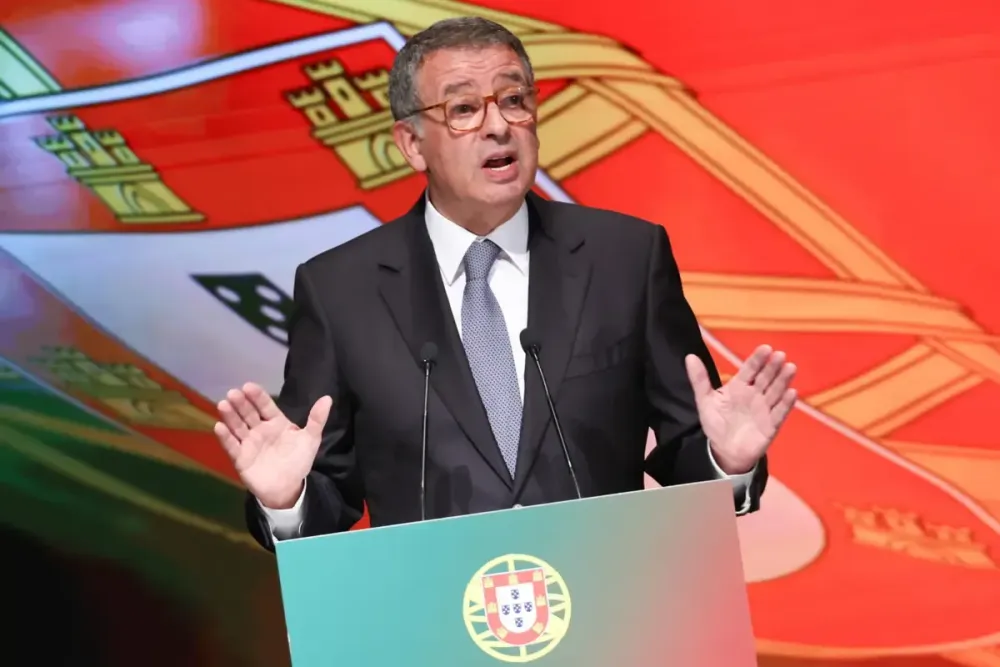
Portugal’s presidential election has delivered a clear verdict: continuity over confrontation. António José Seguro, the candidate backed by the Socialist camp, secured a commanding victory in Sunday’s runoff, defeating far-right challenger André Ventura and reshaping the country’s political balance at the symbolic top of the state.
With almost all ballots counted, Seguro captured roughly two-thirds of the vote, leaving Ventura with just over one-third. The result makes Seguro the first president aligned with the centre-left in 20 years and marks his return to frontline politics after a long absence from executive power.
Throughout the campaign, Seguro positioned himself as a moderate figure, promising stability and institutional cooperation rather than political drama. He signalled early on that he intended to work with Portugal’s centre-right minority government, framing the presidency as a role focused on oversight and mediation rather than open confrontation. His message appears to have resonated with voters wary of escalating political polarization.
Ventura, leader of the far-right Chega party, entered the race as an outsider but one with growing momentum. Although he fell well short of the presidency, his performance still represents the strongest showing yet for Chega in a nationwide contest. The party crossed the threshold of one and a half million votes for the first time, underlining its transformation from a fringe movement founded in 2019 into a major force on the right.
Supporters of Ventura have described the result as a setback rather than a defeat, arguing that the vote confirms Chega’s position as the dominant voice of the Portuguese right. These claims remain political statements rather than measurable outcomes, but they reflect a broader trend: the far right is no longer marginal in Portugal’s electoral landscape.
The election also highlighted the role of alliances. Seguro benefited from endorsements and tacit support from mainstream political figures who see his victory as a way to slow the rise of populist politics. At the European level, the outcome was welcomed as a reaffirmation of Portugal’s alignment with established EU norms and values.
In practical terms, the presidency in Portugal carries limited executive power. The head of state is expected to act above party politics, serving as a referee during institutional disputes and a stabilising presence during periods of uncertainty. Seguro now faces the challenge of living up to that tradition while navigating a parliament where political fragmentation is becoming the norm.
More than eleven million Portuguese citizens at home and abroad were eligible to vote, and turnout reflected high interest in a race widely seen as a test of the country’s political direction. While the far right did not secure the presidency, the size of Ventura’s support suggests that debates over immigration, national identity and political elites are far from settled.
For now, Portugal has chosen a familiar model: a president promising cooperation, restraint and continuity. Whether that will be enough to contain the pressures reshaping European politics remains an open question.