Nov 5, 7:00 PM
Paraguayan President Santiago Peña Resigns Amid Banking Crisis
The collapse of digital lender ueno triggers political upheaval and impeachment proceedings in Asunción
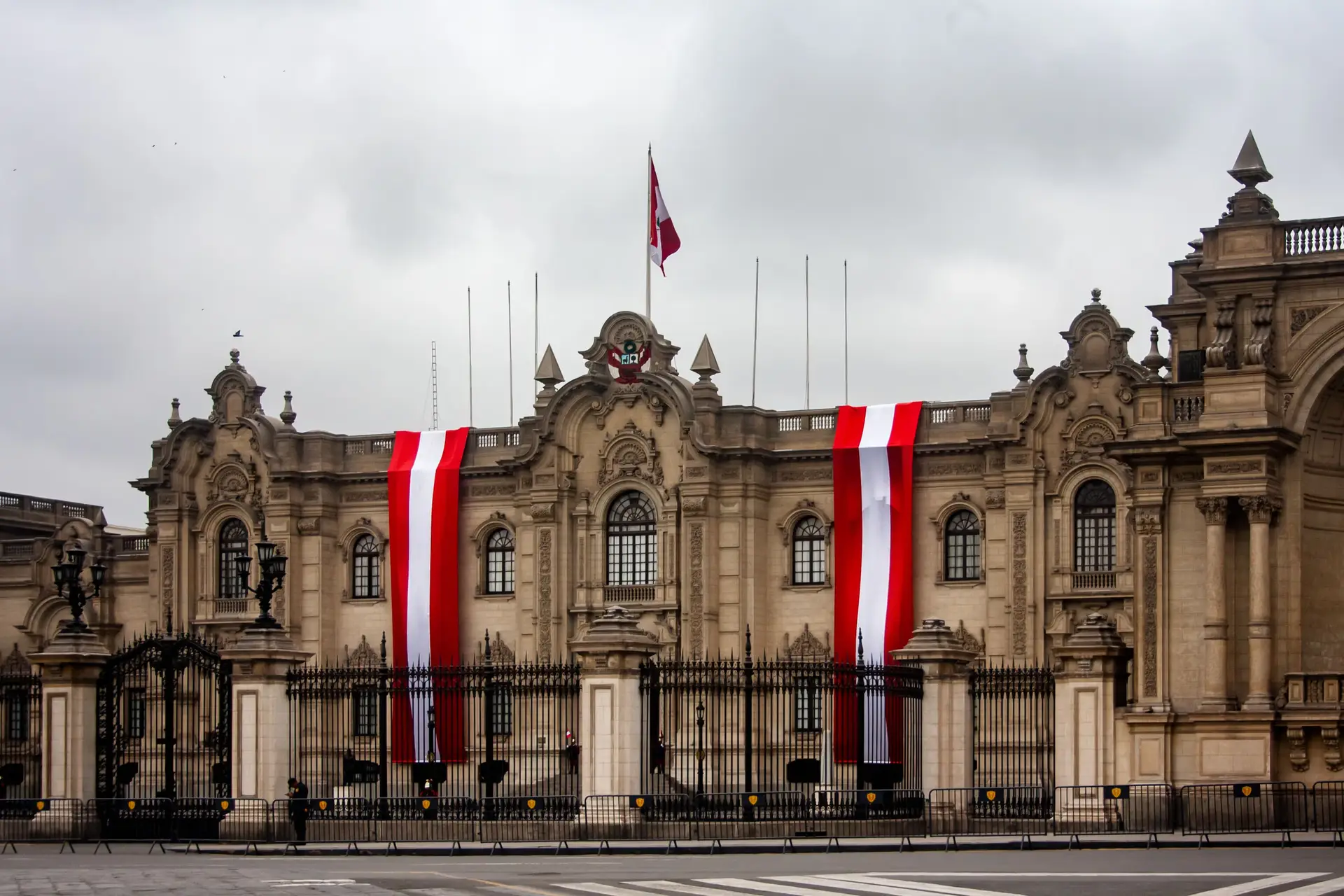
Paraguayan President Santiago Peña resigned from office on Thursday following intense political pressure and public outcry over the collapse of digital lender ueno. The decision came as Congress convened an extraordinary session to initiate impeachment proceedings against the head of state.
In a televised address, Peña stated that he was stepping down with the stability of our country, social peace and the need to preserve our democratic institutions in mind. Vice President Pedro Alliana is expected to take over the presidency following Peña's departure, after members of the ruling conservative party withdrew their backing for the president earlier in the day.
The crisis began when the Central Bank of Paraguay intervened in ueno after finding that the digital financial institution had breached minimum regulatory solvency requirements. The bank's failure left approximately three million customers—nearly half of the country's population of 6.5 million—without access to their financial accounts. ueno had expanded rapidly from a financial technology start-up into a mid-sized bank holding nearly 850 million dollars in public funds.
Opposition lawmakers in Congress accused Peña of conflicts of interest, the misuse of public pension funds, and institutional cover-ups surrounding the bank's financial instability. Critics and political opponents asserted that the administration demonstrated negligence and complicity in failing to address ueno's insolvency before its collapse. Outside the congressional building, demonstrators gathered to demand that lawmakers reject the resignation so that Peña could face a formal trial and impeachment instead.
In his statement, Peña expressed hope that deposit guarantee mechanisms would safeguard account holders and protect public resources. The management of ueno has not issued any public statement regarding the intervention or the state of the institution.
Written by Sandy van Dongen sandy.vandongen@alpineweekly.com