Jul 1, 10:01 PM
Nicolás Maduro's Brooklyn Docket
The ousted Venezuelan leader faces a new civil lawsuit over alleged death squad killings.
Nicolás Maduro's retirement plan is proving remarkably litigious. Currently residing in a New York detention centre, the ousted Venezuelan autocrat is fielding a fresh legal challenge. Families of five young men have filed a civil lawsuit in a Brooklyn federal court, demanding financial compensation for extrajudicial killings allegedly orchestrated during his tenure. It is a peculiar twist of fate: a man who spent a decade dismantling his country’s judiciary is now thoroughly entangled in the American legal system.
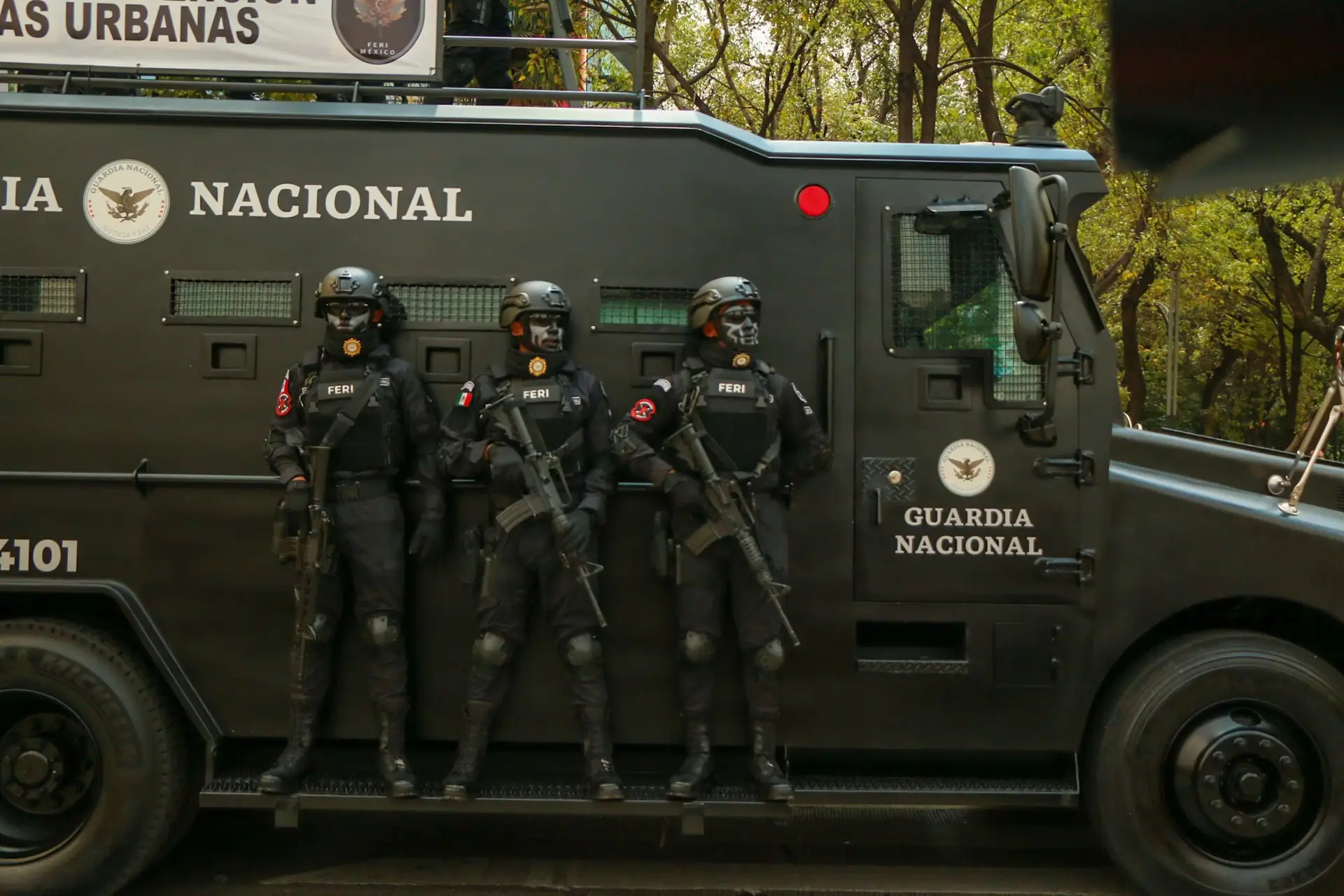
The 44-page complaint leverages the United States Torture Victim Protection Act, accusing the former president of deploying the Special Action Forces, or FAES, as a personal execution squad. Operating between 2017 and 2020, this elite unit allegedly functioned as an instrument of social control in low-income neighbourhoods. The plaintiffs, whose identities remain shielded for obvious security reasons, describe a grim bureaucratic routine to the violence. Masked officers dressed entirely in black would arrive before dawn, separate the targeted men from their relatives, and shoot them. The official paperwork would inevitably record that the deceased had resisted authority.
The FAES was formally dissolved in 2021 following sustained criticism from international bodies, including the United Nations, regarding systemic human rights abuses. Yet the legacy of those operations continues to haunt Maduro, whose 2013 to 2026 presidency was characterised by severe political repression. His grip on power ended abruptly in January, when a US military raid extracted him from Caracas. He now awaits trial on separate criminal charges, alongside his wife Cilia Flores, for a dizzying array of offences including narco-terrorism and cocaine importation conspiracy.
In his criminal proceedings, the deposed leader has pleaded not guilty to all counts, including weapons charges, and has formally declared himself a prisoner of war. For the civil lawsuit, legal observers anticipate he will attempt to invoke head-of-state immunity. There is a certain dark comedy in watching a former strongman, whose domestic courts systematically shielded his security apparatus from accountability, suddenly grasping at the procedural protections of a foreign jurisdiction. Whether the anonymous families will ever see actual financial restitution from a man facing decades in an American penitentiary is highly uncertain, but the Brooklyn lawsuit ensures the historical record of his administration's brutality is meticulously documented in a court he cannot control.
Written by Freya Stensrud freya.stensrud@alpineweekly.com