Nov 11, 7:01 PM
Nationalist March in Warsaw Held Under Heavy Police Presence
Tens of thousands gather for Poland's Independence Day following a fatal shooting in Krakow linked to far-right ideology.
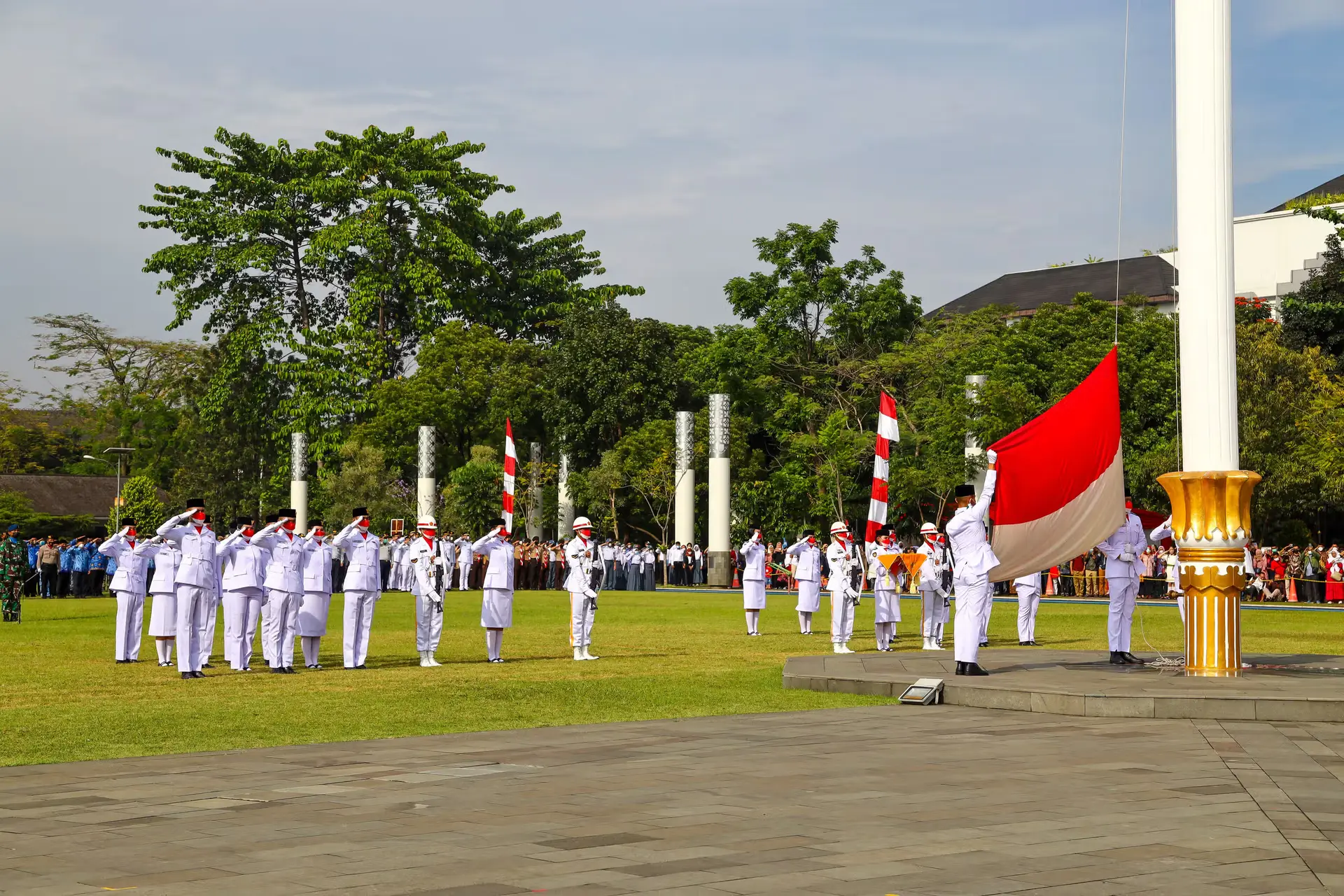
Tens of thousands of nationalists gathered in central Warsaw on Wednesday for Poland’s annual Independence Day march, surrounded by a heavy police presence following a deadly mass shooting in Krakow. The annual demonstration took place near the Palace of Culture and Science amid heightened political tensions and official warnings regarding far-right extremism.
Police officers were deployed in large numbers across the capital as the nation remained on high alert following the violence in Krakow on November 7. In that incident, a gunman opened fire in the city's main square, killing six people and wounding more than a dozen others. The 24-year-old perpetrator died in a hospital after being shot and arrested by law enforcement officers. Justice Minister Waldemar Zurek stated that investigations revealed the gunman had taken an interest in the Norwegian mass killer Anders Behring Breivik, with government ministers noting the attack appeared to be linked to far-right ideology.
Prior to the march, Prime Minister Donald Tusk appealed for calm and urged political factions to show restraint. Tusk stated that anyone who truly cares about Poland must understand that this space, defined by independence, freedom and a secure Republic, is a common good. President Karol Nawrocki, who joined the marchers in Warsaw, addressed the crowd with criticism aimed at the governing centrist administration. Nawrocki stated that Poland does not exist today so that the political elites can grant themselves the right to manage citizens … against the will of the nation.
Organisers reported expecting record attendance for this year's march, which was held under the motto 'A Pole is the host in Poland'. The demonstration attracted several international right-wing delegations, including representatives from Spain's Revuelta movement, which is linked to the Vox party, as well as members of Hungary's Mi Hazank party. While proponents view the gathering as an expression of patriotism, critics have routinely cited anti-immigrant and anti-Semitic rhetoric during previous marches.
The annual November 11 gathering commemorates the restoration of Polish statehood in 1918 following more than a century of partition under Russia, Prussia, and Austria. The event continues to reflect political fault lines within the country, setting conservative and nationalist movements against the centrist government.
Written by Martina Kirchner martina.kirchner@alpineweekly.com