
Sep 26, 8:01 PM
Judicial Decorum and Sovereign Debt in Caracas
Venezuela’s interim government agrees to court reform while real power resides in debt negotiations and foreign oil deals.
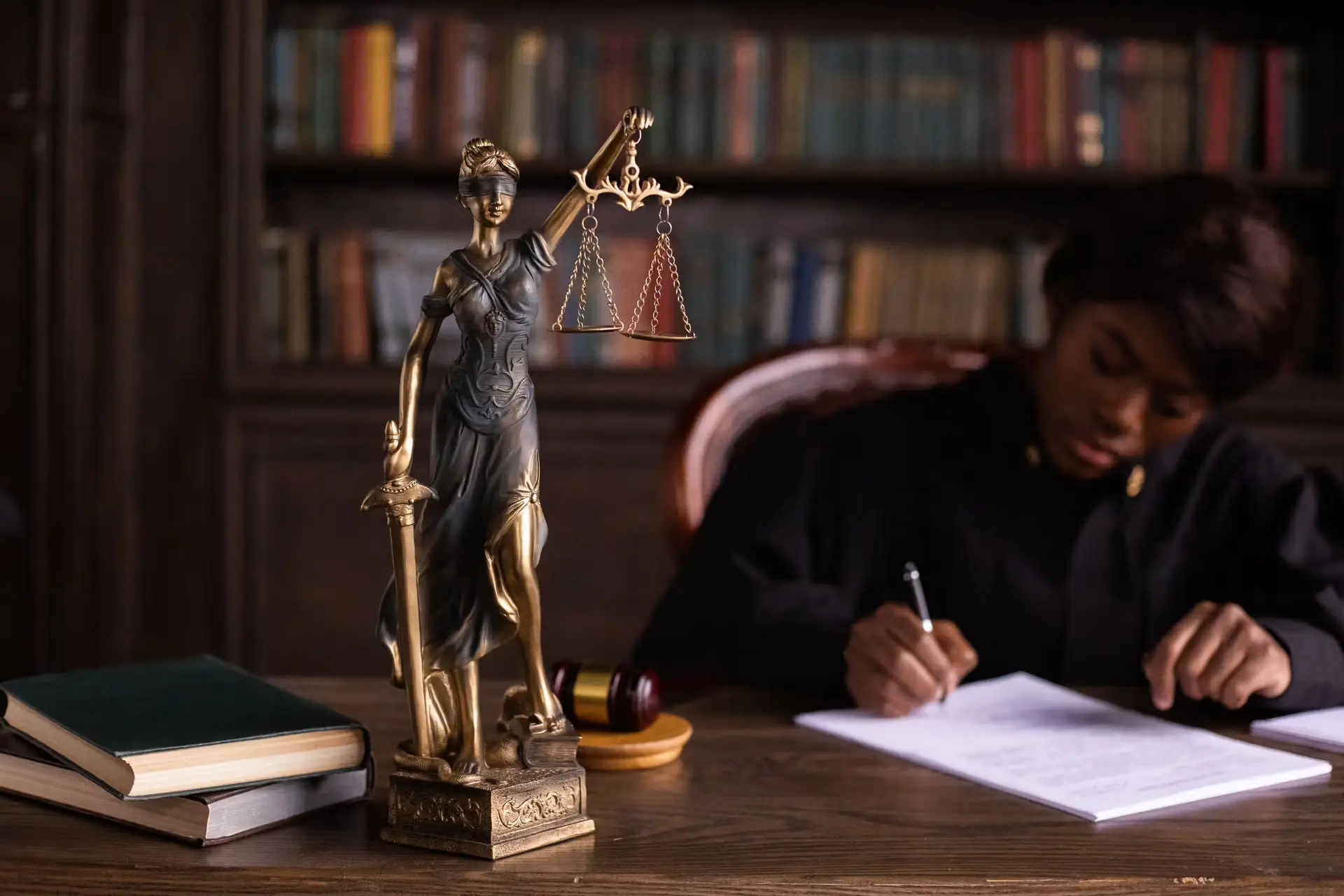
When a regime needs to demonstrate democratic goodwill without surrendering actual power, it inevitably creates a committee. In Caracas, interim President Delcy Rodriguez and her political opponents have hit upon this time-honoured diplomatic ritual, announcing a joint seven-member panel tasked with reviewing candidate selection for the Supreme Court of Justice. The agreement follows a second round of talks between National Assembly chief Jorge Rodriguez and opposition leader Dinorah Figuera, marking the first tangible progress toward the judicial overhaul promised by the post-Maduro administration.
Whether a technical review of judicial qualifications can restore trust in a country governed under the long shadow of foreign intervention is a question left unanswered. Venezuela’s interim government owes its existence to the dramatic January operation in which US military forces abducted former President Nicolas Maduro. Since taking power, the administration in Caracas has aligned itself closely with Washington, though its promises to open the domestic political sphere have unfolded at a far more languid pace.
The priorities of the new regime appear printed firmly on balance sheets rather than constitutional charters. While human rights groups report that the repressive security apparatus of the Maduro era remains functioning and untouched, interim leaders have been remarkably swift on economic restructuring. A deal granting the United States control over vast swathes of Venezuela’s oil reserves has already drawn sharp criticism, with observers likening the arrangement to imperial resource concessions of the nineteenth century.
Power realities were on full display during the United Nations General Assembly in New York, where Rodriguez made her maiden US visit. Between addresses promising eventual elections without the inconvenience of a firm calendar date, she sat down with US President Donald Trump. According to Secretary of State Marco Rubio, those discussions focused on restructuring billions of dollars in Venezuelan sovereign debt. At the White House, Trump laconically confirmed to reporters that democratic votes were mentioned: I spoke about elections.
This judicial initiative comes on the heels of an initial August meeting, where both factions agreed in principle to overhaul the legal system and pursue the recovery of state assets frozen in the Bank of England. With the next round of negotiations slated for next month, Caracas continues to offer procedural gestures to its domestic opposition while its real economic and political fate is negotiated across foreign capitals.
Written by Freya Stensrud freya.stensrud@alpineweekly.com