Nov 7, 3:01 PM
Jean-Luc Mélenchon Outlines Presidential Platform Amid Left-Wing Divides
The France Unbowed leader proposes economic intervention and NATO withdrawal as political rivals debate potential alliances.
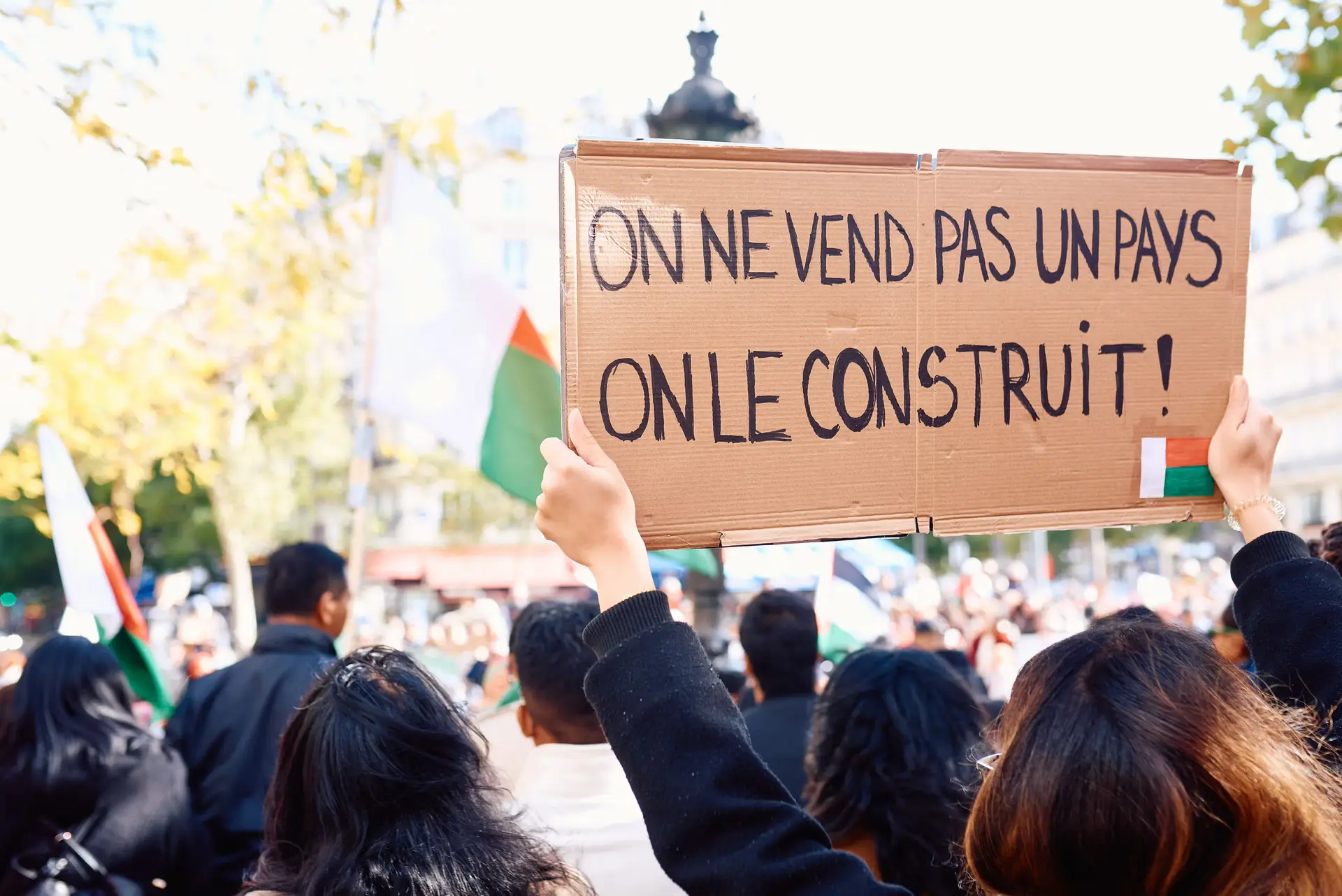
French left-wing politician Jean-Luc Mélenchon presented his political platform at a rally in Le Bourget, north of Paris, following its online publication. The leader of the France Unbowed party currently holds between 17.5 and 18 percent in opinion polls, positioning himself as the leading candidate on the left for the upcoming presidential election.
Mélenchon’s proposals include lowering the national retirement age to 60 and raising the monthly minimum wage to 1,700 euros. Under the platform, France would also withdraw from NATO, renationalise key sectors of the economy, and reject European Union regulations that conflict with national social or economic initiatives. Funding for these spending plans would rely on increased taxation of high earners and corporations, including a minimum 2 percent tax on the wealth of billionaires and higher rates on large inheritances.
The platform also calls for the European Central Bank to convert French public debt into a permanent interest-free loan instead of requiring repayment. Prime Minister Sébastien Lecornu criticized this measure in September, characterizing the refusal to repay borrowed funds as theft. Economists cited in public discussions warned that such debt policies could prompt investors to sell French government bonds, thereby increasing borrowing costs for the state.
Within the left-wing spectrum, Mélenchon maintains a polling lead over alternative candidates, including Raphaël Glucksmann of the Place Publique party, Communist candidate Fabien Roussel, Green leader Marine Tondelier, and independent François Ruffin. Glucksmann, who is backed by the Socialist Party, has ruled out forming an electoral alliance under France Unbowed. Tensions among left-wing groups have also been influenced by Mélenchon’s foreign policy stances, notably his refusal to designate Hamas as a terrorist organisation and his accusations of genocide against Israel regarding its actions in Gaza.
Beyond policy differences, Mélenchon faces criticism from political rivals and former allies regarding his management of France Unbowed. Former party candidate Thomas Guénolé characterized the movement as an autocracy, while former lawmaker Raquel Garrido and former ally Clémentine Autain pointed to dissatisfaction with leadership methods as a reason for their departure. Public law professor Beligh Nabli noted that Mélenchon’s refusal to campaign from the political centre distinguishes his political approach from standard presidential strategies in France.
Polls show a substantial gap between Mélenchon and far-right candidate Marine Le Pen of the National Rally, who currently leads overall presidential polling. A survey conducted by Toluna Harris Interactive in October projected that Le Pen would win a potential second-round run-off against Mélenchon by 70 percent to 30 percent. The choice facing smaller left-wing parties over whether to endorse Mélenchon remains a central issue for the upcoming campaign.
Written by Freya Stensrud freya.stensrud@alpineweekly.com