
Jul 31, 2:01 PM
HRW Accuses Russian Paramilitaries of Civilian Casualties in Contested Malian Village
A June airstrike in the militant-held settlement of Kyrnia highlights the murky realities of asymmetric warfare following France's unceremonious exit from the Sahel.
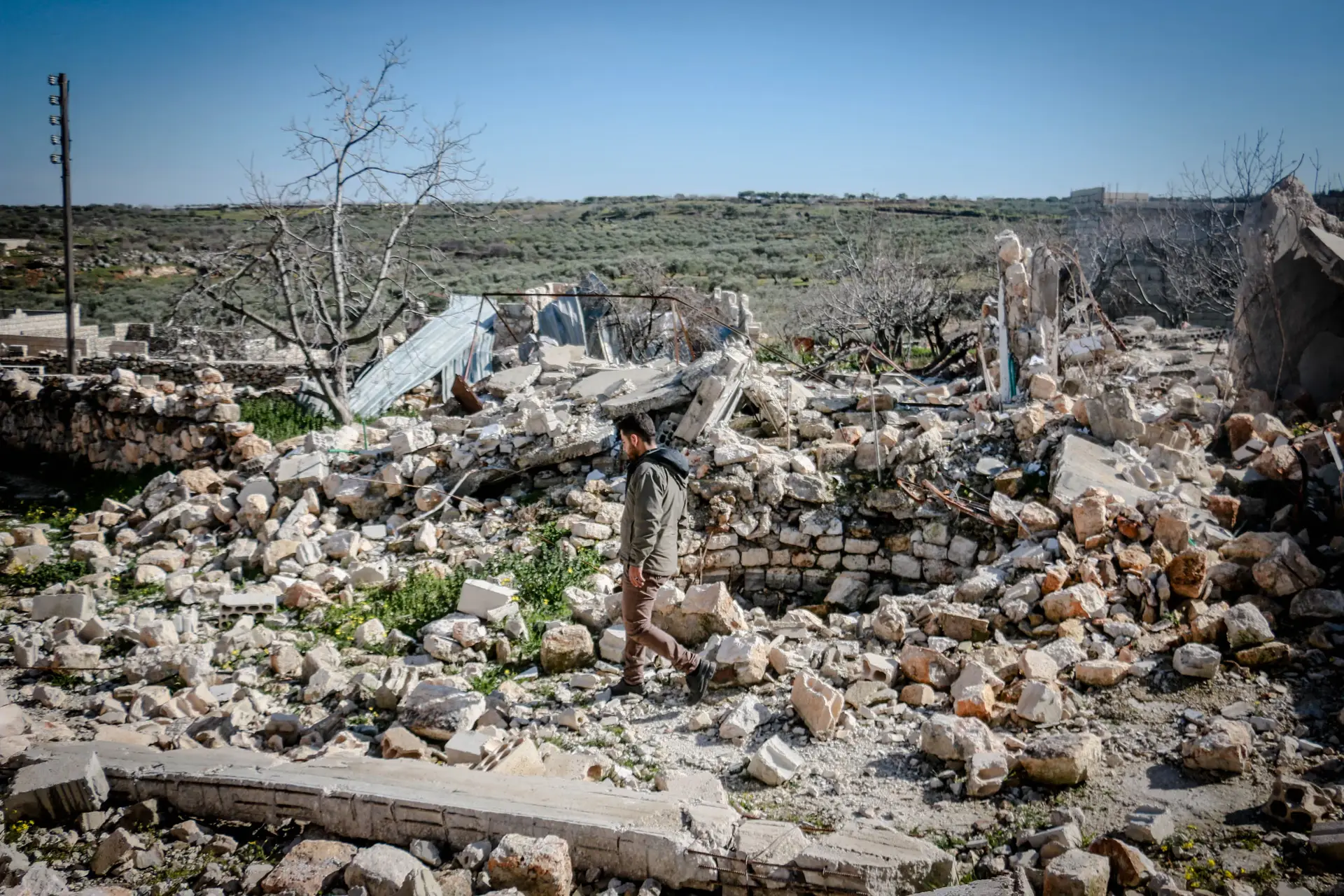
The Sahel region continues to serve as a stark theater for shifting global alliances and intractable insurgencies. When Mali, along with neighbouring Burkina Faso and Niger, expelled French military forces, the diplomatic rupture was hardly a surprise. Paris had long operated with a profound ignorance of its own negative footprint and policy failures across its former African spheres of influence, leaving a security vacuum that local military governments were desperate to fill. Bamako subsequently turned to Moscow, bringing in the Wagner group in 2021 and later the Kremlin-run Africa Corps to combat armed factions linked to al-Qaeda and the Islamic State. Yet, the realities of asymmetric warfare remain as complicated as ever, with a new report from Human Rights Watch detailing allegations of civilian casualties linked to Russian paramilitaries.
According to the rights organisation, an Africa Corps airstrike on June 15 resulted in the deaths of eight civilians, including three children, in the central Malian village of Kyrnia. Based on 19 remote interviews, satellite imagery analysis, and geolocated drone footage, the group asserts that a Sukhoi Su-24 aircraft dropped munitions on two locations. One strike reportedly hit a local cattle market, leaving four dead and two wounded, while another struck the residence of the village chief, killing his wife, two children, and several others.
The incident highlights the murky dividing lines between combatants and non-combatants in territories held by jihadist forces. Human Rights Watch acknowledges that the al-Qaeda-aligned Jamaat Nusrat al Islam wal Muslimin has controlled Kyrnia for six years, and that at least 100 fighters were present in the village during the operation. The organisation also noted that the village chief regularly conducts business with the armed faction and that three of his sons are active combatants. Despite these ties, the rights group maintains that targeting individuals based on business relations with militants constitutes an unlawful approach to engagement, claiming that actual militant positions were left untouched.
Competing narratives define the aftermath of the Kyrnia operation. In a statement published on the social media platform X on June 23, Africa Corps announced that the group conducted an airstrike against a gathering place of terrorists and asserted that several field commanders were eliminated. The Russian Ministry of Defence has previously stated that its forces actively deploy Su-24 aircraft to target militant factions in the region.
The diplomatic and legal fallout now rests on the shoulders of Mali's military leadership. Ilaria Allegrozzi, a researcher for Human Rights Watch, stated that the junta must impartially investigate all alleged abuses on its territory or risk being held complicit. Whether Bamako possesses the institutional capacity or political will to scrutinise its primary security partner is highly questionable. Meanwhile, the broader conflict grinds on relentlessly. With the United Nations recording at least 2,260 deaths across the region in just the first three months of this year, the structural violence in the Sahel appears entirely indifferent to the flags of foreign security partners.
Written by Andreas Hofer andreas.hofer@alpineweekly.com