Jun 14, 10:01 AM
Gunboat Diplomacy Returns: Britain Strikes at Russia’s Shadow Fleet
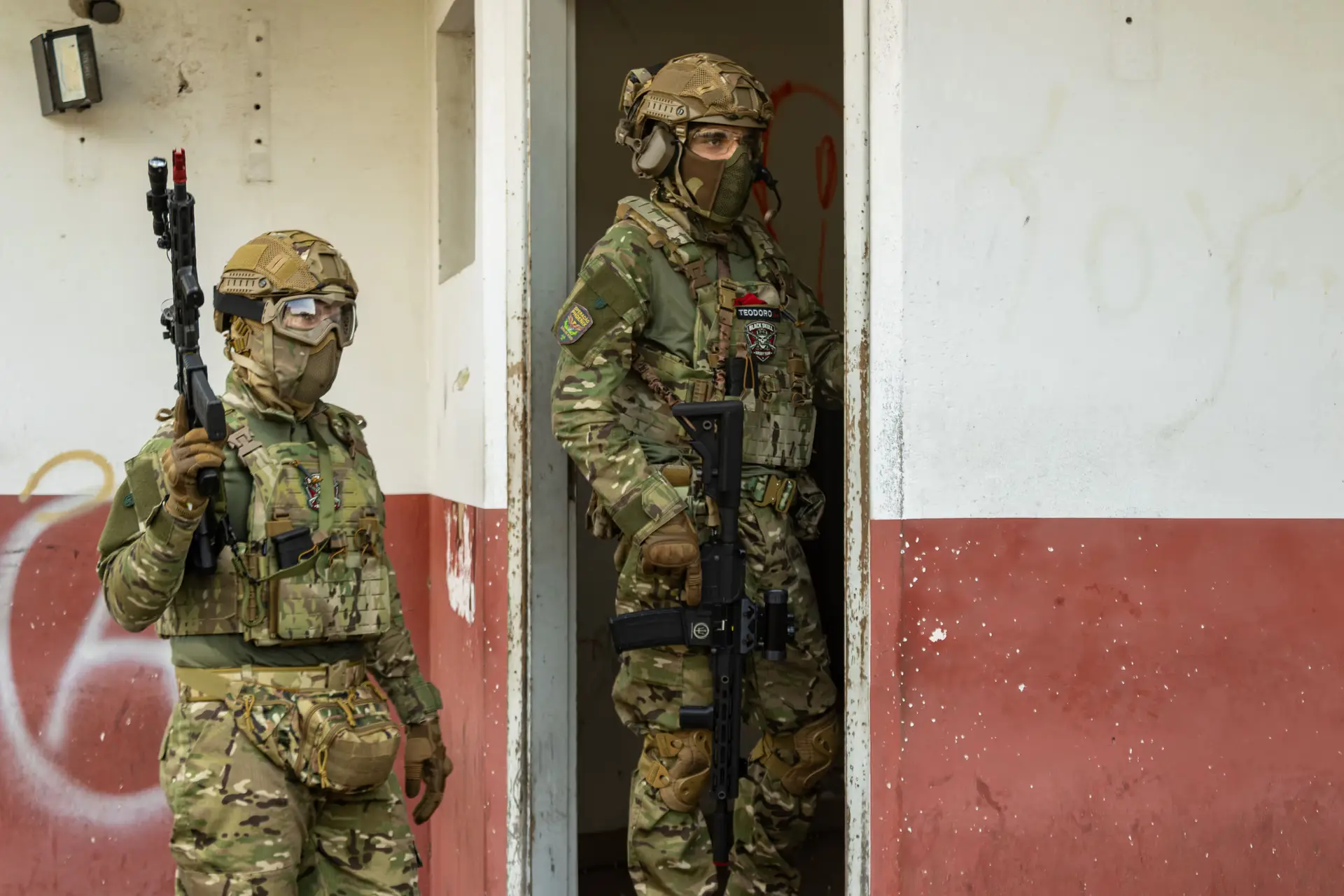
The English Channel recently played host to a scene more commonly associated with maritime thrillers than the dry bureaucracy of international trade. Royal Marine Commandos, backed by a formidable array of air and naval power, descended upon a Russian oil tanker. This was not a routine customs check, but a muscular assertion of Western sanctions policy. Economic statecraft, it appears, sometimes requires men with assault rifles.
The target of this unprecedented British-led intervention was the Smyrtos, a vessel operating within Moscow’s sprawling shadow fleet. Over the course of a rigorous six-hour operation, law enforcement officers from the National Crime Agency, alongside military personnel, boarded and secured the ship. The sheer scale of the resources deployed illustrates the difficulty of maritime interdiction. The boarding party required the support of Chinook, Merlin, and Wildcat helicopters, a P-8 surveillance aircraft, and two Royal Navy vessels, HMS Sutherland and HMS Ledbury.
For years, the Kremlin has engaged in a sophisticated game of economic evasion. To bypass Western restrictions that prohibit the chartering or insuring of non-compliant tankers, Russia relies on a clandestine network of vessels. These ships utilise opaque ownership structures and flags of convenience to obscure the origins of their lucrative petroleum cargo. Ukrainian intelligence indicates that the Smyrtos has been a reliable earner for Moscow, exporting oil products from the port of Kozmino since March 2025.
British political leadership was quick to capitalise on the operational success. Prime Minister Keir Starmer framed the seizure as a direct strike against the financial arteries of the Russian war machine. Similarly, the newly appointed Defence Secretary, Dan Jarvis, noted in an official statement that the interdiction successfully disrupted a key funding mechanism for the Russian invasion. The Smyrtos has since been redirected to anchor off the southern coast of the United Kingdom, where authorities are monitoring the ageing vessel for environmental and safety hazards.
Capturing a single tanker requires an extraordinary expenditure of military and law enforcement capital. If the shadow fleet consists of hundreds of similar vessels, the mathematics of enforcement look rather daunting. Western capitals have long relied on the theoretical deterrent of financial sanctions, assuming market forces would naturally align with geopolitical dictates. The boarding of the Smyrtos proves that paper regulations are ultimately meaningless unless backed by the physical willingness to intercept a moving ship. The challenge for London and its allies is whether they possess the naval capacity to sustain this level of aggressive policing across the world's shipping lanes.
Written by Martina Kirchner martina.kirchner@alpineweekly.com