
Oct 20, 2:01 PM
Guarding Saudi Skies: Whitehall’s Defensive Gambit
The deployment of RAF Typhoons to protect Saudi Arabia highlights London's delicate balancing act in the Gulf.
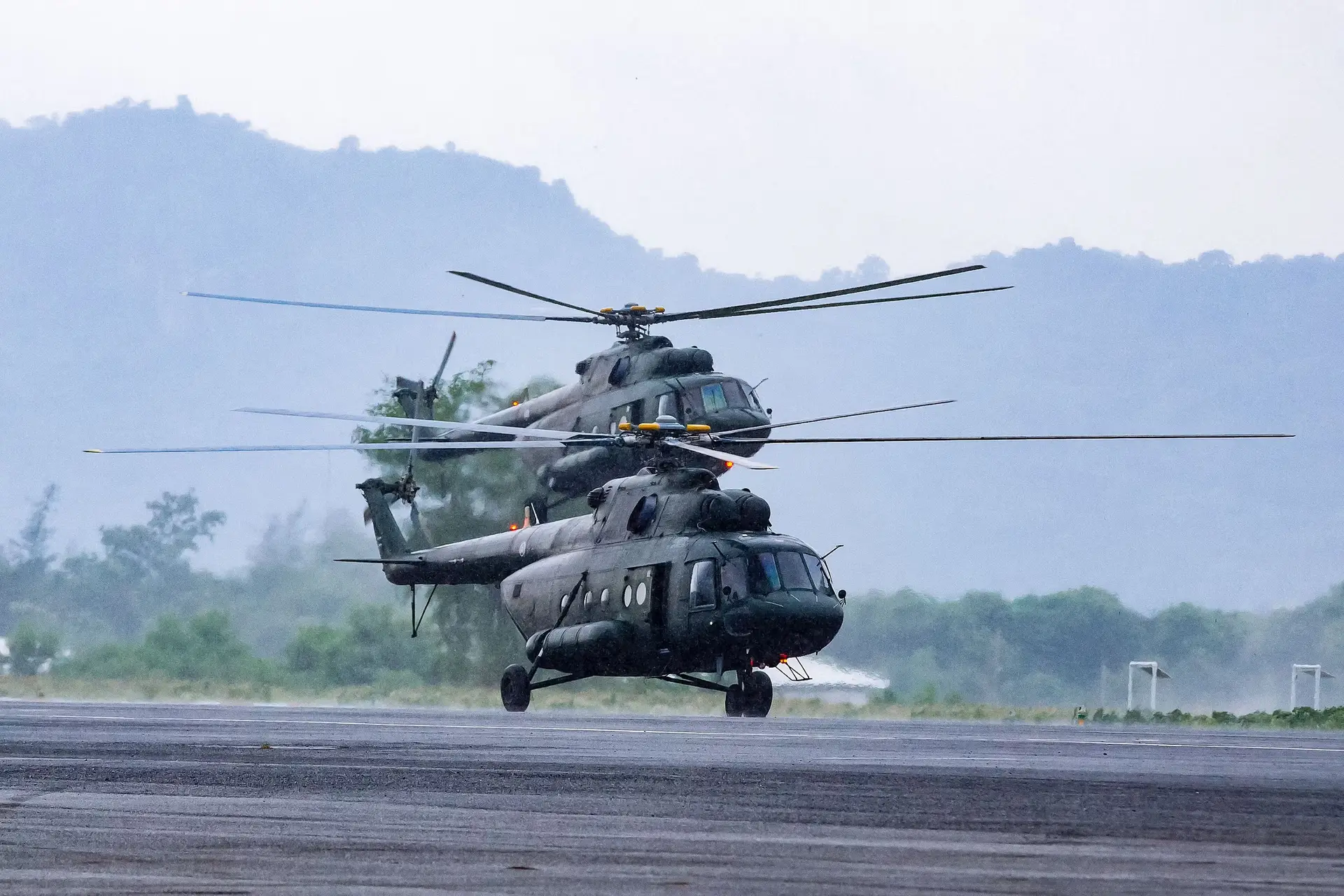
Whitehall is once again deploying carefully calibrated terminology to accompany its military hardware in the Gulf. The British Ministry of Defence has confirmed that Royal Air Force Typhoon fighter jets are being dispatched to Saudi Arabia, emphasizing with painstaking precision that the warplanes will operate exclusively in a defensive capacity. Their task is not to strike positions inside Yemen, but to safeguard Saudi population centers and critical infrastructure against an ongoing barrage of hostile drones and missiles.
The expanded military package includes flying defensive counter-air patrols over Saudi territory as well as extending air-to-air refuelling support for Saudi air operations. This step follows a pronounced escalation in the long-running confrontation between the Iranian-backed Houthis and Yemen’s internationally recognized government, which relies heavily on Saudi backing. Houthi forces have recently launched multiple long-range strikes into the kingdom, targeting vital infrastructure and hitting the international airport in Riyadh, prompting retaliatory coalition air raids across Yemen.
Addressing the deployment, UK Defence Secretary Wes Streeting described the attacks on the British ally as despicable, noting that the strike on Riyadh's airport highlighted the lengths to which the Houthis would go to escalate regional tensions. He noted that the newly assigned Typhoons will reinforce the British personnel and defensive systems already stationed within Saudi Arabia.
Drawing neat lines of demarcation in a regional conflict remains an ambitious political exercise. By defining the Typhoon deployment as strictly protective, London seeks to support its principal Gulf ally while preserving a formal buffer against direct participation in offensive strikes over Yemen. Whether defending oil facilities and airports from incoming fire can truly be separated from the broader regional escalation is a distinction that sits comfortably in Whitehall policy papers, even as British fighter jets take to the skies above Riyadh.
Written by Freya Stensrud freya.stensrud@alpineweekly.com