Jul 3, 6:05 PM
Germany’s latest cure for absenteeism: more paperwork
The coalition wants sick notes from day one, and from a doctor, not a phone call. The clinics are unimpressed.

Germany has found a new way to demonstrate that bureaucracy is never short of ideas, only of restraint. The coalition government wants employees to hand in a doctor’s note from the first day they are ill, and to get it in person rather than by phone. So much for the pandemic-era convenience that at least spared patients and surgeries a bit of pointless traffic.
The current rule is less theatrical. A certificate is only needed after more than three days off work, meaning on the fourth day, though employers can ask earlier if they wish. Under the new plan, that margin of discretion shrinks sharply. Chancellor Friedrich Merz says the country’s sick days are too high and insists Germany can no longer accept what he calls an expensive competitive disadvantage caused by long absences from work. The coalition, made up of the CDU and the SPD, has agreed the change as part of wider tax, labour and pension reforms meant to revive the economy.
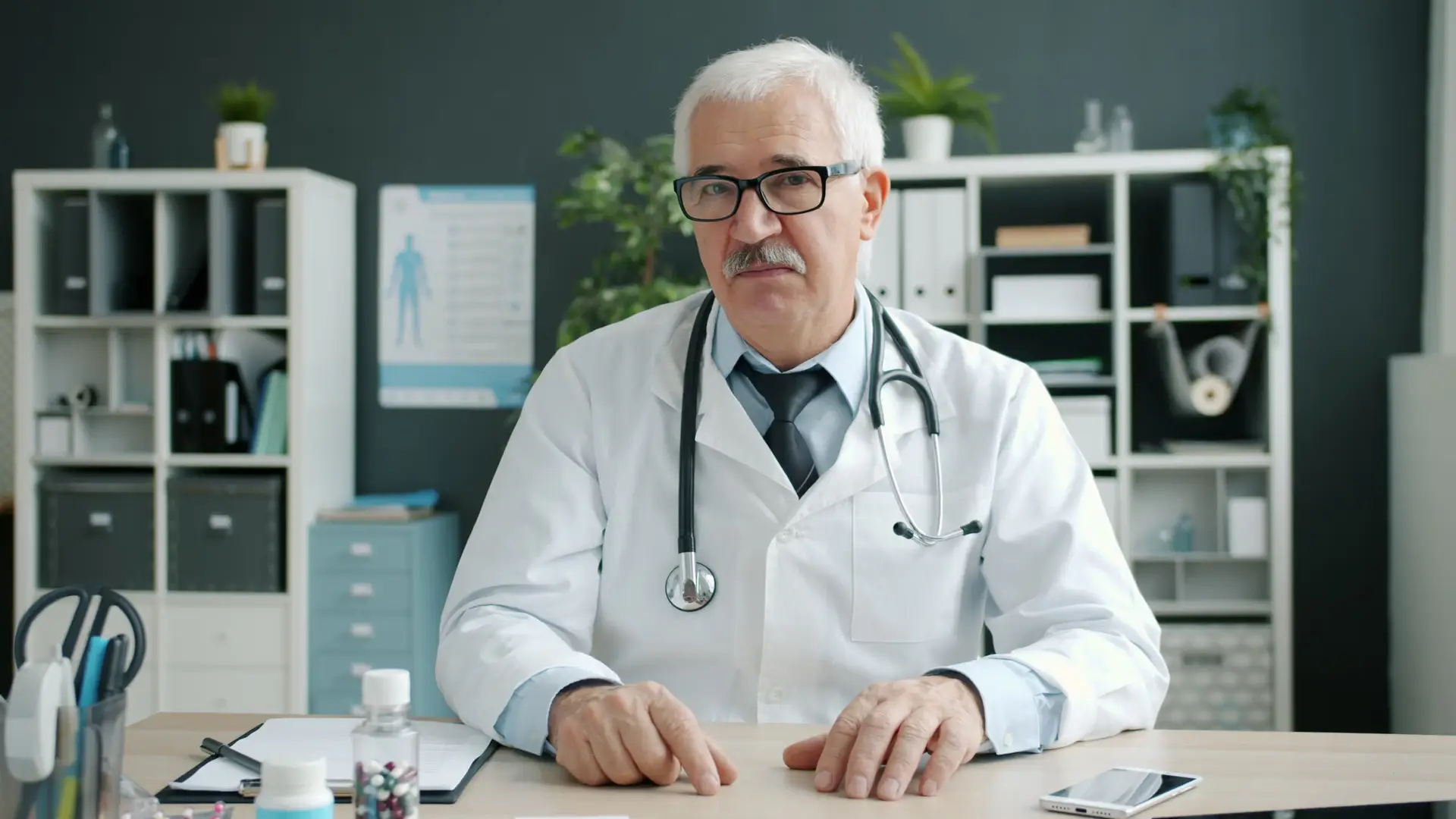
That sounds tidy on paper, which is usually where such things stop. Medical associations have reacted with predictable fury. The KBV, which represents statutory health insurance physicians, said the idea bordered on madness because it would send thousands of people to doctors’ surgeries merely to complete forms. Its point was blunt: anyone with a cough or a gastrointestinal infection belongs in bed, not in an overcrowded waiting room. The Association of General Practitioners warned that cases which would otherwise mean one or two days of rest would now flood clinics with unnecessary visits.
The coalition is already showing the familiar signs of a government trying to look firm while disagreeing with itself. Lars Klingbeil, the SPD leader and vice-chancellor, spoke of workable solutions and said sensible arrangements still had to be found after the coalition committee’s proposal. Bärbel Bas, the labour minister, went further and said the first-day certificate was not her idea. She said her ministry would look into whether the measure would achieve anything at all or simply create more difficulties. That is an unusually honest question in politics, which may explain why it is asked so rarely.
The CDU, naturally, is defending the plan. Jens Spahn says Germany has one of the highest sick-leave rates in the EU, with around 18 sick days per employee each year, and argues that genuinely ill workers should of course stay at home. Few would quarrel with the second half of that sentence. The quarrel is over whether more doctor visits are a serious labour-market reform or just another administrative reflex from a political class that mistakes paperwork for policy.
If the aim is to revive Germany’s economy, the government may eventually discover that making sick people queue for certificates is not the same thing as improving productivity. It is, however, very much in keeping with a system that prefers regulating symptoms to treating causes. And if that sounds familiar, it is because Germany has spent years proving that a country can be highly organised and still be badly governed.
Written by Thomas Nussbaumer thomas.nussbaumer@alpineweekly.com