Oct 18, 2:00 PM
Gaza’s Cold Arithmetic of the Dead
A mass funeral in Gaza City exposes the agonizingly slow work of recovering thousands still buried beneath the ruins.
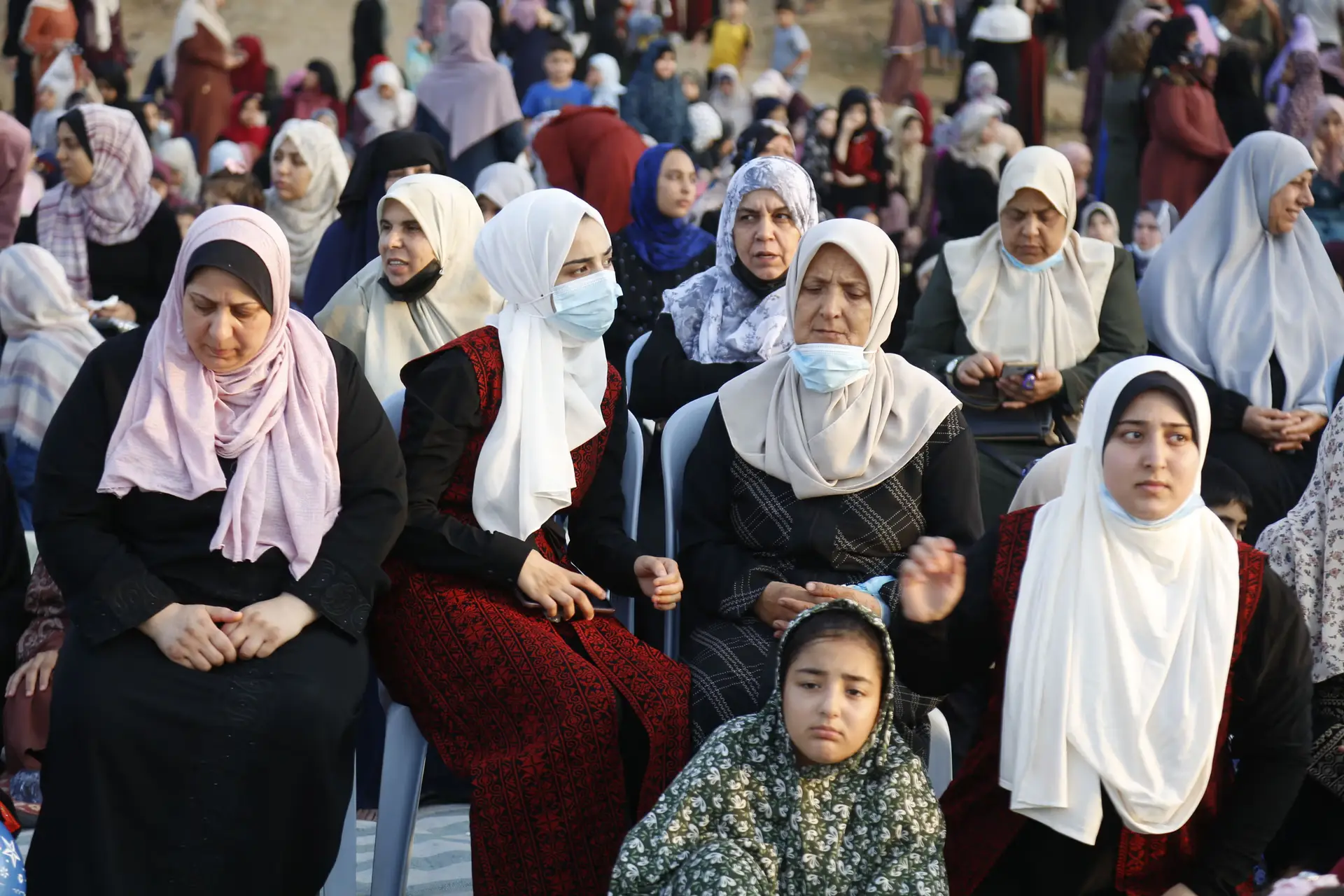
The grim ritual of clearing destruction has a way of turning statistics into stark realities. On Sunday morning, hundreds gathered at the Sheikh Radwan Cemetery in Gaza City to bury the remains of 75 people recently pulled from the ruins of the Daraj neighbourhood. Most were women and children who had been inside their homes when the bombs fell in the opening months of the conflict.
The recovery process itself illustrates the total paralysis of basic infrastructure. According to Gaza's Civil Defence, the fragments of these 75 individuals—belonging to roughly 20 families—were gathered over several weeks from bombed residential structures. Rescue workers continue to operate with little more than rudimentary tools, stripped of heavy machinery and basic equipment needed to shift mountain-sized heaps of shattered concrete.
This funeral marks merely a fraction of the dead still unaccounted for beneath the landscape. Civil Defence officials estimate that approximately 8,000 people remain entombed under ruined structures across the territory. Their emergency teams launched a second phase of recovery operations in July, following an initial push in November 2025 that retrieved hundreds of bodies and partial remains. Yet with the United Nations Relief and Works Agency recording around 200,000 damaged or destroyed buildings, the physical footprint of destruction far outpaces any operational capacity to address it.
Three years into the war, local health authorities report a cumulative death toll surpassing 74,000. Public ceremonies like the one at Sheikh Radwan offer a rare moment of formal closure for grieving communities, yet they also underline a cold logistical reality. When hundreds of thousands of structures are reduced to dust, the line between emergency response and long-term archaeological excavation disappears entirely.
Written by Christiane Hofreiter christiane.hofreiter@alpineweekly.com