Oct 27, 5:01 AM
Flight Risk in Brasília: Flávio Bolsonaro Trapped by His Own Legal Storm
Stripped of his passports hours after election defeat, the Brazilian senator faces a swift judicial reckoning as his parliamentary immunity draws to a close.
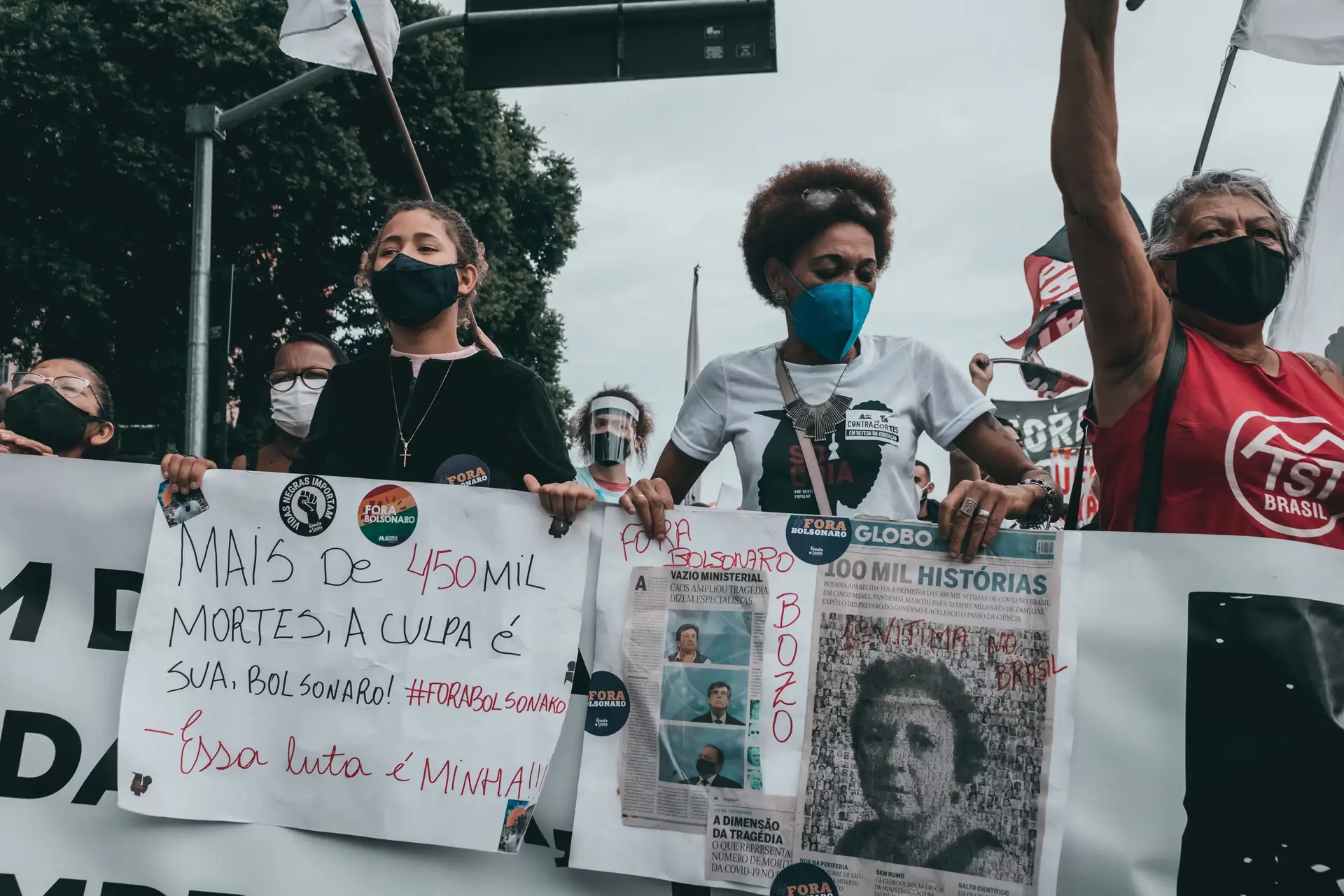
Defeat at the polls is bitter enough, but for Flávio Bolsonaro, Sunday’s loss to Luiz Inácio Lula da Silva was immediately followed by a harsh reality check. Before the public had even fully digested the election results, Supreme Court Justice Alexandre de Moraes took swift action, barring the far-right senator from leaving the country. Within twenty-four hours, all of his passports—including the diplomatic document attached to his legislative seat—must be surrendered to the authorities.
The senator himself broke the news on social media, complaining that federal police agents met him right outside his father's residence. His father, former president Jair Bolsonaro, is currently under house arrest in Brasília following his own judicial troubles after being tried for attempting a coup. Justice de Moraes based the immediate travel restrictions on an active criminal investigation into money laundering. Specifically, the court ordered Flávio Bolsonaro to sever all contact with his associate Willer Tomaz, a lawyer connected to betting firms suspected of laundering roughly 680 million pounds.
The judiciary’s decisive move was ostensibly provoked by public comments from the senator’s brother, Eduardo Bolsonaro. Living in self-imposed exile in the United States, Eduardo had explicitly advised his brother on a podcast to flee Brazil if he lost the election. Though Flávio quickly attempted damage control by denying any intention to leave, the courts declined to take his word for it. The timing is critical: when his Senate term finishes early next year, he will be out of public office for the first time in twenty-four years, losing the parliamentary jurisdiction that has long buffered him from the criminal justice system.
The betting scheme is not the only shadow looming over his departure from power. Investigators are also examining audio recordings in which the senator solicited 20 million pounds from a disgraced banker accused of corruption to finance a biographical film about his father. Facing these converging threats, his political party struck a carefully calibrated tone, declaring in an official statement: We recognise the presidential result proclaimed by the electoral court, but believe that the questions raised need to be properly clarified through a balanced and democratic political debate.
Yet Flávio Bolsonaro himself has refused to formally concede to Lula, maintaining a family tradition of resisting electoral reality. Plans to seek a complete annulment based on a brief extension of polling hours were quietly abandoned after legal advisors pointed out the flimsiness of the argument. Instead, his team plans to file a petition to disqualify Lula’s ticket for alleged economic abuses—a familiar legal maneuver that looks less like a viable challenge and more like a desperate attempt to buy time.
Written by Martina Kirchner martina.kirchner@alpineweekly.com