août 5, 10:04 PM
Acheter le moral : le pari coûteux du Nigeria sur les augmentations de salaire militaire
Le président Bola Tinubu augmente drastiquement les salaires des soldats subalternes avant les élections de 2027, mais une masse salariale gonflée ne peut se substituer à l'équipement de base.
Par Andreas Hofer
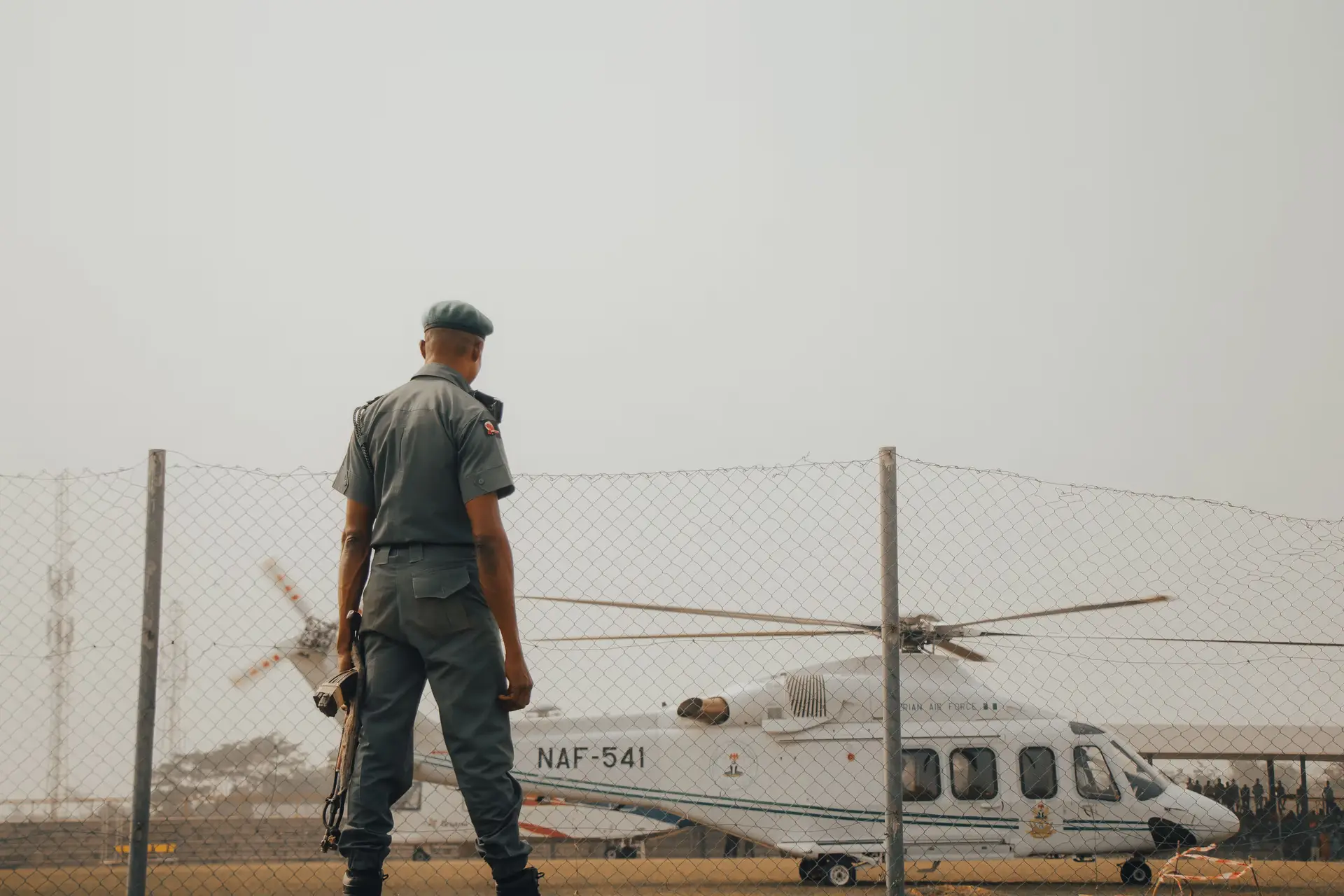
L'appareil de sécurité du Nigeria fuit de multiples trous, et le président Bola Tinubu a apparemment décidé que le scellant le plus efficace était l'argent. Dans un geste fiscal d'envergure visant les échelons les plus bas de la hiérarchie militaire, l'administration a autorisé une augmentation de salaire de 80 % pour les soldats subalternes. Pour un soldat en service dans l'un des environnements de sécurité les plus volatiles du monde, la rémunération mensuelle passera à 132 dollars en septembre. Cela fait suite à une augmentation précédente, il y a quelques semaines seulement, qui avait doublé leur salaire de base, passant de 36 à 73 dollars.
Jeter de l'argent à une force démoralisée est une manœuvre politique classique, surtout avec les élections de 2027 qui se profilent lentement à l'horizon. L'État nigérian est actuellement engagé dans une guerre sur plusieurs fronts contre ses propres fractures internes. Des insurgés islamistes comme Boko Haram et l'État islamique Province d'Afrique de l'Ouest dominent le nord-est. Des syndicats d'enlèvements lourdement armés opèrent en toute impunité dans les régions du nord-ouest et du centre-nord, tandis que l'agitation séparatiste et les conflits fonciers meurtriers entre agriculteurs et éleveurs déstabilisent le sud.
Pour combattre cet effondrement structurel, Tinubu étend le monopole de l'État sur la violence, ordonnant le recrutement de 28 000 soldats supplémentaires et restructurant l'armée en 12 divisions en en ajoutant quatre nouvelles. Les augmentations de salaire sont échelonnées pour favoriser les troupes sur le terrain : les soldats du rang jusqu'aux sergents d'état-major reçoivent une augmentation de 80 %, les adjudants-chefs jusqu'aux colonels obtiennent 50 %, et les généraux voient une augmentation de 30 %. Par conséquent, la masse salariale annuelle de l'armée passera de 484 millions de dollars à 678 millions de dollars.
La communication officielle de la présidence présente cette générosité soudaine comme une profonde reconnaissance des sacrifices des troupes. Tinubu a publié une déclaration formelle exhortant les militaires à considérer ce geste financier comme un signe de la profonde appréciation de l'État, exprimant sa confiance que l'armée l'emporterait sur les ennemis désireux de détruire la nation.
Pourtant, une masse salariale gonflée ne se traduit pas automatiquement par une force de combat plus létale ou plus efficace. Le major-général à la retraite Bashir Galma a publiquement remis en question la viabilité à long terme de cette dépense récurrente, soulignant que les futures administrations hériteraient d'un fardeau financier massif. Plus crucial encore, un soldat bien rémunéré est d'une utilité opérationnelle limitée s'il manque des nécessités de base. Galma a noté qu'au-delà des salaires, les troupes ont désespérément besoin de fusils modernes, d'uniformes adéquats et de bottes pour affronter efficacement la myriade de crises de sécurité.
Il y a aussi la question de la confiance institutionnelle. Le personnel en service retiendrait sa gratitude jusqu'à ce que les fonds promis se matérialisent réellement sur leurs comptes bancaires. La sécurisation d'une nation de plus de 200 millions d'habitants ne peut pas non plus reposer uniquement sur l'armée. D'autres agences de sécurité restent manifestement absentes de cette manne, malgré le fait que le contre-terrorisme exige une coopération inter-agences transparente.
Tinubu a promis que ses réformes couvriraient à terme la modernisation des armes et des technologies, visant un meilleur partage du renseignement et des temps de réponse plus rapides dans les divisions nouvellement établies. Il est très discutable de savoir si le Trésor nigérian peut supporter à la fois une masse salariale considérablement gonflée et les dépenses en capital nécessaires pour réellement équiper ces soldats. Pour l'instant, le gouvernement parie qu'un modeste afflux de dollars achètera suffisamment de loyauté et de moral pour maintenir les adversaires de l'État à distance jusqu'au prochain scrutin.
Écrit par Andreas Hofer andreas.hofer@alpineweekly.com