Aug 24, 10:03 AM
The Geopolitical Tax: How Middle East Tensions Drain the Global Consumer
Petrol prices have surged across 145 nations, exposing the inescapable reality of global dependence on fossil fuels.
Crude oil remains the invisible scaffolding of modern consumerism. Long before it is burned in a combustion engine, it provides the raw material for synthetic fabrics like nylon and polyester, medical syringes, and the vast array of plastics that package global commerce. Even basic household items, from laundry detergents and paints to cosmetics, depend entirely on petroleum derivatives. Consequently, when the geopolitical order fractures, the resulting price shock reverberates through every layer of the economy, exacting a toll far beyond the fuel pump.
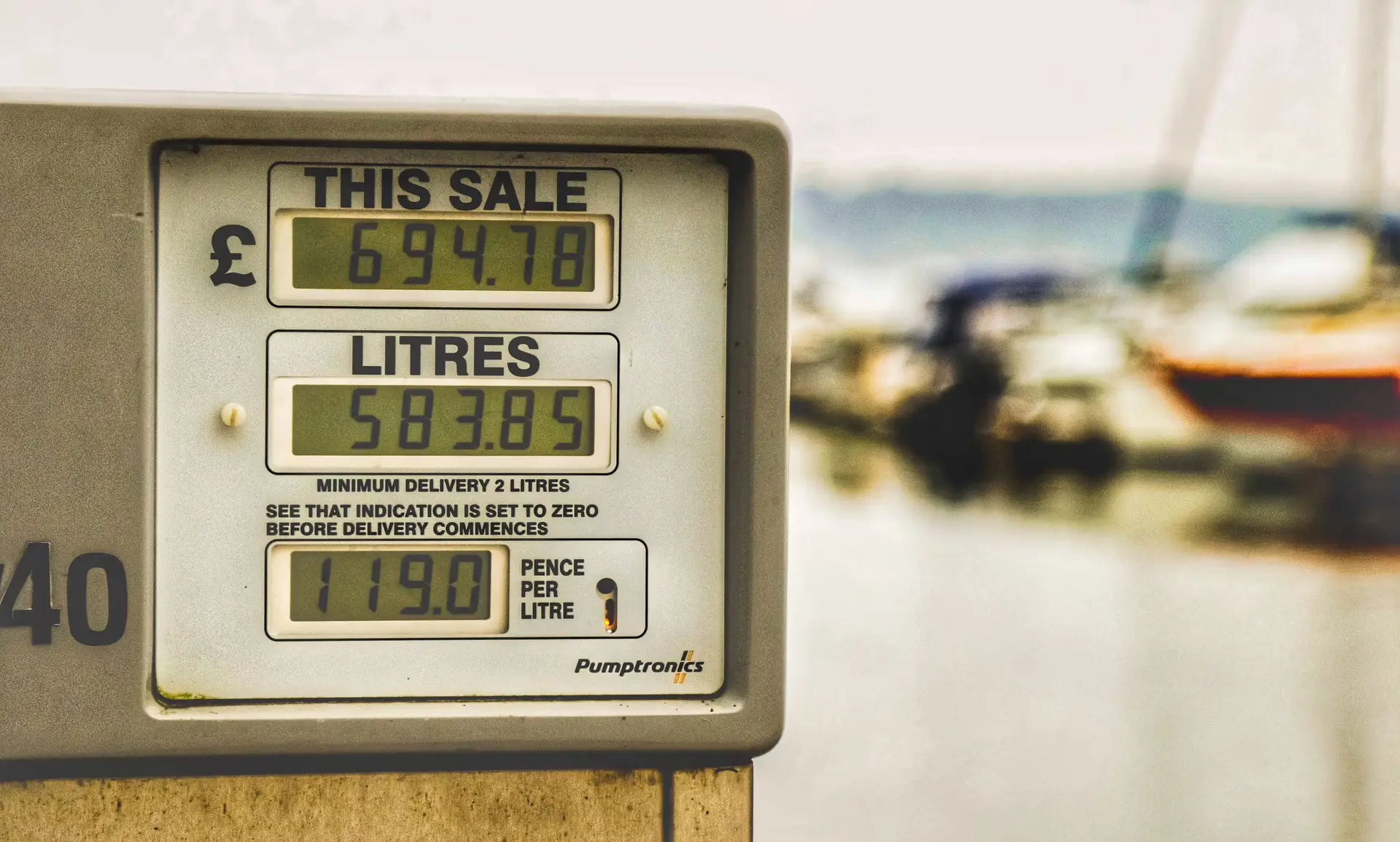
The ongoing conflict involving Iran, Israel, and the United States offers a stark demonstration of this vulnerability. Six months into the hostilities, the economic fallout has materialized as a swift and punishing global tax. According to data from GlobalPetrolPrices, pump prices have surged in no fewer than 145 countries since late February. The regional variations are striking.
Consumers in Myanmar have absorbed a staggering 56 percent increase, with the price of 95-octane fuel jumping from $0.77 to $1.20 per litre. Bhutan, Cuba, the United Arab Emirates, and Nigeria have recorded similar shocks, with price hikes ranging from 48 to 55 percent. Only a cluster of 25 heavily subsidized oil producers have managed to artificially suppress these market realities.
In the United States, the financial drain is easily quantified. Figures compiled by the American Automobile Association reveal that the national average for a gallon of regular petrol has climbed from $2.94 prior to the conflict to a current $4.09. This 39 percent surge has fundamentally altered the calculus of American mobility. A fifty-dollar budget that once afforded 446 miles of travel in a standard family sedan now covers merely 333 miles. This 25 percent reduction in purchasing power acts as a direct levy on the working public, quietly eroding disposable income.
Yet, higher transport costs are merely the first tremor in a broader economic earthquake. Agricultural production relies heavily on natural gas for fertilizers, while the logistics network required to move food from field to supermarket shelf is entirely dependent on diesel and petrol. As economist David McWilliams pointed out to Al Jazeera, transportation functions as the energy of the global economy, making logistics a central vector for inflation. For lower-income nations, which already allocate a disproportionate share of their wealth to importing grain and fertilizer, this energy shock threatens to trigger severe food shortages. Ultimately, the cost of geopolitical instability is paid not just in diplomatic capital, but in the price of every plastic bottle, every synthetic garment, and every loaf of bread.
Written by Thorben Thiede thorben.thiede@alpineweekly.com