Jun 4, 6:02 PM
A Solution in Search of a Problem
Parliament has wisely rejected a redundant tax initiative, but Swiss voters will still have the final, and potentially chaotic, say.
One might be forgiven for thinking the debate over the ‘marriage penalty’ in Switzerland's tax code had been settled. After all, the populace voted with a clear majority of over 54 percent this past March to introduce individual taxation, a straightforward and modern solution. Yet, the political process has a peculiar talent for complicating the simple. The Parliament is now forced to contend with a second, competing proposal, and has justifiably advised the public to reject it.
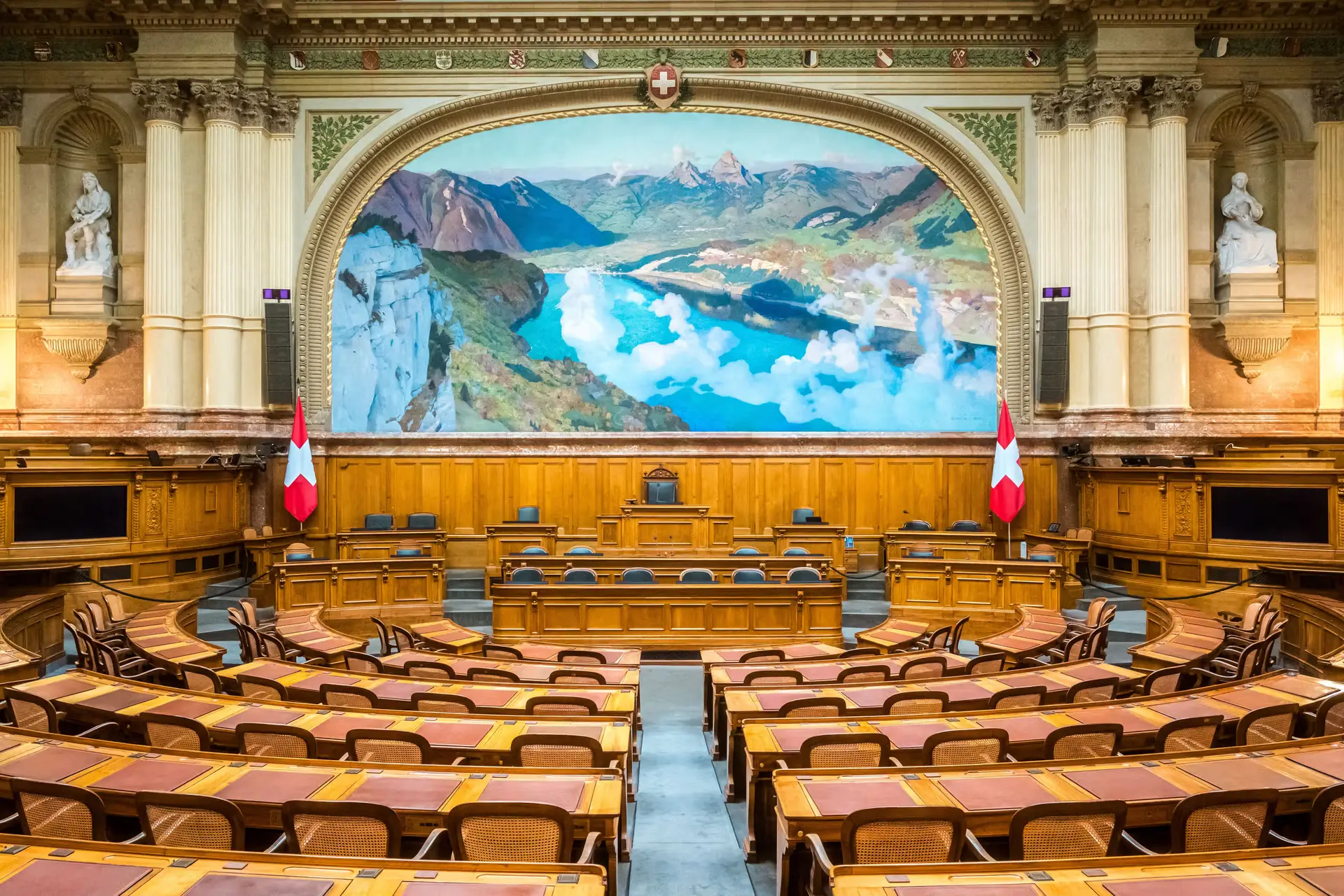
The Council of States, in a tight 24-to-21 vote, has followed the National Council in recommending a ‘No’ to the Centre party's so-called Fairness Initiative. The vote saw the predictable alignment of the FDP, Social Democrats, and both Green parties against the Centre and the Swiss People's Party. This is the same coalition that pushed through the law on individual taxation, demonstrating a consistent parliamentary will to move towards a system where each person is taxed on their own income, regardless of marital status.
But consistency is not a virtue universally shared. The Centre party insists that voters must also have their say on its alternative model, which would retain joint assessment for married couples while using complex calculations to eliminate any penalty. This persistence seems to ignore the decisive public mandate already delivered. Some proponents of the initiative have even engaged in the questionable exercise of reinterpreting the March vote, suggesting voters only said ‘Yes’ to individual taxation because it was the only option for change on the table. This is a rather imaginative reading of a clear democratic outcome.
The real issue lies in the consequences of a potential ‘Yes’ vote for this second initiative. The Federal Chancellery has clarified the messy reality that would unfold. The law on individual taxation, already passed, would still come into force by 2032 at the latest. Simultaneously, the federal government would be constitutionally obligated to implement the Centre's joint-taxation model for federal taxes. The result? A bizarre hybrid system where married couples are taxed jointly at the federal level but individually at the cantonal and municipal levels.
Officials have warned of the immense difficulties, new inequities, and high costs such a contradictory system would entail. Finance Minister Karin Keller-Sutter has aptly cautioned against creating a political 'perpetuum mobile'. It would effectively require Parliament to either repeal or fundamentally alter a law the public has already approved, just to resolve the contradictions created by a subsequent vote. For now, analysis of the previous referendum suggests that the core arguments for equality and simplicity that carried the day in March will prevail again. One can only hope that voters, having already provided a clear answer, do not succumb to the temptation of a solution that promises fairness but delivers only chaos.
Written by Martina Kirchner martina.kirchner@alpineweekly.com