Aug 24, 4:02 PM
A Month Too Late: Sánchez Awakens to Ceuta’s Border Collapse
While Madrid scrambles to address a migration crisis of its own making, Brussels opts to lecture the rest of Europe on solidarity.
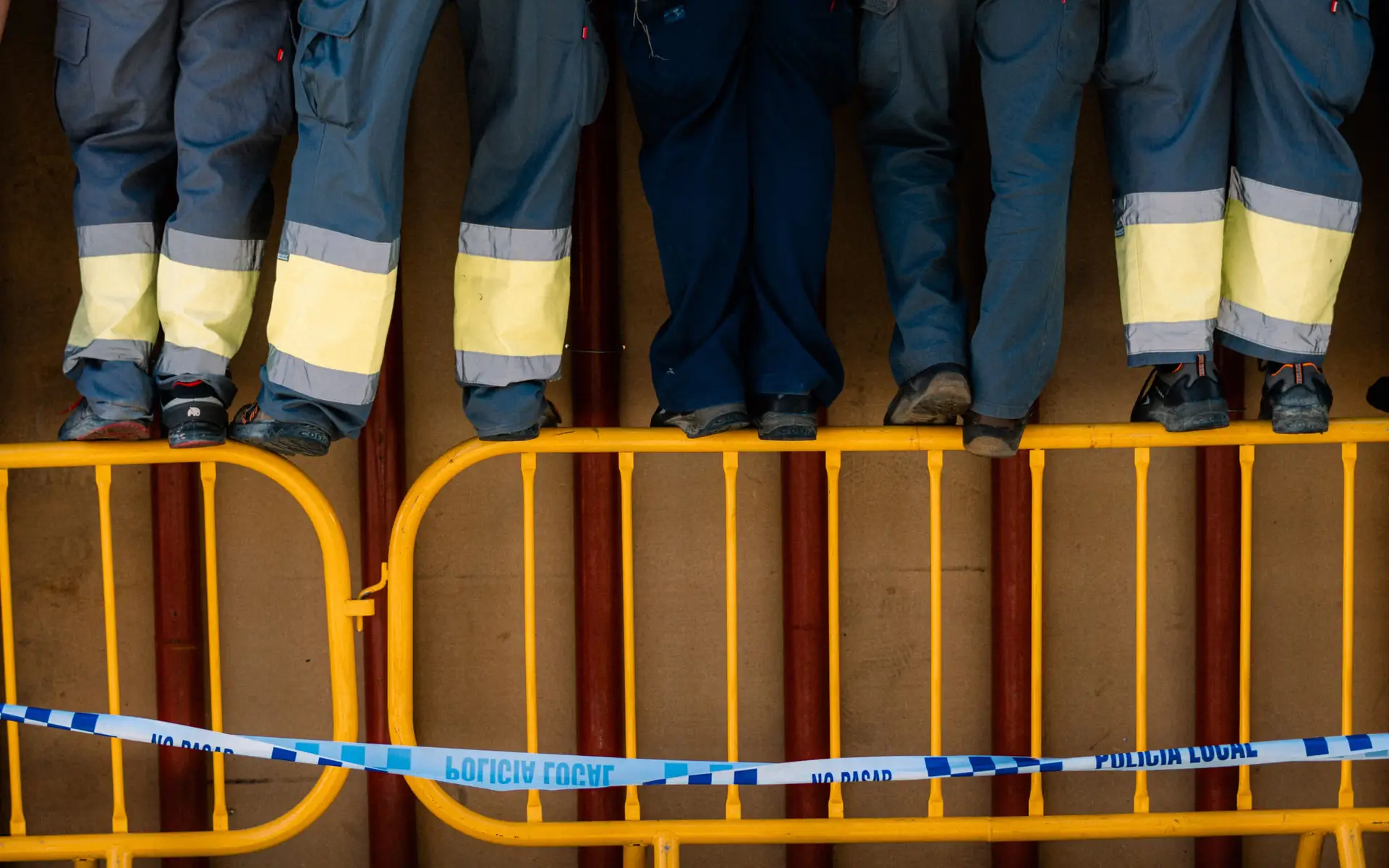
Twenty-five days after the border fences of Ceuta were overrun, Prime Minister Pedro Sánchez has finally decided the situation warrants an emergency National Security Council meeting. Convening at Madrid's Moncloa Palace before the first post-summer cabinet session, the socialist premier faces an enclave buckling under mass migration from Morocco. On July 30 and 31, a massive wave of humanity crossed the Tarajal border. Figures remain a point of bureaucratic contention. While Spain's Interior Ministry initially claimed roughly 72,000 arrivals—asserting 70,000 had already been sent back—Miguel Ángel Pérez Triano, the government’s representative in Ceuta, admitted the true number exceeded 80,000.
Local infrastructure is failing to cope. Pérez Triano, after consulting the National Police's Immigration and Borders Brigade, conceded Ceuta is nowhere near returning to normal. Despite opening new facilities, there is no room to accommodate the influx. He dismissed demands for his resignation, declaring that abandoning his post would be an absolute act of irresponsibility and cowardice. The strain on resources is acute; the Public Health Commission will dispatch up to 25,000 vaccine doses to the territory, according to El País. The opposition People’s Party demands an escalation in processing efforts. Spokesperson Borja Sémper called for immigration officials to operate in three daily shifts. As many civil servants as necessary must be mobilised for as long as necessary. They must all be returned, and as soon as possible, he insisted.
Rather than addressing Spain’s structural weaknesses, the EU apparatus has opted to lecture member states. Josep Borrell, the EU foreign policy chief, branded the continental reaction as hysterical, disproportionate and absurd. Demonstrating the Brussels reflex of demanding solidarity while ignoring accountability, Borrell chastised 22 EU nations for criticising Madrid. These countries correctly identified Spain’s regularisation of undocumented migrants as a pull factor. Borrell dismissed this, complaining member states had succumbed to panic, exempting only France, Portugal, Luxembourg, and Ireland. European solidarity has disappeared. The laws must be applied, he proclaimed.
Borrell conceded Europe needs stronger external borders, but spent his intervention defending Spain’s handling of minors and asylum seekers in Ceuta. The Spanish government is right to emphasise that minors have rights: the laws must be applied, he reiterated, urging Madrid to adopt a firmer posture in Brussels. A financially stretched member state allows a crisis to fester for nearly a month, while the EU works overtime to shield it from legitimate criticism.
Written by Christiane Hofreiter christiane.hofreiter@alpineweekly.com