
Aug 8, 8:01 PM
A Flight to the Gallows: Sheikh Hasina's Audacious December Gamble
The exiled former prime minister plans a dramatic return to Bangladesh, daring a new government to execute her amidst a struggling economy.
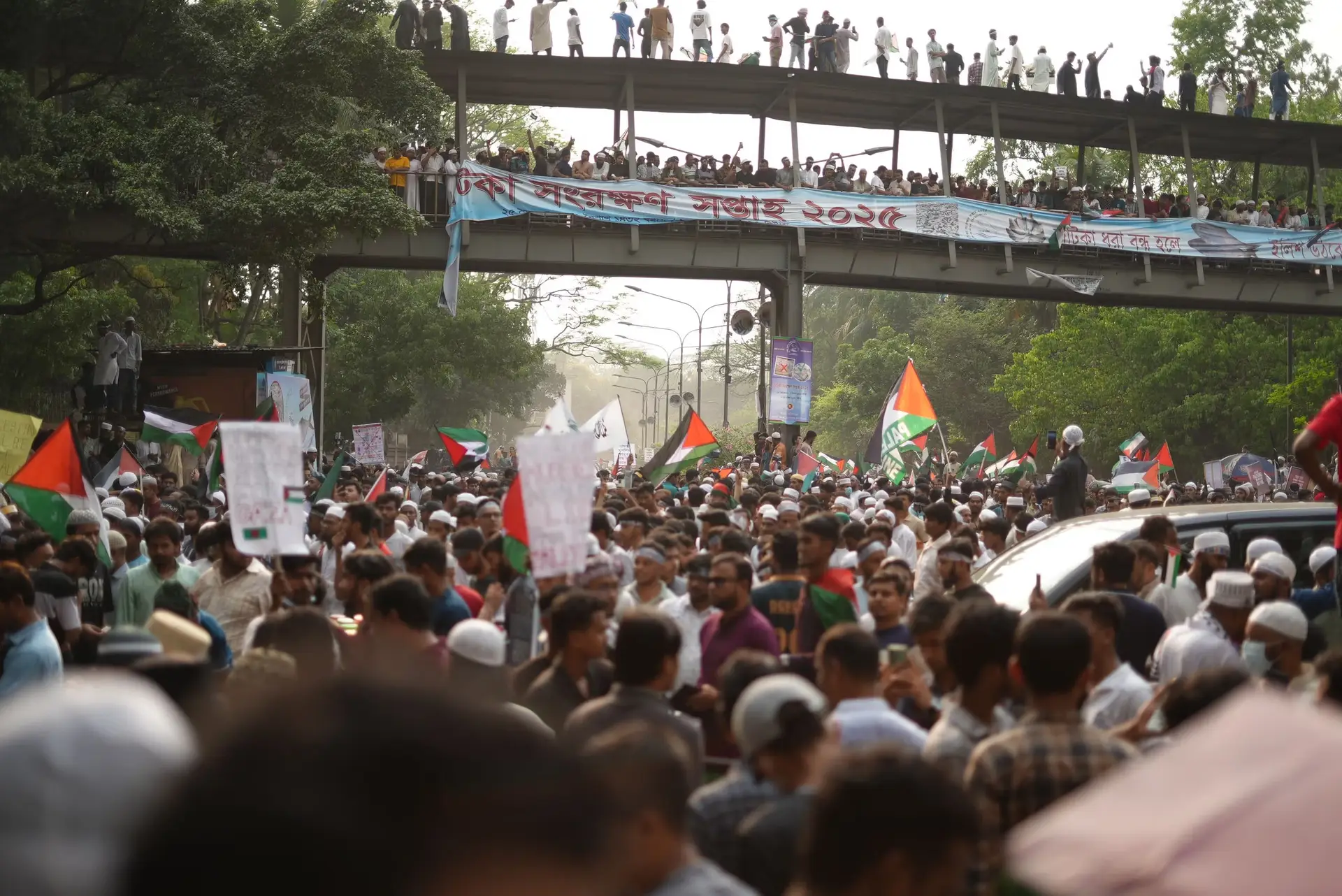
South Asian politics rarely lacks a flair for the dramatic, but Sheikh Hasina’s latest maneuver tests the limits of political audacity. Two years after being chased out of Dhaka by a student-led uprising, the 78-year-old ousted prime minister has announced her intention to return to Bangladesh this December. The timing is heavily orchestrated, designed to coincide with the nation’s traditional month of victory, which commemorates the 1971 defeat of Pakistani forces. Yet the reception awaiting the former leader of the Awami League will be anything but victorious.
Hasina currently faces a death sentence, handed down in absentia last November by Bangladesh’s international crimes tribunal. The charges stem from the brutal suppression of the very protests that ended her fifteen-year tenure, a period characterised by increasingly authoritarian governance. While the United Nations estimates the death toll from those demonstrations at nearly 1,400, Hasina’s loyalists insist the figure is closer to 800. Regardless of the exact body count, the current administration has made it clear that she will face immediate arrest the moment she crosses the border.
From her secure exile in India, Hasina dismisses the tribunal's verdict as a purely political exercise. Speaking through an audio link to the Foreign Correspondents’ Club of South Asia in Delhi, she projected defiance, framing her return as an inevitable duty to her people regardless of the physical risks. Her son, Sajeeb Wazed Joy, used the same venue to highlight the comfortable nature of her exile, noting that Narendra Modi’s government affords her the security and services typically reserved for a head of state.
This hospitality places New Delhi in an acutely uncomfortable diplomatic position. India is attempting to repair bilateral relations with the new government in Dhaka while simultaneously resisting demands to extradite one of its most reliable historical allies. Unsurprisingly, the Indian government quickly distanced itself from Hasina's press conference, issuing an official statement to clarify that it played no role in organising the event and did not endorse her political views.
Back in Bangladesh, the political landscape remains highly volatile. The Bangladesh Nationalist Party, led by Tarique Rahman following the 2025 death of Hasina’s long-time rival Khaleda Zia, swept to power earlier this year in an election that explicitly barred the Awami League from participating. The new government has enforced a domestic media blackout on Hasina’s statements. In response, the exiled leader demands the rehabilitation of her party, the release of political prisoners, and the dismissal of cases against her activists.
Beyond the personal vendettas that have long defined the so-called Battle of the Begums, Bangladesh faces severe structural challenges. Hasina accuses the current leadership of eroding the country's secular foundations and steering the economy into ruin. Conversely, Rahman’s government points to the alleged corruption and systemic mismanagement of the Awami League era as the root cause of today's rampant inflation and sluggish economic growth. If Hasina does indeed board a flight to Dhaka this winter, she will not be returning to rescue a thriving democracy, but rather to plunge a fragile economy back into a familiar cycle of retributive chaos.
Written by Christiane Hofreiter christiane.hofreiter@alpineweekly.com