Jun 16, 10:02 PM
A Delayed Reckoning: Crans-Montana’s Mayor Apologizes but Refuses to Resign
Following the 'Le Constellation' fire, local officials pivot to bureaucratic damage control.
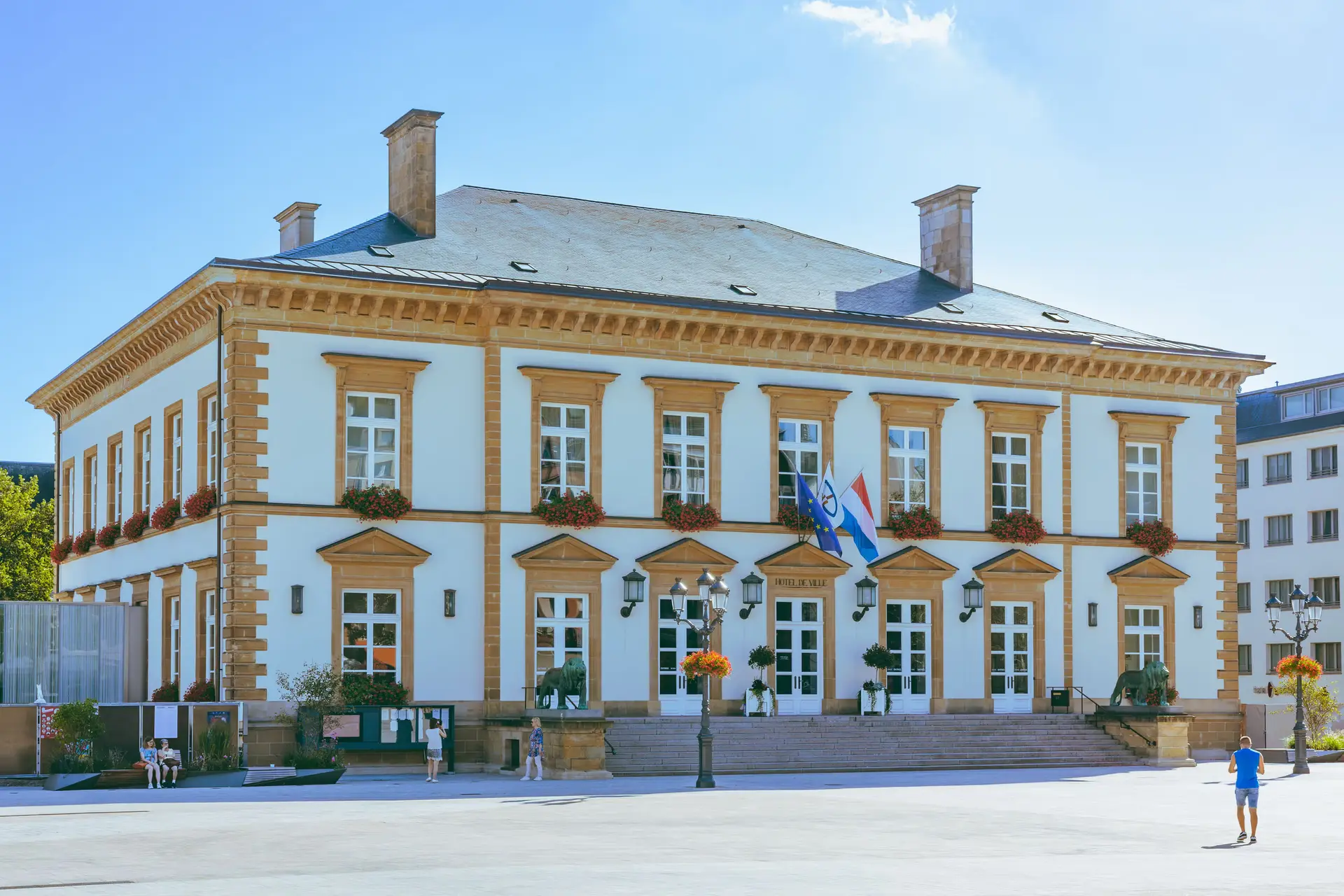
In the affluent Alpine enclave of Crans-Montana, local politics usually hums along with the quiet efficiency expected of a wealthy Swiss municipality. Yet the ashes of the 'Le Constellation' bar fire have cast a long shadow over this well-heeled community. For months, the local government retreated into a characteristic defensive silence. Now, the municipal assembly has finally provided a stage for a reckoning, however delayed.
Direct democracy in Switzerland is often celebrated as the gold standard of civic engagement, even if the reality frequently looks like a sparsely populated meeting hall. Out of nearly 10,500 inhabitants, exactly 378 citizens bothered to attend the first assembly since the tragedy. They came to hear Mayor Nicolas Féraud, who had conspicuously avoided public comment since a rather uncomfortable press conference in January. His strategy of vanishing from the public eye ended here, replaced by the somber theater of political contrition.
Before the requisite minute of silence, Féraud delivered the inevitable institutional mea culpa. As the head of the local executive, he offered an official statement to the gathered crowd. On behalf of the municipal council, I apologize to the families, the victims and their relatives for the pain and sorrow they are going through. It is a perfectly calibrated sentence, acknowledging suffering without explicitly assuming legal or administrative liability.
Following the apology, the administration quickly pivoted to the comfortable terrain of bureaucratic procedure. Patrick Clivaz, the council member tasked with security, announced a sweeping campaign of safety audits. Fifty-six inspections of public facilities have already been completed, with the remainder scheduled to conclude before the year is out. There is a certain irony in witnessing the sudden, rigorous application of safety standards only after a catastrophe has exposed the flaws in the system. The local state apparatus functions beautifully, provided the disaster has already occurred.
The attendees, however, were not entirely placated by promises of future clipboard exercises. During the question-and-answer session, the facade of polite consensus cracked. One resident openly questioned whether the electorate ought to have a direct say in the continued tenure of specific council members. Another dispensed with procedural hypotheticals entirely and demanded Féraud step down. The mayor promptly rejected the call for his resignation. In a wealthy municipality where political survival often relies on waiting out the outrage, stepping aside voluntarily is rarely part of the script. The administration will simply endure the criticism, confident that the comfortable status quo will soon resume.
Written by Sandy van Dongen sandy.vandongen@alpineweekly.com