Feb 9, 1:24 PM
Trump’s Attack on U.S. Skier Sparks Political Storm at Winter Olympics
President Donald Trump’s public criticism of Olympic athlete Hunter Hess highlights growing tension between U.S. politics and the world’s biggest sporting stage in Milan-Cortina.
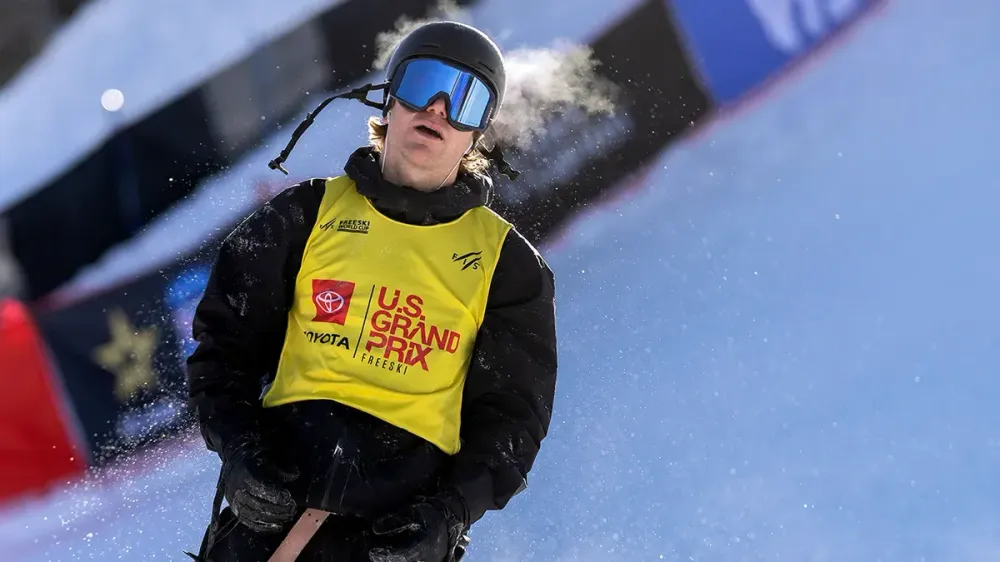
The intersection of politics and sport at the 2026 Winter Olympic Games took a sharp turn this weekend after Donald Trump publicly criticised U.S. freestyle skier Hunter Hess, calling him a “loser” following comments in which the athlete expressed discomfort about representing the United States under the current administration.
The remarks, posted by Trump on his Truth Social platform, came just days after Hess told reporters he felt conflicted competing for the U.S. amid what he described as a turbulent political climate at home. While stressing that he was proud to be an American athlete, Hess said wearing the national uniform did not mean endorsing every government policy. Such statements are rare among Olympians, and it is even more unusual for a sitting U.S. president to single out an athlete during the Games.
Trump’s intervention has amplified scrutiny of how domestic U.S. politics are spilling onto the international Olympic stage. The Games in northern Italy are already unfolding against a backdrop of controversy, with debates over immigration enforcement, civil rights and political rhetoric reverberating far beyond Washington. On Friday, JD Vance was audibly booed by sections of the crowd during the opening ceremony, a moment widely interpreted as a protest against the administration rather than the delegation itself. Despite the reaction, the vice president and his family have continued attending events and meeting American athletes.
Hess, who is scheduled to compete in freestyle skiing events, has faced a wave of online backlash since his comments became public. Supporters of the president criticised him for questioning national representation, while others defended his right to express personal views. The skier has since disabled comments on his social media accounts, citing the intensity of the reaction.
Other U.S. athletes have echoed similar concerns. At the same press conference, freestyle skier Chris Lillis said he was deeply troubled by developments in the United States but emphasised that he still felt a strong emotional bond to his country and would not want to compete for any other nation. His remarks reflected a careful balancing act shared by several members of Team USA: voicing unease without rejecting national identity.
The political tension has not been limited to skiing. Amber Glenn, a Texas-born figure skater who is openly queer, said she received threats after criticising the administration’s stance on LGBTQ rights during an Olympic media appearance. Glenn later said she would reduce her social media presence after what she described as an alarming volume of hostile messages. Despite the backlash, she went on to compete in the team event, where the U.S. secured its first-ever team gold at the Winter Games.
For Olympic historians and sports officials, the episode underscores how difficult it has become to keep global sport insulated from political conflict. While the Olympic Charter promotes neutrality, the visibility of athletes and leaders alike means the Games often reflect broader social and political currents. Trump’s direct attack on a U.S. Olympian has intensified that dynamic, drawing attention away from competition results and toward questions of loyalty, protest and free expression.
As events continue in Milan-Cortina, organisers and athletes alike are likely to face further moments where sport and politics collide. Whether the controversy will have lasting consequences for Team USA or for the broader Olympic movement remains uncertain, but the episode has already ensured that these Games will be remembered for more than medals alone.