Feb 4, 1:45 PM
Spain Plans Tough Social Media Laws, Including Under-16 Ban and Criminal Liability for Executives
Prime Minister Pedro Sánchez says new rules are meant to curb hate and manipulation online, but critics warn of far-reaching consequences for free expression.
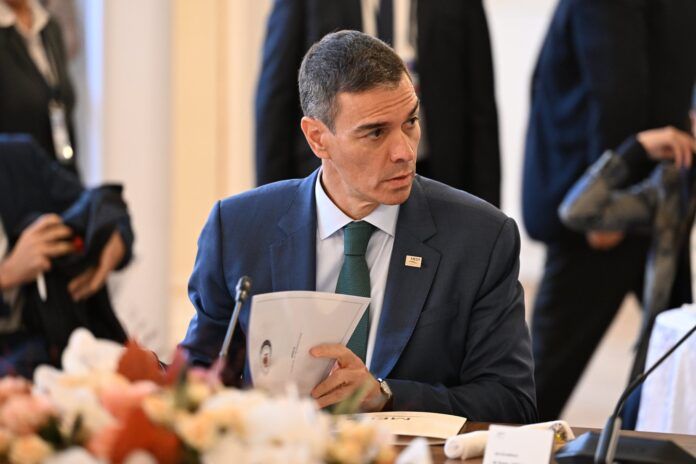
Spain is preparing a sweeping overhaul of how social media platforms operate in the country, including banning children under 16 from using social networks and making senior tech executives personally liable for illegal or hateful content published on their platforms.
Prime Minister Pedro Sánchez announced the planned measures during a speech at the World Government Summit in Dubai, framing them as a response to what he described as growing social harm caused by digital platforms. According to Sánchez, his government intends to introduce five major regulatory changes with both criminal and civil consequences.
Central to the proposal is a shift in legal responsibility. Platform executives could face criminal charges if their companies fail to remove content deemed illegal or hateful. This would mark a significant departure from the prevailing legal approach in most democracies, where social media companies are treated as platforms rather than publishers and are generally not held directly responsible for user-generated content.
The Spanish plan would go beyond existing EU rules under the Digital Services Act, which focuses on fines and compliance obligations once platforms are notified of problematic material. Sánchez did not provide a precise legal definition of “hateful content,” an issue that has already raised concerns among legal observers about enforcement and interpretation.
The government also plans to criminalise what it calls algorithmic amplification of illegal material and to commission studies into how recommendation systems may contribute to social polarisation. In addition, authorities intend to open criminal investigations into alleged offences linked to major platforms, including X, TikTok and Instagram. These investigations were announced as intentions rather than conclusions and have not yet resulted in formal charges.
Another cornerstone of the initiative is a nationwide ban on social media use for children under the age of 16. Sánchez presented the move as a child-protection measure, aligning Spain with a growing number of European countries debating stricter age limits. France recently adopted a narrower ban for under-15s, while Greece is reported to be preparing similar legislation.
During his remarks, Sánchez explicitly criticised Elon Musk, accusing the owner of X of spreading misleading information about Spain’s recent decision to grant legal status to a large number of undocumented migrants. That policy announcement has sparked heated debate online, including exchanges involving Spanish and European politicians. Claims made by various actors during this controversy have not been independently verified.
Sánchez said Spain is not acting alone and claimed that five other European countries are working on comparable legislation, describing them as a “coalition of the digitally willing.” Details on which states are involved and how closely their proposals align with Spain’s plans were not disclosed.
If adopted, the measures would represent one of the most aggressive regulatory frameworks for social media in Europe. While the government argues the changes are necessary to protect public discourse and minors, critics are likely to scrutinise whether the laws strike a workable balance between safety, accountability and freedom of expression.