Feb 6, 8:53 AM
Deadly Attacks Sweep Central and Northern Nigeria as Security Crisis Deepens
Nearly 200 people have been killed in coordinated assaults on villages, prompting military deployments and renewed international concern over Nigeria’s worsening insecurity.
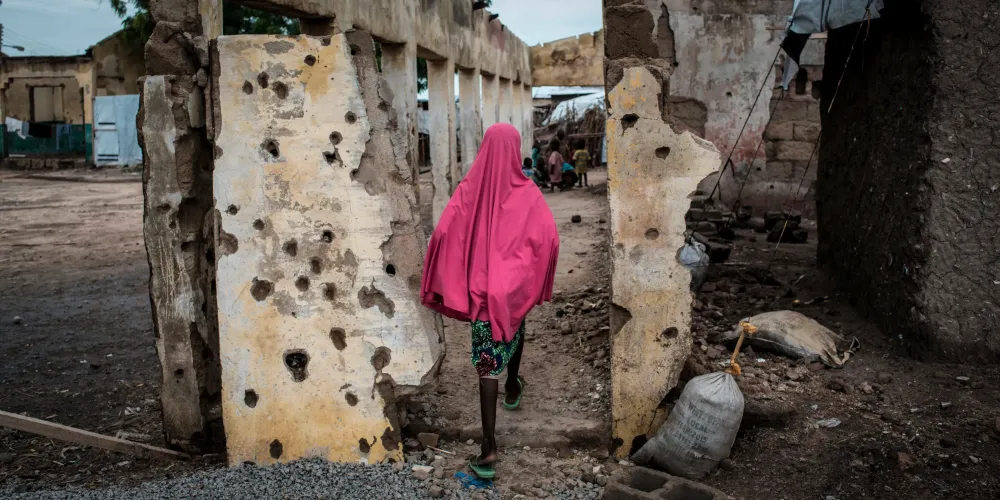
Nigeria is once again confronting the human cost of its long-running security breakdown after a series of violent attacks left at least 191 people dead across central and northern parts of the country, according to local authorities and human rights groups.
The deadliest incidents were reported in the central state of Kwara, where armed attackers struck the villages of Woro and Nuku. Local officials and Amnesty International say more than 170 residents were killed after homes and small businesses were set ablaze. Survivors described scenes of extreme brutality, with victims reportedly restrained, executed at close range, or trapped in burning buildings. Search efforts were still underway days later, raising fears that the death toll could rise further.
In a separate attack hundreds of kilometres to the north, gunmen killed at least 21 people in the village of Doma in Katsina State. Local authorities said the assailants moved from house to house, shooting residents despite the community having previously entered a local peace arrangement with armed groups operating in the area. The collapse of that agreement highlights the fragility of informal security deals in regions where state protection remains limited.
Nigeria’s president, Bola Tinubu, condemned the violence and attributed the attacks to Boko Haram, stating that villagers were targeted after refusing to embrace extremist ideology. This attribution reflects the government’s position; independent verification of the perpetrators’ identities remains limited in remote areas affected by multiple armed actors. Tinubu announced the deployment of an army battalion to Kwara State to lead counter-operations against what he described as terrorist groups.
The violence comes amid sustained pressure on Abuja to demonstrate progress in restoring security. Nigeria has struggled for years with overlapping threats from jihadist insurgents and criminal gangs often referred to locally as bandits. Rural communities, particularly in the north and centre of the country, have borne the brunt of the violence, frequently with little warning and limited access to security forces.
International attention has also intensified. The Nigerian government has faced criticism from abroad, including claims—presented by foreign leaders as allegations rather than established findings—that authorities have failed to prevent mass killings of civilians. This week, the head of US Africa Command confirmed that a small contingent of American military personnel has been deployed to Nigeria to support operations against Islamic State-linked militants. Nigerian officials have described the move as part of a broader security cooperation framework.
The attacks underline the scale of Nigeria’s security challenge: a country with significant military resources, yet vast areas where civilians remain exposed to organised violence. As emergency deployments begin, residents in affected regions are left grappling with loss, displacement and the familiar uncertainty of whether protection will arrive in time to prevent the next attack.